The number of hospitality customers opting for alcohol-free products – either exclusively or alongside alcoholic drinks – continues to grow, according to new research.
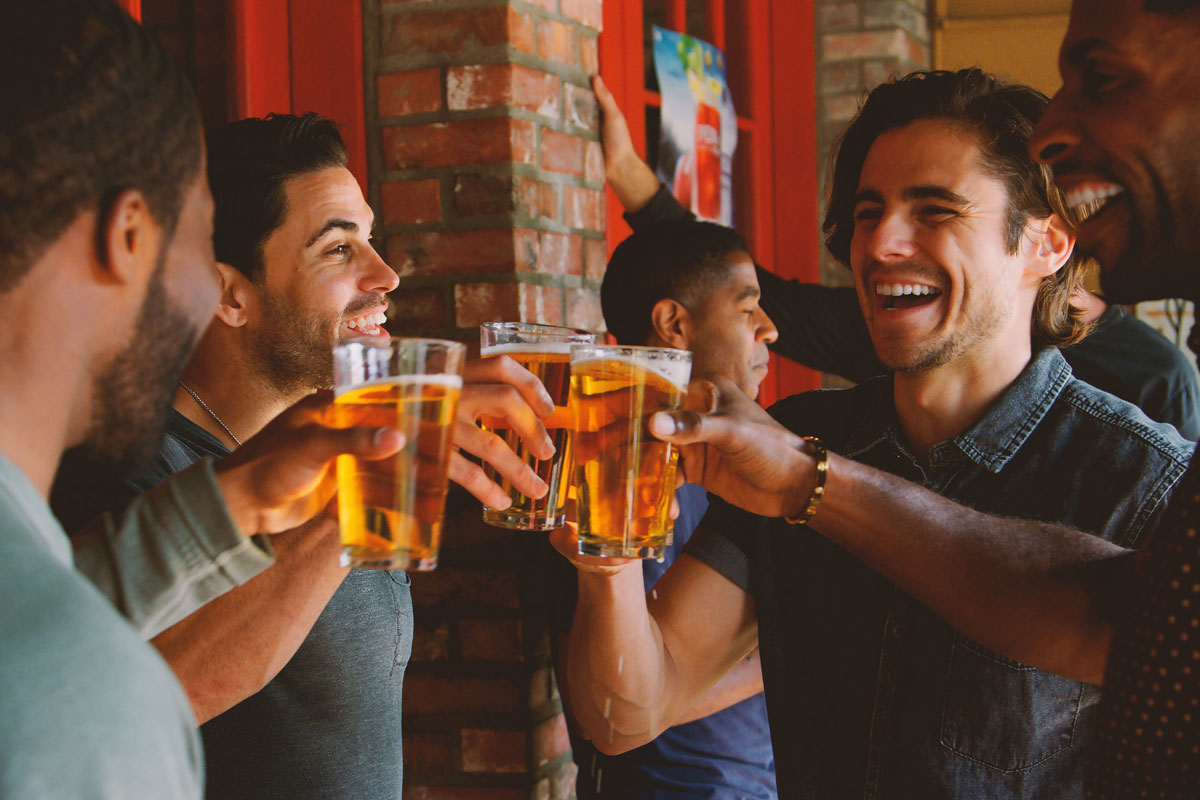
A new study from research consultancy KAM Insight in partnership with alcohol-free brand Lucky Saint found that four in ten British people now secretly order alcohol-free drinks in hospitality venues, without telling their friends, with younger customers more likely to be ‘stealth drinkers’ than older demographics.
In fact, the report claimed that 67% of 25 to 34-year-olds and 59% of 18 to 24 year-olds say they’ve surreptitiously swapped in non-alc drinks on a night out without telling friends.
Just over half of UK adults are said to be consuming low and no-alcohol drinks at least once a month.
Crucially, however, 97% of these people also continue to drink alcohol.
The percentage of people alternating between alcoholic and non-alcoholic drinks (or ‘zebra striping’) on a night out was said to have risen from 34% last year to 45% in 2026. Of these people, 35% said they do it to extend social occasions.
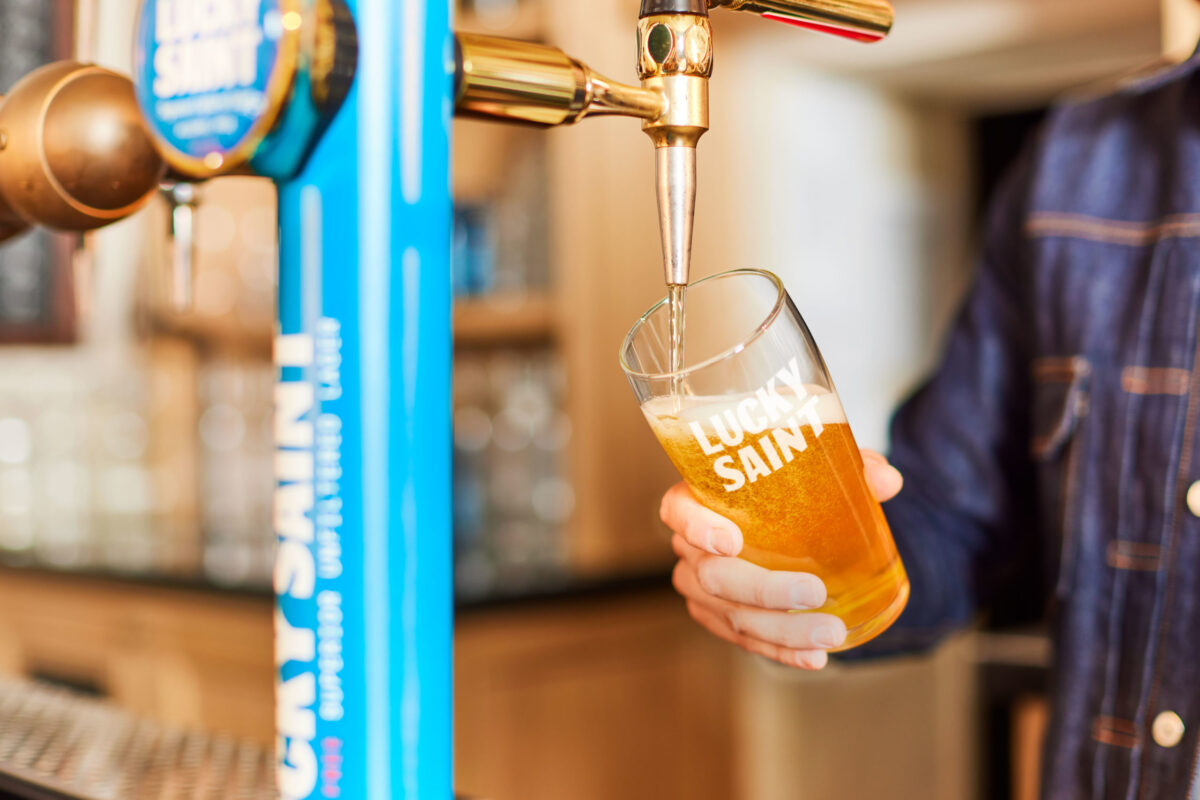
KAM managing director, Katy Moses, said the research showed that ‘the narrative around drinking has become too simplistic’.
“This isn’t a story about Britain giving up alcohol, it’s a story about Britain drinking differently,” she said.
“Consumers are becoming much more deliberate in their drink choices – alcohol is no longer the default.
“The same consumer is increasingly switching between alcoholic, mid-strength, low & no and other non-alcoholic drinks depending on the occasion, their plans for tomorrow and what they want from that moment.
“That has significant implications for both drinks brands and hospitality venues. Success will come from understanding occasions, not categories, and giving consumers the flexibility to choose the right drink for every moment.
“The venues that succeed will be those that make these choices feel just as visible, credible and enjoyable as any other drink on the menu.”
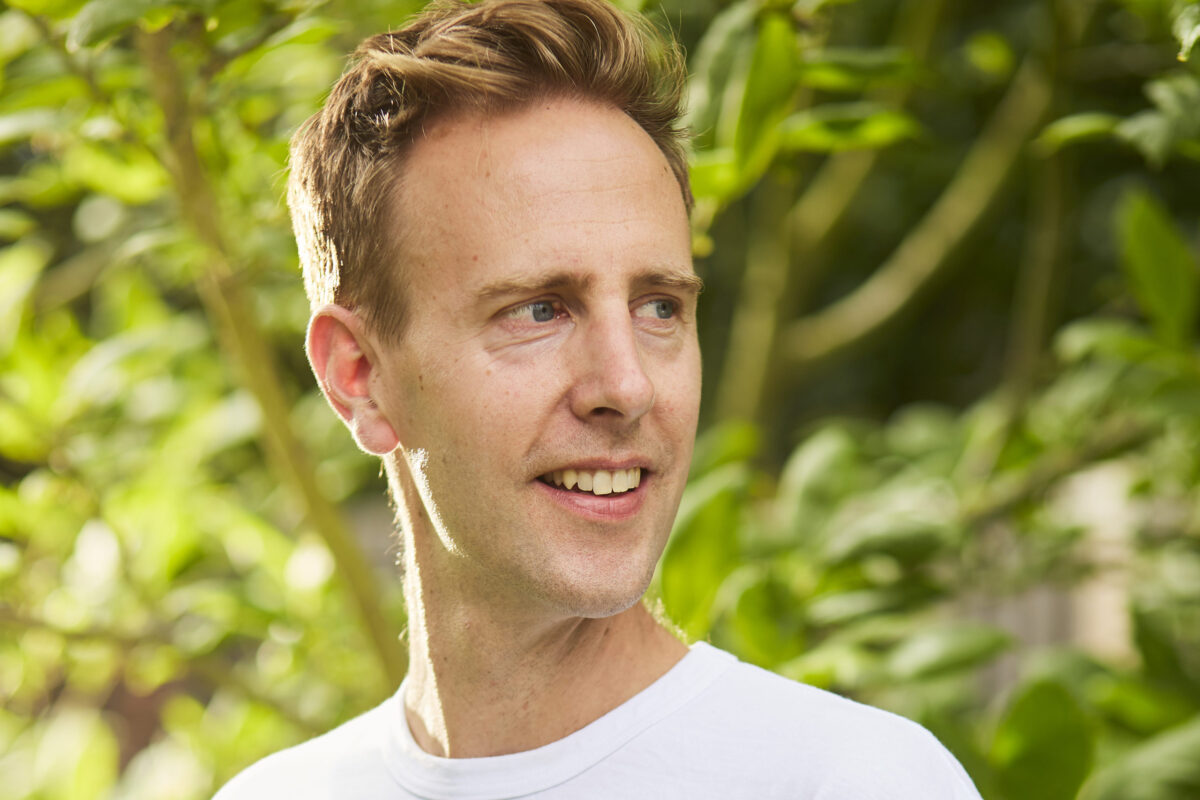
Lucky Saint founder, Luke Boase, said he has ‘seen how acceptance of alcohol-free products has shifted over the years’.
“I still hear from people who love having alcohol-free beer, but would rather have it served in a plain glass,” said Boase.
“It shows how alcohol-free has become a normal part of how people socialise, even if they’re not always talking about it openly. Over time we will see that stigma erode, as availability expands further, more people regularly consume alcohol-free products and see the health benefits from doing so.”