

Scottish Government proposals to shake up local authority structures across Scotland could potentially have a massive impact on alcohol licensing.
Proposals published by Holyrood late last month would see all 32 current local authorities disbanded and replaced with a smaller number of much larger regional authorities (between six and ten) and substantially more, but much smaller, community authorities (between 120 and 160).
This would see major authorities including Glasgow City Council, City of Edinburgh Council and Aberdeen City Council no longer existing.
The regional authorities would have responsibility for, in the words of the Scottish Government, ‘strategic decision making’ and core services such as waste and recycling and education, with the smaller community authorities looking after local decisions.
These local decisions, according to the Scottish Government announcement, would include householder planning applications, local leisure and sport facilities and – crucially for the licensed trade – licensing decisions.
Councillors would continue to be elected at a ward level and would sit on both regional and local authorities.
ScotGov said the current local authority model has not been reviewed since devolution in 1999 and increasingly ‘creates anomalies and risks inconsistencies in service delivery’.
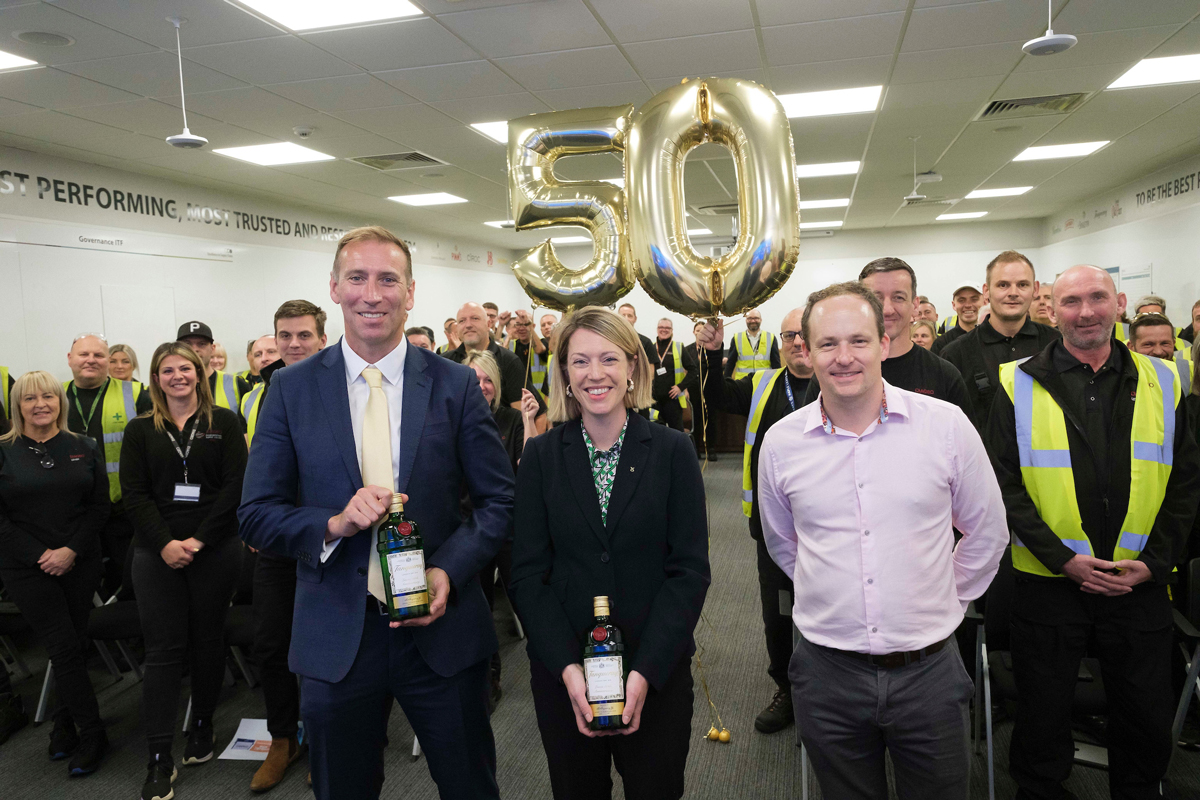
Deputy first minister Jenny Gilruth said the plans were about ‘delivering the best public services for people across Scotland’.
“We need to ensure investment is focused on frontline delivery, with the right staff in the right roles to empower communities and deliver real improvements in public services,” said Gilruth.
“Some decision making is best delivered at national level and regional level while others better sit closer to communities and we must get that balance right.
“Existing local government responsibilities could also be extended, including enhanced roles in economic development and business support so that individual areas can reflect local strengths and ambitions.
“These proposals are intended to provide a starting point to facilitate debate and discussion as we work to deliver reforms that strengthen public services and improve outcomes for the people and communities we serve.”
Licensing lawyers have warned that the plans could involve a significant shake up of how the trade is licensed.

Writing on LinkedIn licensing lawyer Stephen McGowan of TLT said the changes would ‘have real impact’ in licensing terms.
“As matters stand the Licensing (Scotland) Act 2005 requires licensing boards to be set up to reflect the local authority geography set up under the Local Government etc (Scotland) Act 1994, or such smaller areas as deemed fit, if they choose to subdivide,” he wrote.
“South Lanarkshire is the only remaining licensing board with subdivisions (Dumfries and Galloway moved to a single board in 2024).
“Of course, so early in the process it is impossible to tell how many licensing boards we will end up with here – will licensing sit within the 6 to 10 new ‘mega’ authorities, thereby centralising decision making for policy or strategic purposes, or will we see 120 to 160 licensing boards for much smaller areas, with 120 to 160 separate policies, fees, and processes?
“The same questions arise, of course for civic licensing authorities under the Civic Government (Scotland) Act 1982.”

SLTN licensing columnist, Niall Hassard, of Hassard Licensing, told the publication he reckons the proposals would ‘need a significant overhaul of the Licensing (Scotland) Act 2005’.