

By Gordon Davidson
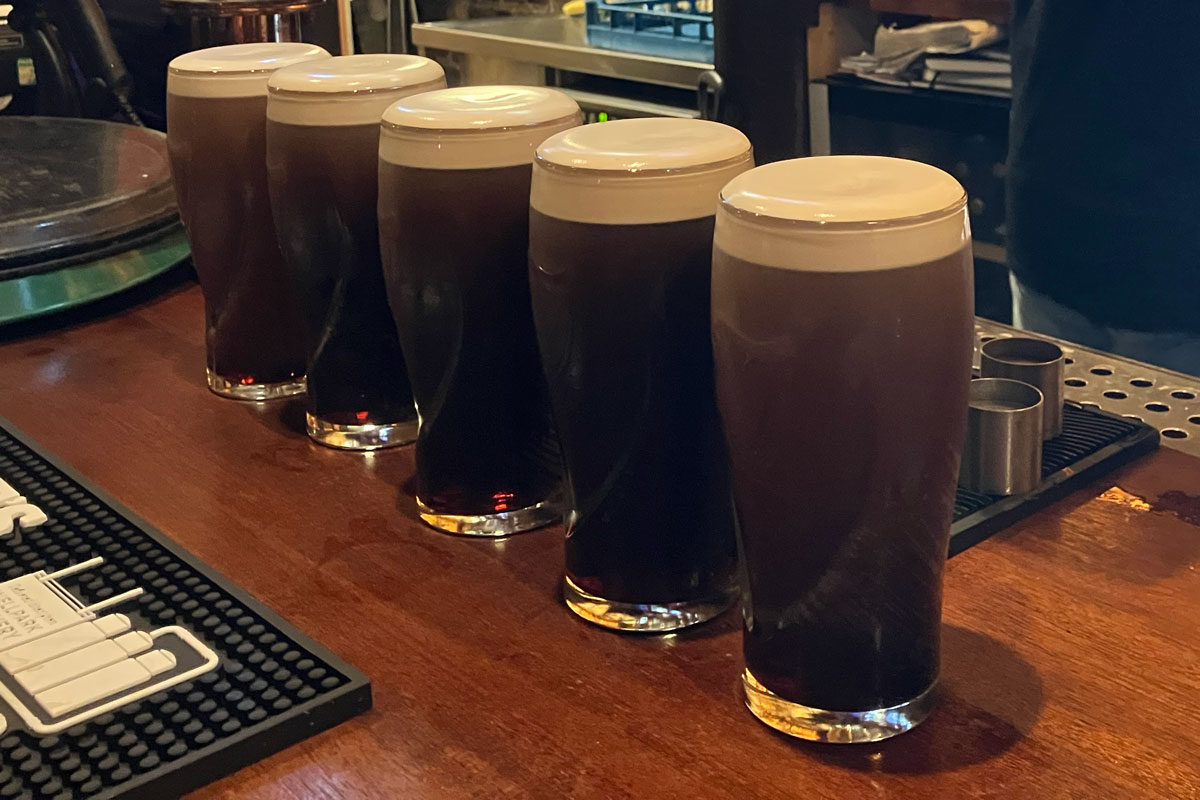
Stout has been one of the on-trade’s big growth areas in recent years – and with drinkers’ newfound enthusiasm for a pint of the dark stuff showing no signs of abating, having one solitary stout tap on your bar no longer makes commercial sense.
While the market leader won’t be getting knocked off its perch anytime soon, the recent rash of alternative stout listings in pubs and bars suggests that the category is becoming genuinely competitive.
Ironically, it’s the historic marketing know-how behind Guinness that has helped the overall category reach a new generation of consumers, and created fertile ground for challenger brands to take root.
Marketing manager at Belhaven Brewery, Suzie Carlaw, noted that, despite its historical roots, stout’s well-polished public image had kept it ‘contemporary’ while establishing a serve that consumers recognise and trust.
“The opportunity for challenger brands is now to add meaningful choice, rather than simply providing another version of the same proposition,” said Carlaw.
“The stout market still has room to grow and as new consumers are attracted into the market it provides a great opportunity for on-trade customers to expand their repertoire of stouts, giving consumers more flavour profiles to choose from.”
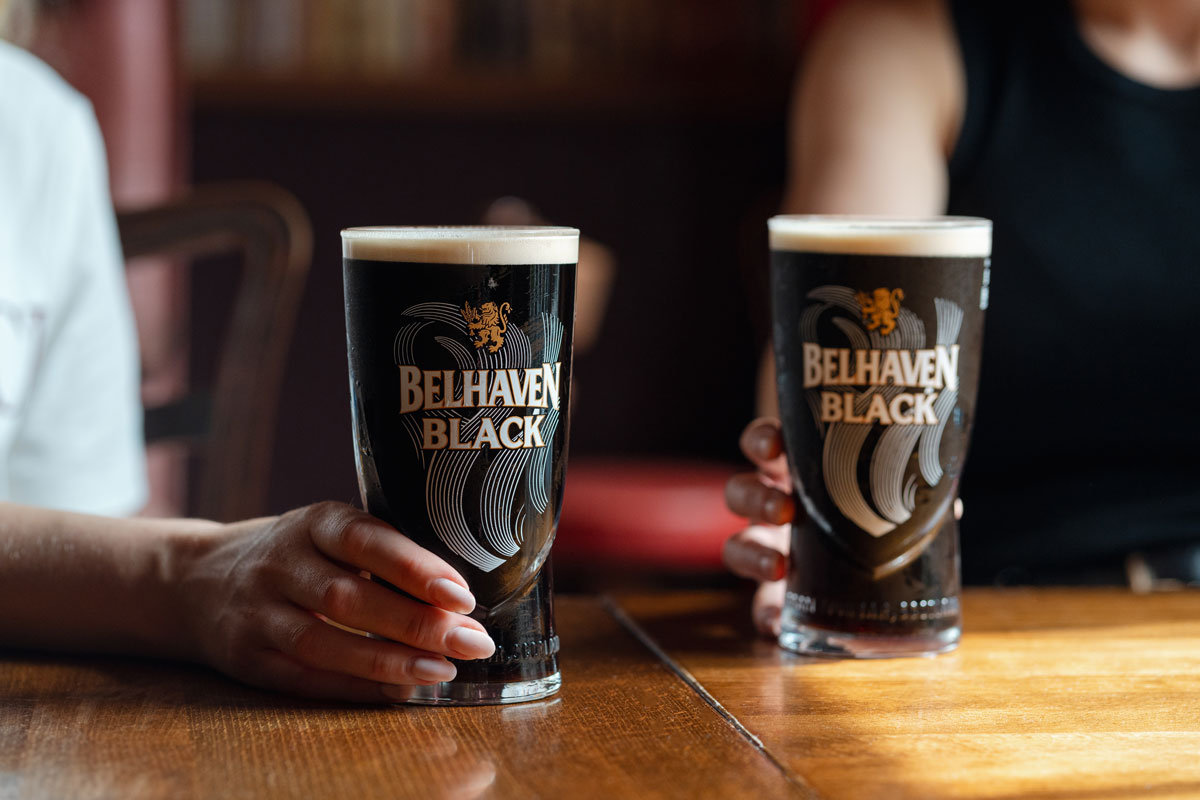
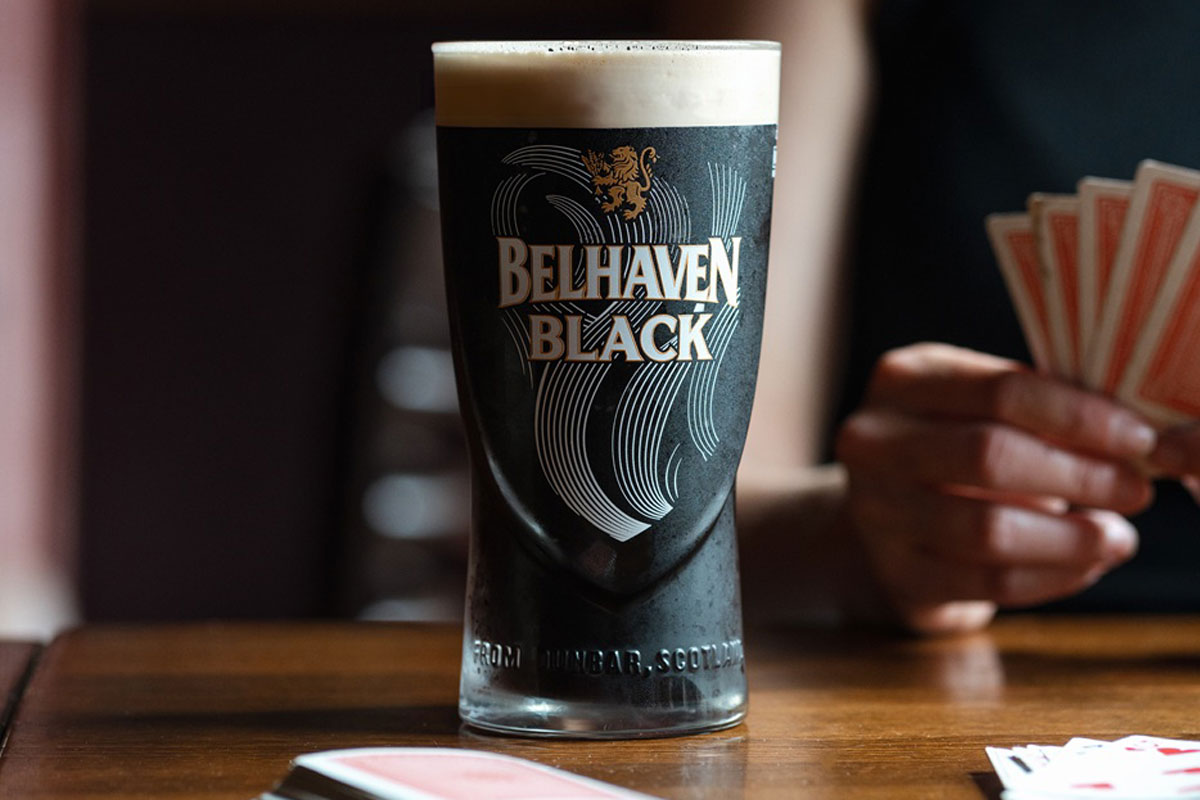
Carlaw suggested that Belhaven Black had a clear place in that mix as a Scottish stout, brewed in Dunbar at Scotland’s oldest working brewery.
“It feels recognisably like a stout, but has a taste and story of its own.
“Belhaven Black has delivered strong year on year growth and is now the number three stout in the UK on trade, according to CGA data. That suggests there is genuine appetite for credible alternatives within the category.”
Ben Selby at Cave Direct agreed that there is still plenty of growth to come in the category.
“Stout has moved beyond being viewed as a seasonal or older drinker’s choice and has become one of the most culturally relevant beer categories in the on-trade.
“The next stage is particularly interesting because consumers are beginning to recognise stout as a category rather than effectively a single brand.
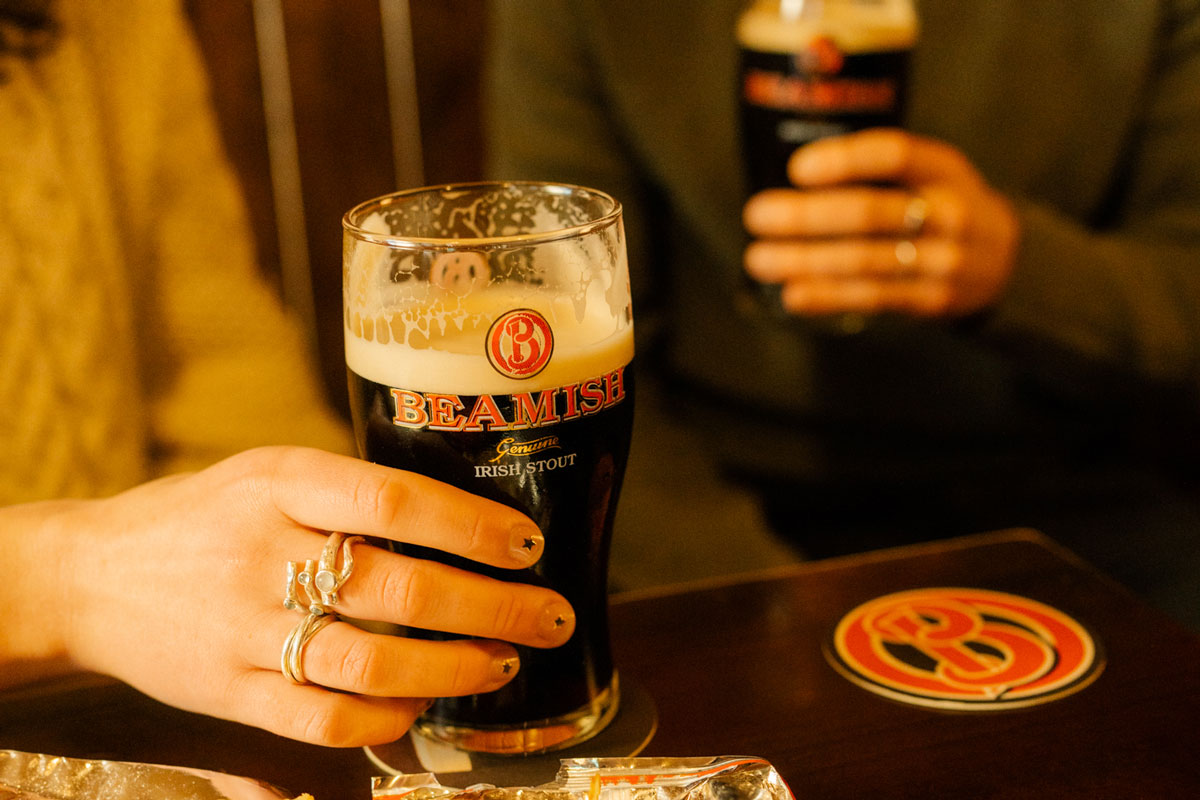
“Beamish is an important example because it isn’t a challenger brand created to capitalise on the current stout trend. It has been brewed in Cork since 1792. Its proposition comes from authenticity, heritage and giving consumers another genuine Irish stout to discover.
“Consumers want highly drinkable dark beer and are increasingly willing to explore beyond the default choice.”
Serena Smith, head of on-trade category for Heineken UK, noted that stout had delivered year-on-year growth of 10.6%, so confidence in its continued popularity was high.
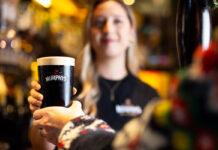
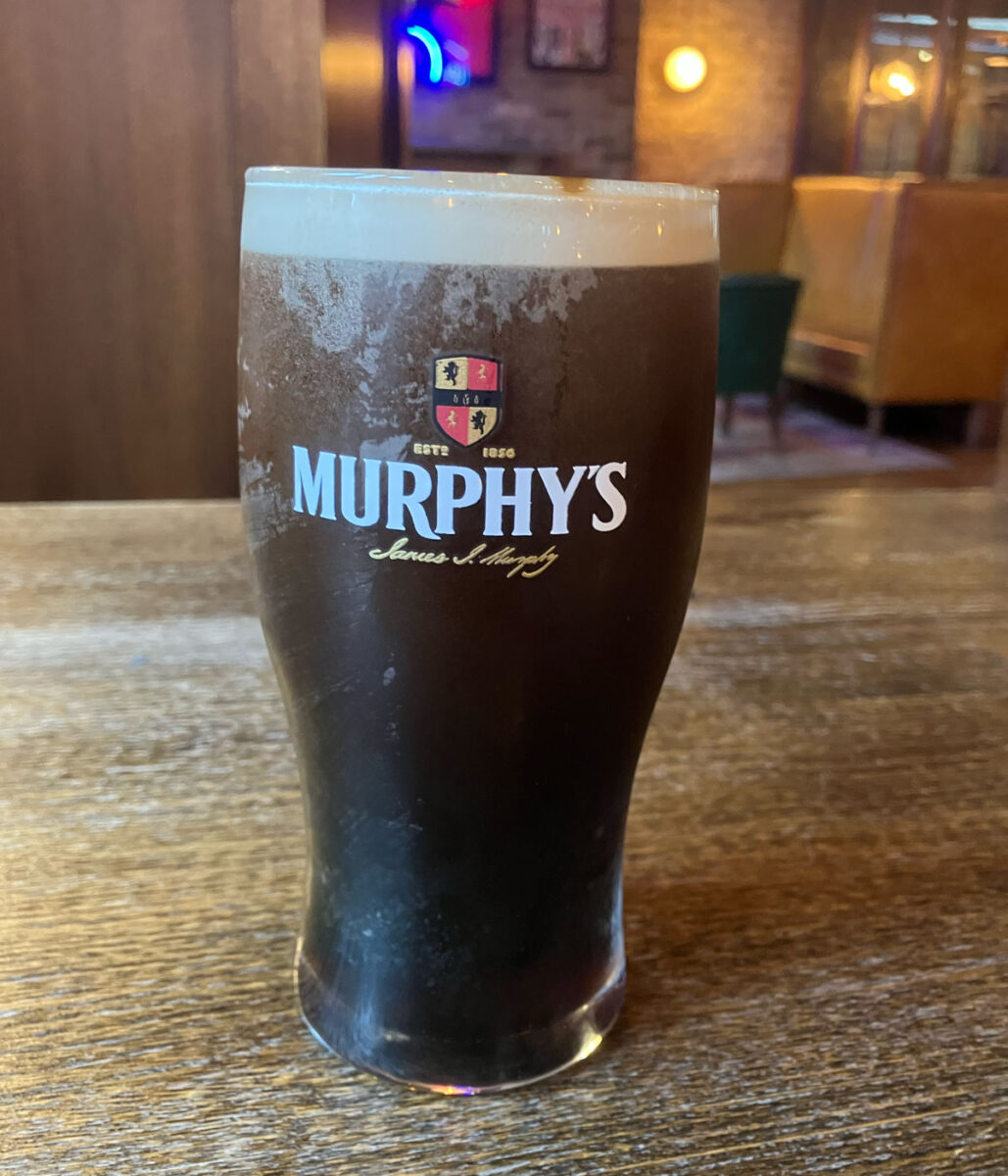
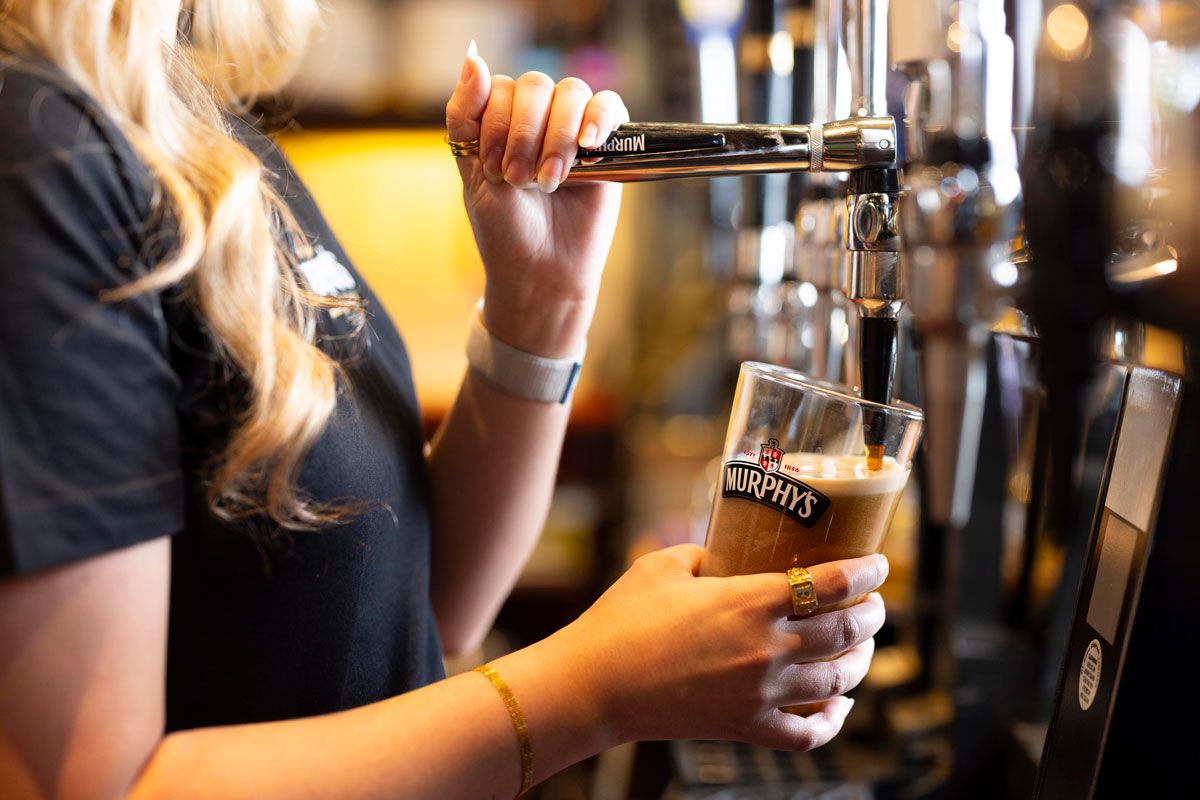
Crucially for Heineken, which has led the charge towards second stout taps with Murphy’s, that brand now accounts for 3.3% of the category in the on-trade, more than doubling its market share.
“As more consumers discover the category and become more engaged with it, we expect stout to remain a key growth driver for pubs and bars, especially around major occasions such as St Patrick’s Day, but increasingly throughout the year,” said Smith.
“We’re seeing consumers actively look beyond traditional choices and seek out a stout that offers a genuine point of difference on taste and experience.”
But who are the consumers driving these trends? The industry consensus is that there is no simple answer to that question…
Smith described Murphy’s target demographic as ‘broad’, including established stout drinkers looking for variety, as well as newer consumers who are discovering the category for the first time and are open to trying different brands.
“What unites them is a desire for quality, authenticity and a great-tasting pint,” she said.
Belhaven’s Carlaw had a similar perception: “The modern stout consumer is difficult to define simply by age or gender. For Belhaven Black, we are speaking to curious beer drinkers who value flavour, quality and provenance.
“That includes established stout drinkers, but also people looking for a smooth and approachable introduction to the category.
“Consumers are increasingly comfortable moving between lager, craft beer, ale and stout depending on the occasion, rather than defining themselves as a drinker of one particular style,” she said.
Cave Direct’s Selby concurred that stout’s growing fanbase was a combination of younger legal-drinking-age consumers discovering stout through social media and the resurgence of Irish pubs and drinking culture, and existing beer drinkers moving into stout.
“Someone who might previously have spent an evening drinking lager, pale ale etc is increasingly comfortable switching to stout,” said Selby. “At the same time, established stout drinkers are becoming more interested in alternatives.”
So with all that said, the case for a second stout tap seems stronger than it has been for some time. What is holding licensees back?
“Operators need confidence that an additional line will grow total stout sales and deliver a worthwhile return, rather than simply divide the existing volume between two brands,” said Carlaw.
“In Scotland particularly, Belhaven Black gives operators a credible, locally brewed choice with a story that pub teams can share. The conversation is becoming easier as more consumers show an interest in exploring beyond the most familiar brand.”
Selby agreed that getting operators to take a second stout tap was the biggest structural challenge, but that was also what made it such a big opportunity.
“Historically, operators have treated stout as a single-tap category,” he said. “Yet the same pub might happily have four lagers, three pale ales and multiple ciders.
“We’re not arguing that every pub suddenly needs three stout taps. But if stout is one of the strongest areas of growth on the bar, it doesn’t make much sense to automatically restrict it to one choice.
“For venues already selling significant volumes of stout, a second line can offer something genuinely different,” he suggested.
“The most important shift will be consumers asking ‘what stout have you got?’ rather than simply ordering stout by one brand name.Once that happens consistently, the commercial argument for additional choice becomes much easier.”