Chefs in search of a change of scene might like to consider this morning’s announcement from the British Antarctic Survey (BAS) that it is looking for a variety of skilled individuals to come work on its polar research stations.
Over the next few months, BAS will be actively recruiting chefs, carpenters, plumbers, boat handlers, scuba divers, plant operators and more, offering ‘the ultimate career change’ and adventure at the end of the Earth.


A world-leading centre for polar research and operations, BAS scientists are studying how the frozen parts of our planet are changing as our climate warms, and what this means for people around the world.
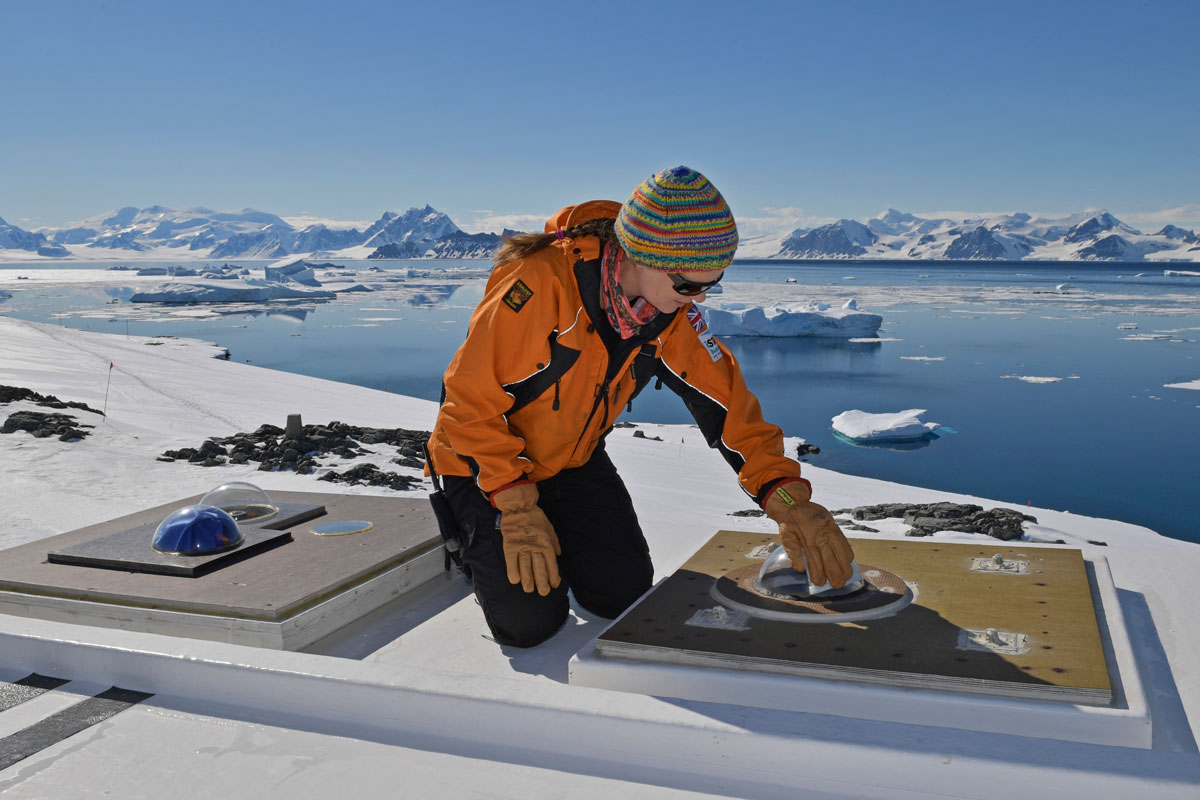
Each of its Antarctic research stations are small, self-sufficient communities, where the successful applicants for these jobs would get to work in ‘some of the most remote and beautiful places on Earth, building lifelong friendships and contributing to vital science’.
Contracts run from six to 18 months and are flexible. Salaries start at £30,244 per annum, with a benefits package. Importantly, there are no living costs in Antarctica – accommodation, food, travel, specialist clothing, tools and training are all provided.
Mike Brian, who began his career with BAS as a polar guide at Rothera Research Station and now manages operations there, said: “If you think about what it takes to keep a community going – plumbers, carpenters, mechanics, engineers, chefs – there’s a job for that.
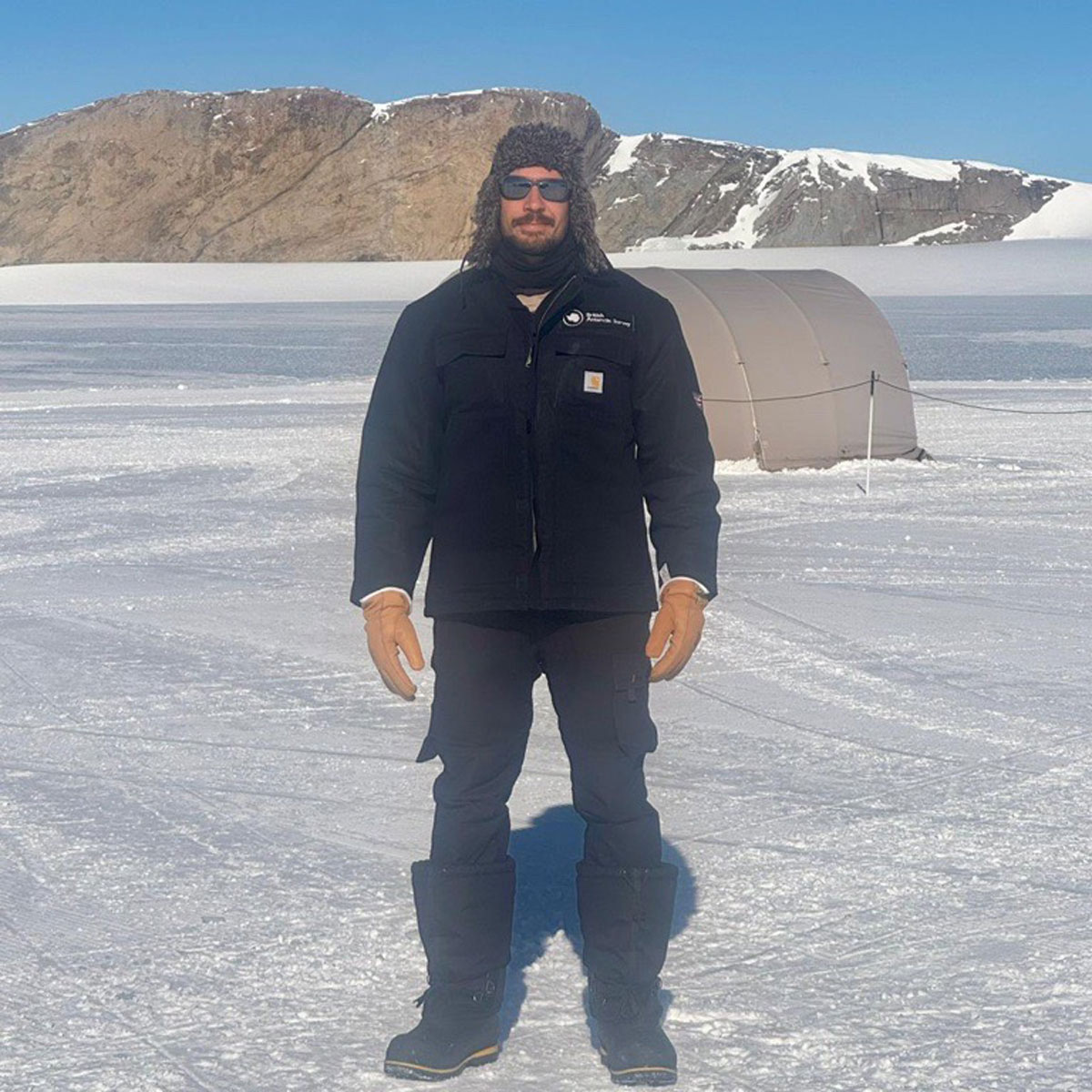
“The people working on our stations are ordinary people, often doing an ordinary job – just in an extraordinary place!”
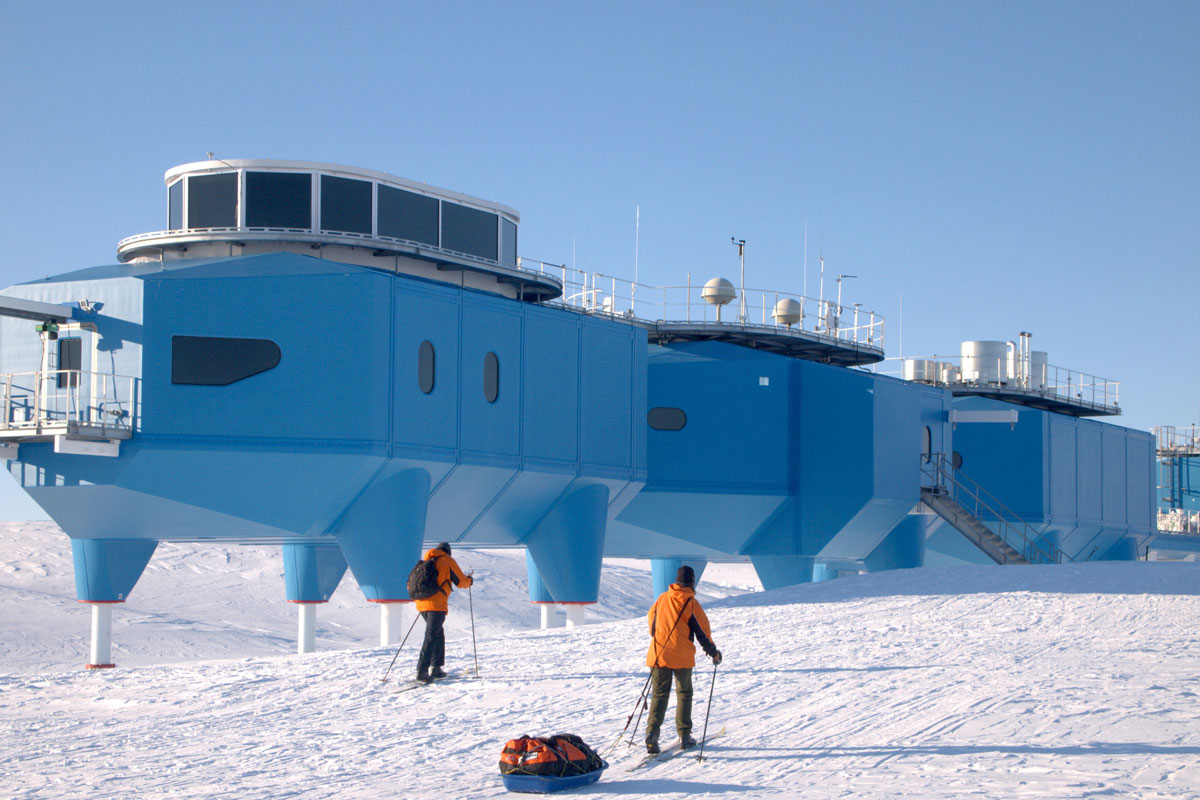
Phill Coolman is a carpenter at Halley VI Research Station. He first came to the station six years ago and has returned every season since. His role ranges from maintaining the station to solving practical problems to help carry out science in this extreme environment.
“Being a carpenter in Antarctica requires adaptability and teamwork. I’ve gained skills here that I’ve carried back to the ‘real world’ and done things I never thought I would get the chance to do.
“Halley is a not only a station and a team, its a home and a family, and we all work together to keep the station and science running, even when the weather has other ideas! I planned on coming to Antarctica for one season and I’ve come back every season for the last six years and have no desire to stop any time soon.”
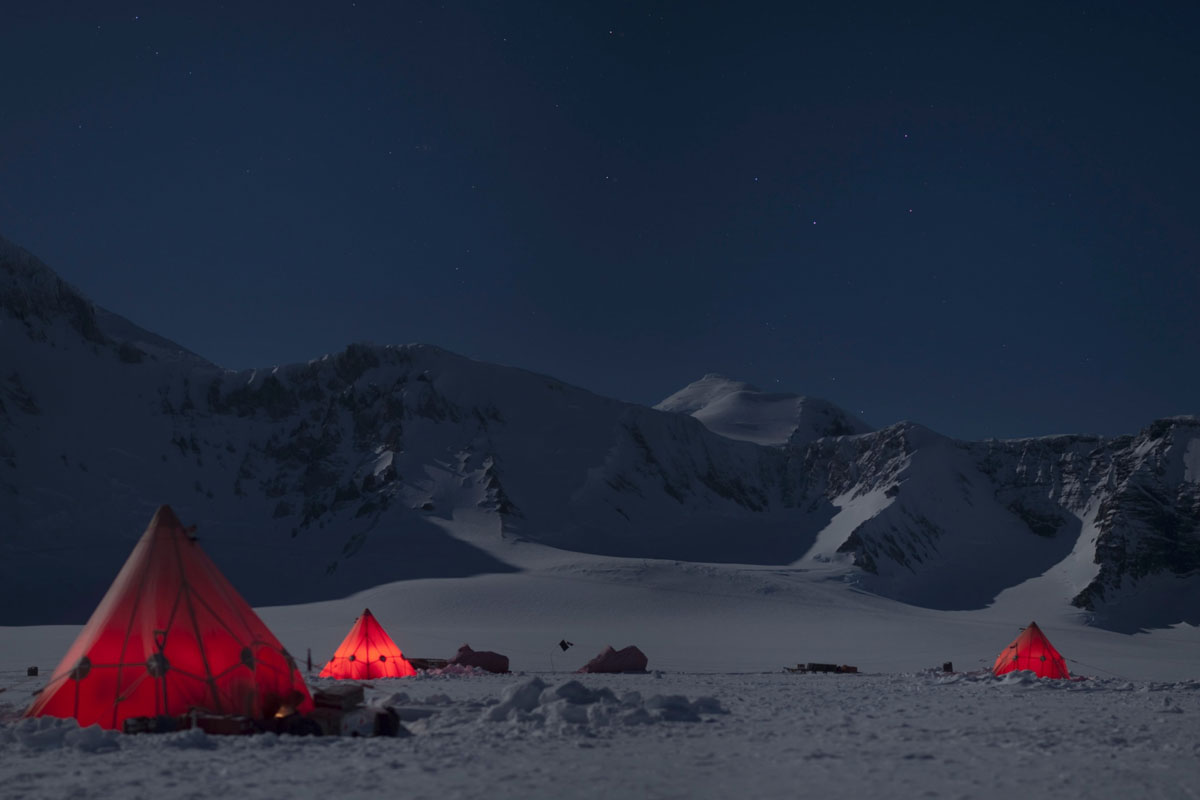
The first batch of Antarctic jobs are now on the BAS website. Applicants should check the specific job advert for the relevant closing date, with contracts starting anytime between May and September.
BAS will continue to post more vacancies, including chefs, station leaders and zoological field assistants over the next three months. Interested individuals can sign up to receive an email alert when these roles go live.
There is also an Iceworld podcast that shares stories from people who have been working in BAS roles.