Edinburgh’s licensing board has decided that it will no longer consider any areas of the city overprovided in terms of licensed premises, in a major change in direction.
Edinburgh’s previous policy was to adopt a ‘rebuttable presumption against the grant of new premises licences’, both on-trade and off-trade, as well as any variations that would increase capacity of existing premises, over concerns about the impact on alcohol-related health issues.
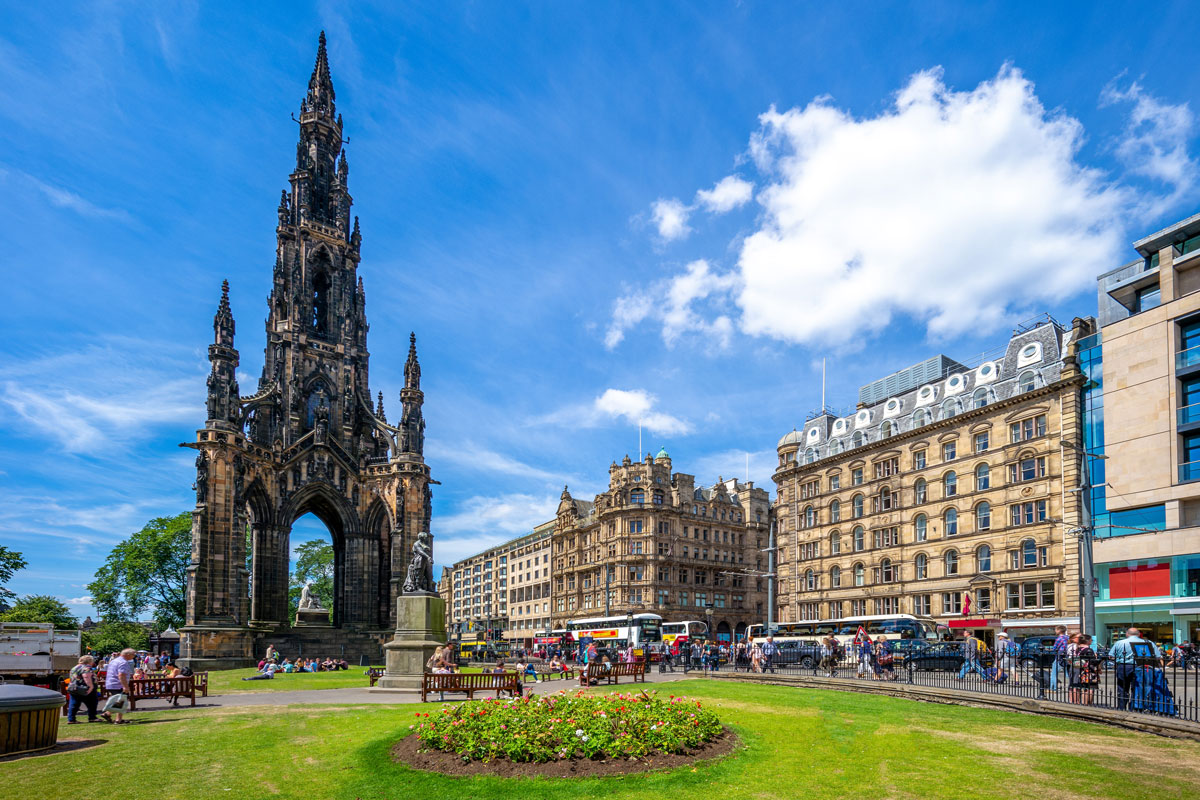
The policy covered the Old Town, Princes Street and Leith Street, Tollcross, Deans Village, Southside, Canongate and Dumbiedykes.
However, each application was still evaluated on its own merits, meaning new licences continued to be granted.
The recent decision, which split the board members and went against the vote of the board’s own convenor, came after an extensive period of review and consideration of updates to the board’s overprovision policy.
In the end, the board voted by five votes to three to scrap the policy altogether.
Licensing convenor, councillor Louise Young – who voted to retain the overprovision policy – said: “Whilst I voted to retain the policy, I respect the differing views and the majority decision of the board to remove it.
“There was a clear difference in opinion among board members on whether having a policy was the right approach.
“I voted in favour, believing that the evidence presented, in particular by the police and NHS, showed a correlation between availability of alcohol and health issues relating to alcohol consumption. While the board has not routinely rejected applications, we have often considered whether a more restricted licence was appropriate.
“I was, and remain, concerned that the removal of identified areas of overprovision will now make it harder for the board to manage the availability of alcohol in areas of the city which are already well provided for.
“Some board members considered the overprovision policy as no longer fit for purpose and wanted instead to put greater emphasis on hearing how applicants will comply with the licensing objectives.
“This enhanced focus on licensing objectives in individual applications will be all the more important for reducing alcohol related harm, in the absence of an overprovision policy.”


The news was welcomed by licensing lawyer – and SLTN legal columnist – Niall Hassard, who said it was ‘clear that the City of Edinburgh Licensing Board was divided on the best approach’.

And he disagreed that the scrapping of the policy will make it harder to control the availability of alcohol in the city.
“Concerns from some quarters that this leaves the board toothless when it comes to scrutinising new applications are unjustified,” said Hassard.
“The board has significant power to assess the suitability of applications and consider any negative impact on the licensing objectives.
“What it does, in my opinion, is remove a significant disincentive for investment in areas like Princes Street, George Street and the West End, for example, which have seen traditional retail move away or close.
“These are prime locations for quality hospitality offerings.
“Hopefully this positive step by the board ties into wider changes around planning permission in these areas which historically restricted ground floor planning to retail class use.”