

By Dave Hunter
Tourism and hospitality groups have urged councils across Scotland to opt for a fixed fee model when they introduce their visitor levy (or tourist tax) after businesses in Edinburgh struggled with the introduction of that city’s complex levy.
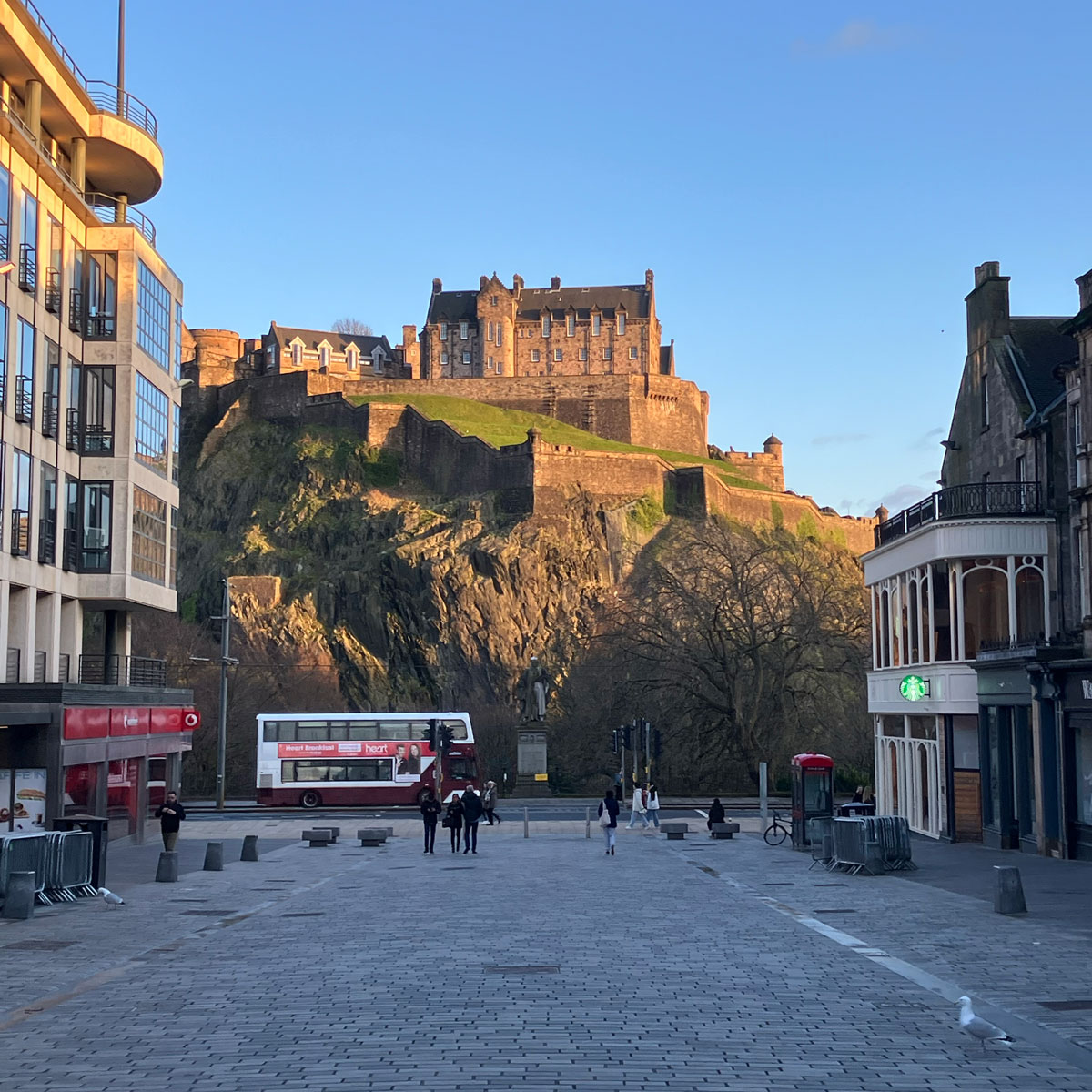
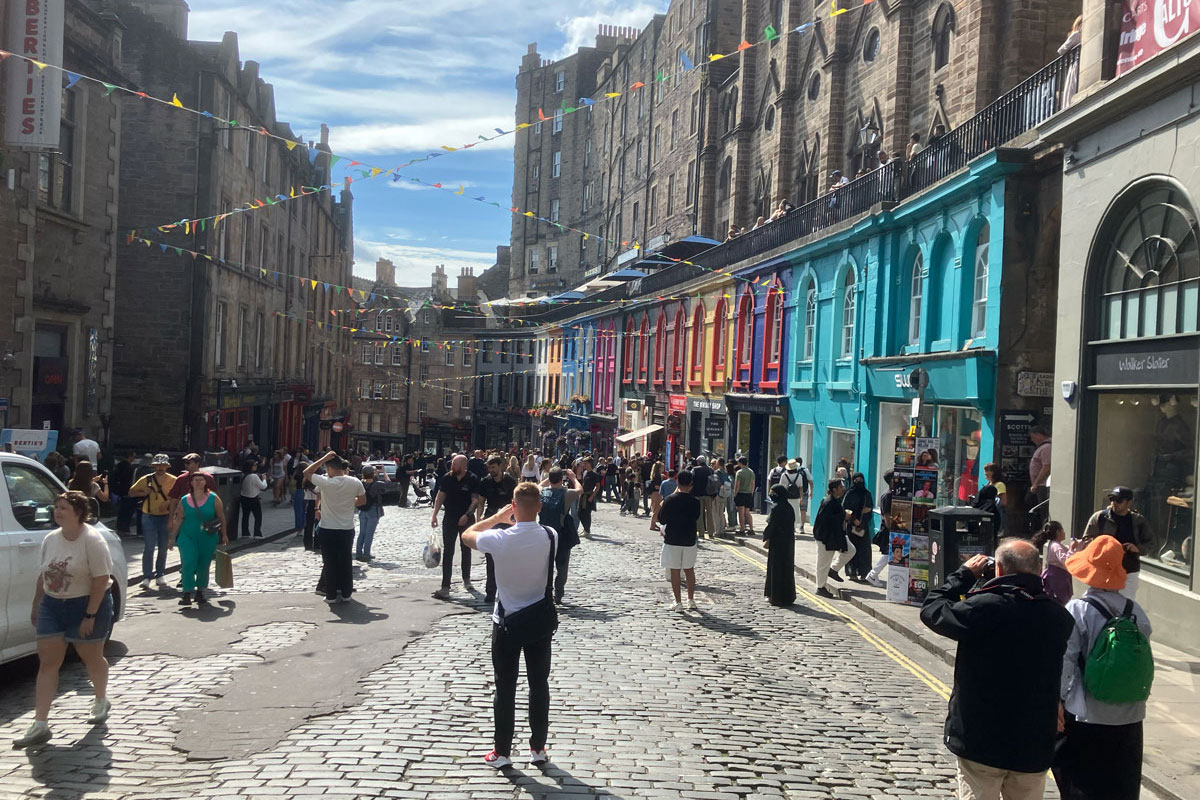
Edinburgh became the first local authority area in Scotland to introduce a visitor levy in July this year.
Visitors to the city are now charged an additional 5% of their room rate a night, with accommodation providers tasked with collecting the levy and delivering it to the council.
The council then reimburses the businesses 2% to cover some of the cost of administering the levy.
However, the levy applies only to the room rate and not to any additional costs (breakfast, for example), and also has to have VAT applied to it.
Subsequently, booking platforms are struggling to calculate the correct bills for guests, meaning hotels are having to correct many of them – and do it manually (automated systems are also struggling with the levy).
“We always knew there would be challenges with the percentage model and we are now starting to see some of those coming through,” said Marc Crothall, chief executive of the Scottish Tourism Alliance.
“Calculating a percentage may seem simple, but the reality is causing major problems for businesses.
“Some of the booking platforms are not yet set up to work with the percentage model properly and accurately remove non-accommodation elements from the final levy calculation, and that means businesses are having to go back and correct bills. That takes time, and it costs money.
“When you multiply that across the number of bookings being made in Edinburgh, it becomes a significant cost. This could run into millions of pounds, so we need to understand the true cost and whether the 2% businesses can retain for administration comes anywhere close to covering it.
“The last thing we want is for a guest to get to the end of their stay and be presented with a bill which isn’t accurate.
“It doesn’t reflect well on the business, and it doesn’t reflect well on Scotland as a visitor destination.”
Leon Thompson, executive director of UKHospitality Scotland, said Scotland’s approach to the visitor levy ‘makes it one of the most complex tourist taxes in Europe’.
“With so much business time, effort and resource to make this charge work, it is essential that the money raised is invested to enhance the city, to drive revenue for accommodation providers and ensure increased spend in our pubs, bars and restaurants by visitors,” he said.
“The levy will be a failure if it simply removes £50 million each year from the city’s visitor economy, gives nothing back to our businesses and fails to drive economic growth.”
Thompson added that four other local authorities – Glasgow, Aberdeen, Stirling and West Dunbartonshire – have signalled they are also planning to introduce percentage charges next year.
Crothall called on councils to instead follow the example of Highland Council, which is considering a fixed-fee of £5 a night rather than a percentage-based model.
However, he said it was also essential that councils carry out economic impact assessments before introducing any charges, to calculate what level of fee can be charged without damaging the local economy.