



Perhaps one of the most unexpected – and from a personal point of view, certainly one of the most welcome – beer trends of recent years has been the seemingly unstoppable resurgence of stout.
Of course, much of that momentum belongs to the black behemoth of St James Gate in Dublin, but the positive, multi-generational focus that has fallen upon what was previously a rather middle-aged category has paved the way for alternative stout brands to enter the market and take a shot at splitting the G from its loyal customers.
SLTN spoke to some of these challengers about the stout boom, and their thoughts on where it has come from – and where it is going.
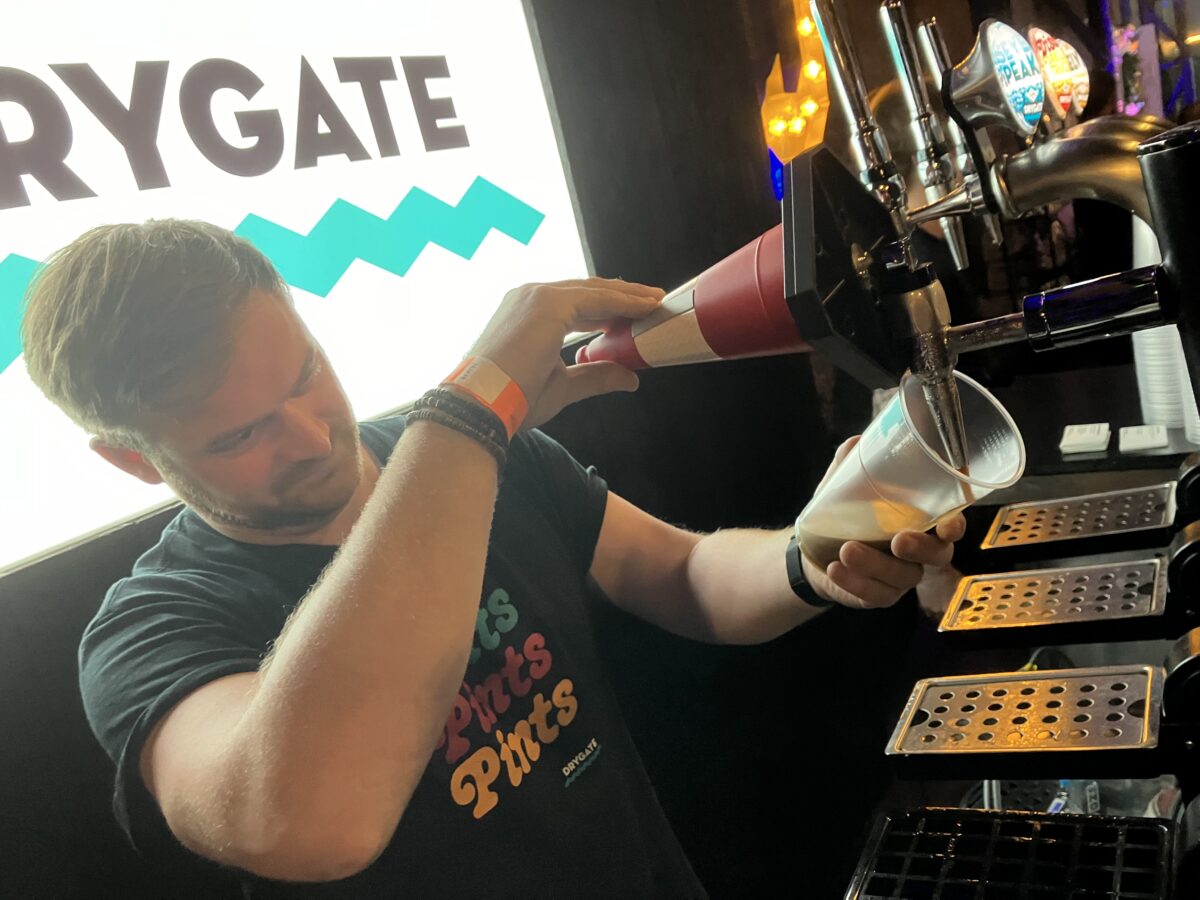
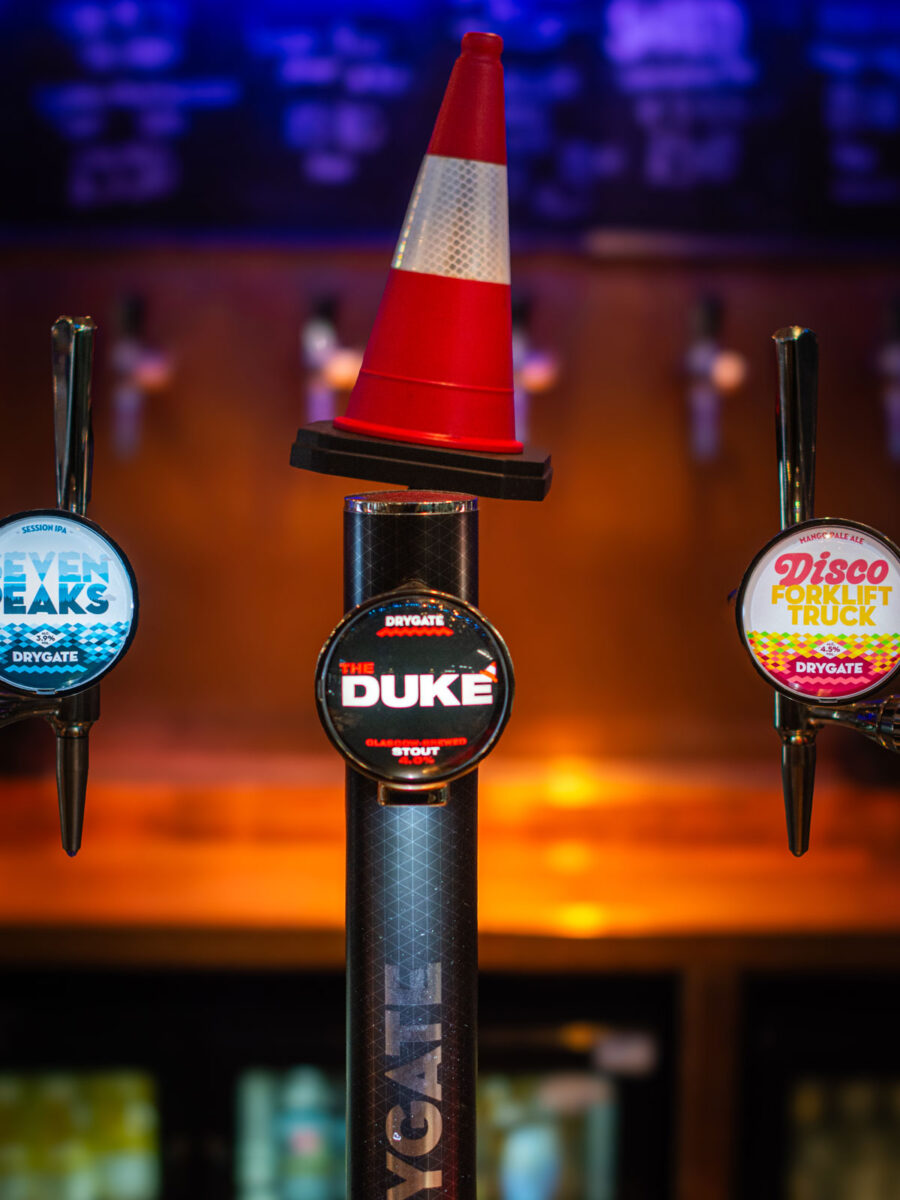
Drygate Brewing Co has pitched up to this field of black beer battle with The Duke, a Glasgow-brewed nitro-stout that has cheekily co-opted the Duke of Wellington’s perennial traffic-cone as both a signifier of its Glaswegian identity, and its youthful disrespect for historic leaders, whether military or market.
“Social media has helped demystify stout for younger people and women.”
Drygate managing director Matt Corden said: “I think the boom in interest in stouts has been a sort of perfect storm.
“The stouts we are talking about are low abv, making them sessionable and tying in to the wider societal trend of moderating alcohol intake.
“This, combined with social media helping to demystify stout and make it seem more accessible to younger people and women in particular, has created the perfect conditions for interest in stout to grow.”
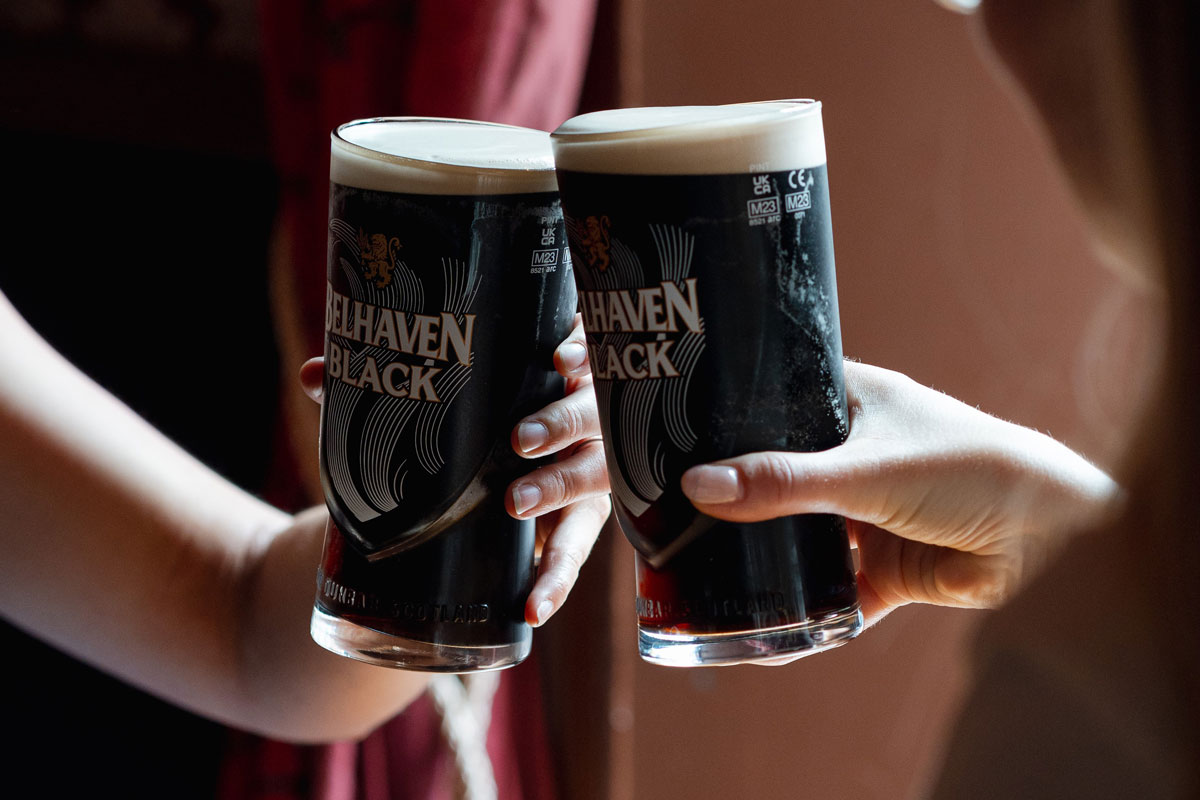
Celebrating the inroads it has made with the equally Scottish Belhaven Black, Belhaven Brewery’ marketing manager, Fiona Matheson, agreed that a ‘leading stout brand’ had played a key role in sparking the recent boom in sales, which in turn had opened the door for other brewers to ‘showcase the depth and variety within the category’.
“Today, drinkers are discovering a wide spectrum of flavours and styles, which has kept the momentum going and ensured the category’s continued growth,” said Matheson.
BrewDog’s senior customer marketing manager Hannah Moore was, as you might expect, blunter in her message to bar operators: “Once upon a time, when customers ordered a stout, there was just one brand they expected to see – but with more choice now available, have you got the right products on offer to meet the growing demand?
“Young people who have just discovered a taste for stout are likely to keep drinking it.”
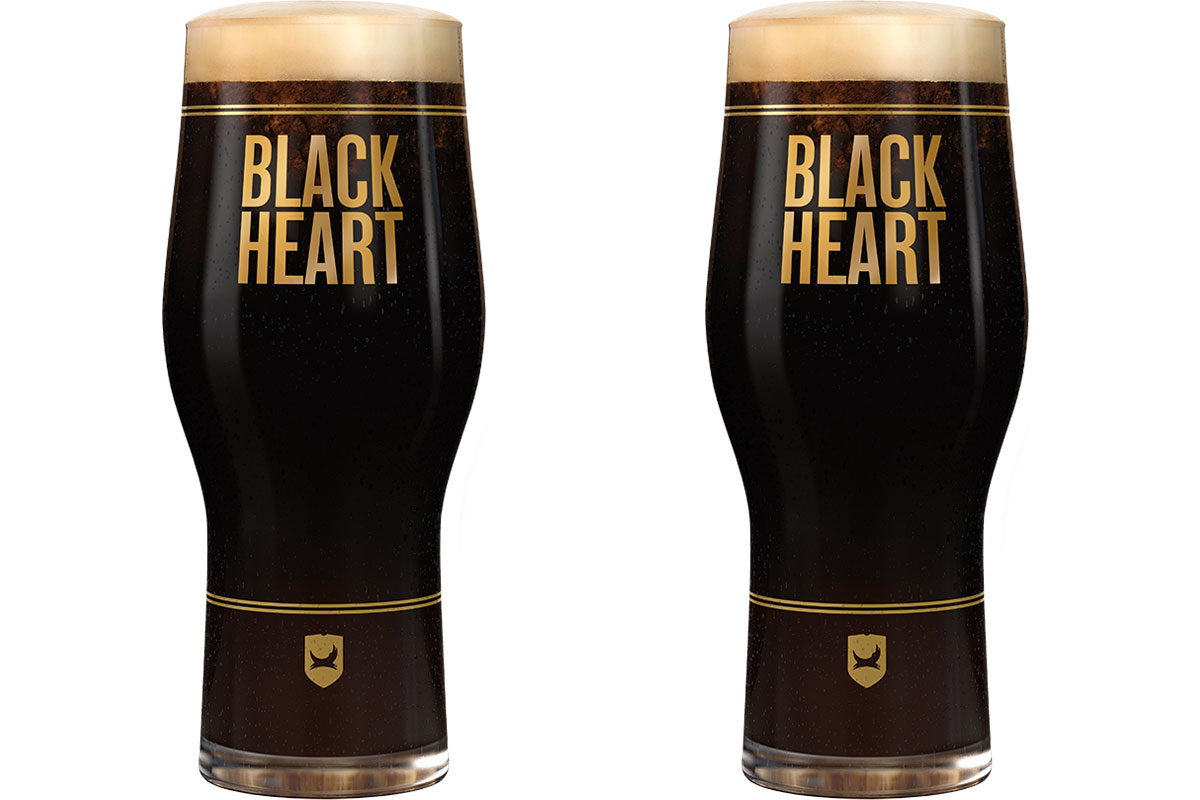
“BrewDog Black Heart has helped open the category to a new audience, attracting a younger, more affluent drinker and encouraging trial from those that may have not previously considered stout as their drink of choice,” she declared.
But how confident can operators be that the renewed interest in stout will persist long enough to justify experimenting with other brands?
Drygate’s Corden said he would be ‘very surprised’ if the current levels of interest in stout started to wane.
“Given that the key drivers to growth have been younger people discovering a taste for stout, it seems likely that those people who have discovered it while they’re young will continue to drink it as they grow older,” he suggested.
BrewDog’s Moore was equally bullish: “With the quality credentials of BrewDog, and the excitement of an alternative nitro stout, Black Heart represents a significant opportunity to drive sales and grow margin for operators.
“We’re proud to be giving venues genuine choice within this sub-category and the potential to increase profits by recruiting new users, while also converting established stout drinkers.”
In support of that confidence, she pointed out that the BrewDog stout was now pouring in over 350+ venues across the UK, including Center Parcs, Lords, Sixes Cricket and London Stadium, as well as the brewery’s own bars.
None of this, of course, is to say that Guinness is going to be knocked off its dominant perch at any point in the near future – only that the public might gradually become accustomed to the notion of encountering more than one brand of stout.
“I am a firm believer in offering consumers choice,” said Corden. “If there’s space on the bar for multiple varieties of lager, why shouldn’t there be space for more than one stout?
“If there’s space on the bar for multiple lagers, why should there be only one stout? ”
“I’m sure as the category continues to grow there will be space for variations in flavour profile, but for the moment it seems that when people ask for a stout at the bar they are looking for something similar in flavour profile, and texture, to the dominant player in the market.
“But as with any product, brewers will drive innovation through NPD and consumer demand will dictate what works and what doesn’t.
He added: “I’m keen to see if a circa 4% breakfast stout similar to our Orinoco, served on nitro, would gain any traction with drinkers keen to try something a little different to Guinness.”
Matheson agreed that there is room in the market for challenger stout brands, particularly if they can offer drinkers ‘something distinctive’ in flavour, story, and experience.
“Consumers are increasingly curious and open to exploring beyond the biggest name, which creates real opportunities for brands with authenticity and character.
“At Belhaven Brewery, we know that Scottish drinkers value provenance — and as Scotland’s oldest working brewery, that heritage is at the heart of what we do,” said Matheson.
“With Belhaven Black, we’re proud to offer a truly Scottish stout, rooted in heritage but brewed for today’s drinker. That combination of provenance and quality puts us in a strong position to grow alongside the wider stout boom and give consumers a homegrown alternative they can connect with.”
Moore commented that BrewDog was not afraid to be a challenger brand, pitting its Black Heart directly against the category leader in blind taste tests, under its marketing tagline asking ‘What if it’s Better?’.
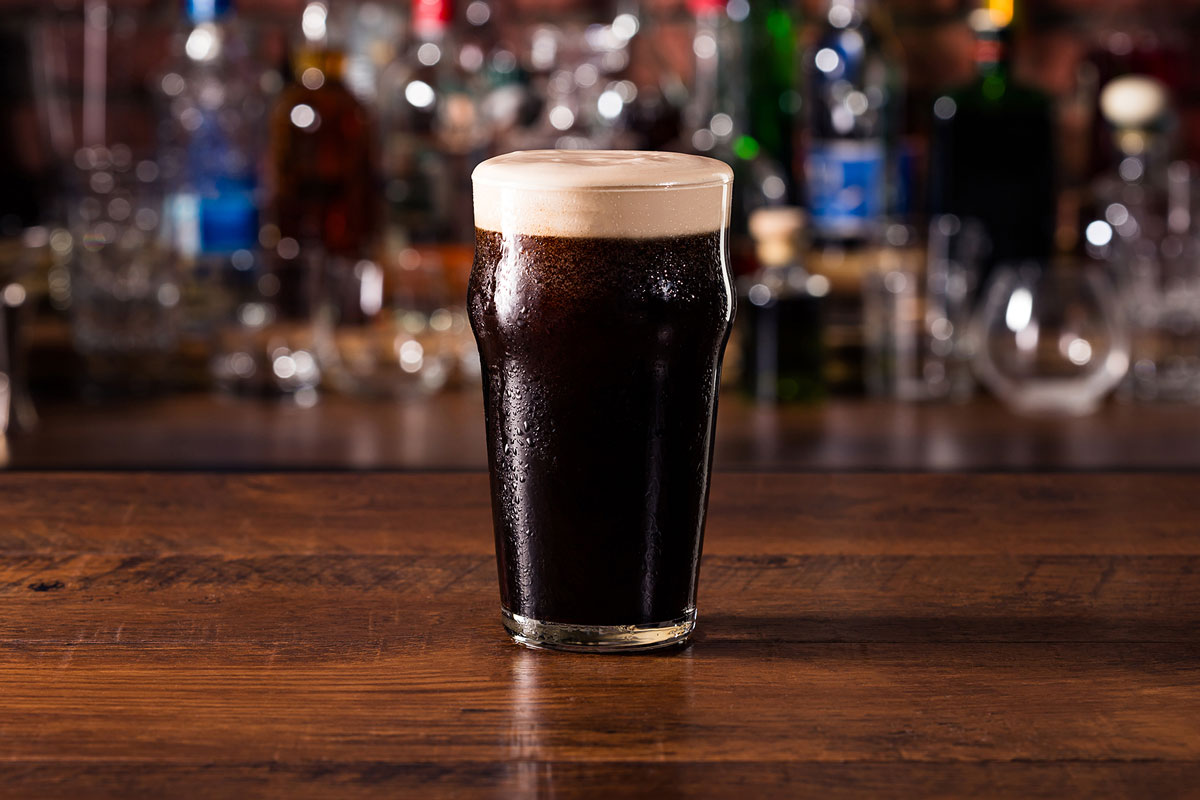
Such up-front public tasting exercises had, claimed Moore, won it a narrow 51% majority of the votes.
All this my become of increasing relevance as we roll into autumn and winter, a time of year when stout tends to be strongest – although Corden, like many of the new generation of stout drinkers, reckons the category now transcends seasons.
Matheson was more traditional: “Stout naturally comes into its own during the colder, darker months, when consumers are drawn to its richness and depth. That’s a key time to encourage trial and engagement with the style.
“It’s also about understanding the variety of drinkers coming into each venue and ensuring there’s a stout offering that feels relevant and appealing. By doing that well, stout can become not just a seasonal favourite, but a year-round choice that complements different occasions.”
One of the occasions Matheson has in mind is Christmas: “This winter we will be activating a Christmas jumper promotion in our Scottish free trade outlets where customers who buy a pint of Belhaven Best or Black, in selected outlets, could be in with a chance of winning one of 200 Belhaven Christmas jumpers!
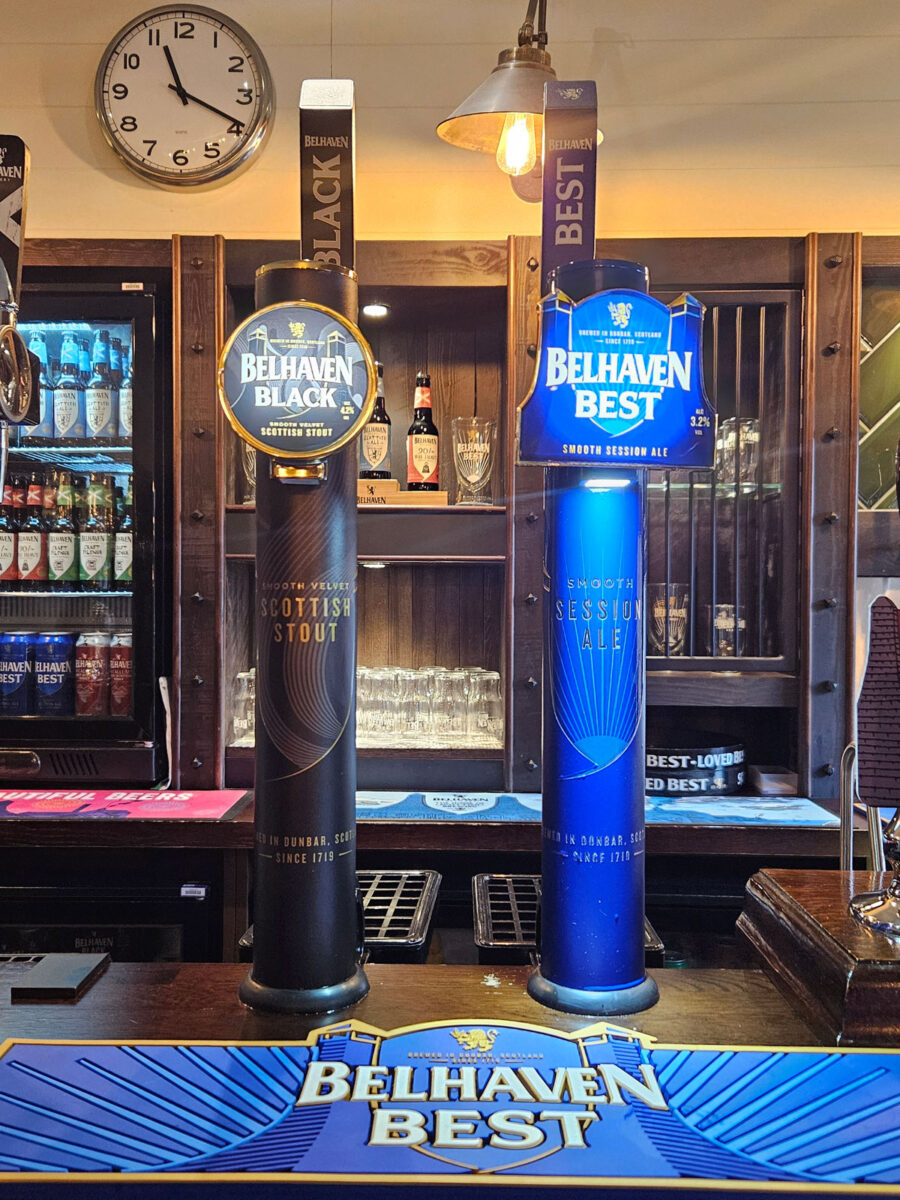
“All customers have to do is scan the QR code in the outlet, upload a picture of their pint and complete their details and winners will be contacted via email. We think this will be a brilliant campaign to get people into the festive season and driving purchase of our beers in our free trade outlets.”
There are no woollens in Drygate’s winter plan for The Duke, but there will be a concerted effort to roll out more of its wonky traffic cone tap handles in the on trade, to let that Duke of Wellington statue association do its work.
Brewdog’s Black Heart plan is to continue taking the brand to big sports events, further capitalising on those breakthrough listings at Lord’s and the London Stadium.