
June is likely to have been a big beer and cider month for Scottish pubs, as people around the country cheered on the men’s national football team in the US.
But outside of World Cup fever, and even with beer and cider still ‘hugely important’ to Scottish pubs, customers are now said to be more ‘considered’ in what products they are choosing.
“The category is competitive, and volumes are still under pressure in parts of the market, but there is still real appetite for brands that feel familiar, well brewed and easy to choose at the bar,” said Suzie Carlaw, marketing manager at Belhaven Brewery.
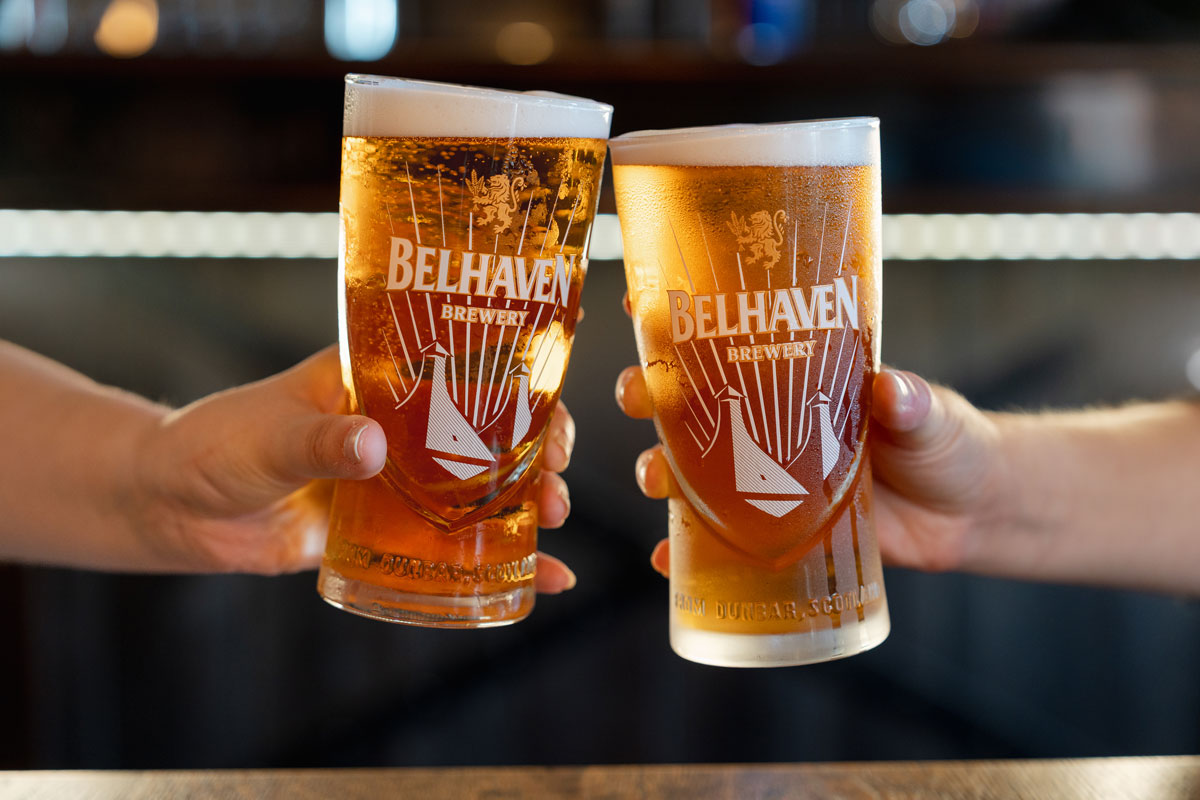
She added that lager continues to dominate the market in beer, but noted that Belhaven has seen fruit beer growing among ‘a much younger, female and more engaged consumer’.
Sweeter flavours are continuing to prove popular on the cider side, too, with a spokeswoman for Edinburgh Beer Factory – the Scottish company behind Paolozzi lager and Thistly Cross cider – saying ‘fruitier, sweeter flavours come through strongly this year’ and that customers are ‘increasingly drinking cross-category’.
“Having said that, we know that consumers are responding to increased financial pressures (and other trends, including wellbeing) by going out less frequently and spontaneously, so when they do go out, they’re not going to compromise on quality,” said the spokeswoman.
Andrew McKnight, CEO of Harviestoun Brewery, agreed that pub and bar customers ‘are being thoughtful about what they spend their money on’.

“I think beer has moved well beyond being a demographic story.
“It’s much more about occasions and preferences now. What strikes me most is just how broad the appeal has become – beer is no longer a drink defined by age or gender in the way it once was. That said, there are some interesting nuances. Younger consumers tend to be more adventurous – they’re genuinely curious about styles and willing to try something new. The moderation trend is particularly pronounced among younger adults too, which is part of why we’re seeing such demand for lower-ABV and alcohol-free options.
“Older consumers, on the other hand, often have strong loyalty to brands they know and trust, and a real appreciation for classic styles.
“But increasingly, across all age groups, the driving factors are flavour, quality and occasion. People are choosing beer because of what’s in the glass, not because of what demographic they belong to.”

At Signature Group, drinks development manager David Smillie said the challenging climate has actually helped to encourage some customers to stick with beer and cider.
“The wider on-trade picture is challenging,” he said.
“Consumer report data for March shows average monthly spend fell to £94.88, the lowest since January 2025, and 58% of Scottish consumers are severely or moderately impacted by the cost-of-living crisis.
“That makes categories like beer, lager and cider important because guests understand them, trust them, and often see them as better value than some other drink choices.”
Smillie said that Signature has noticed the increasing popularity of stout, resulting in the company stocking up on Murphy’s in its venues as well as producing its own stout – Velvet Stout – through its Cold Town craft brewery.

Provenance is said to be another factor customers are considering when choosing their drinks.
John Price, head of marketing at Kingfisher Drinks, said: “It’s long been a paradox of the brewing industry that whilst brands talk about ‘Heritage’ and ‘Authenticity’ an awful lot, there was very little empirical evidence that consumers actually cared. Whether it was genuine world beers being brewed in the UK to a revised recipe, or brands being created out of thin air, consumers were always happy to continue drinking them.
“However, this now seems to be changing.
“Local brewing makes sense for some brands and offers significant benefits, consumers deserve complete transparency. And when drinkers are paying increasingly high prices for premium, and super premium, beers it seems reasonable that they should expect an authentic brand with the same recipe as the home market, even if it is brewed elsewhere.”
And the importance of no and low-alcohol products continues to be a factor.
Carlaw at Belhaven said low-alcohol or alcohol-free products are ‘no longer just about January’.
“More customers are moderating throughout the year, but they still want to feel part of the pub occasion,” she said. “For licensees, the important thing is to choose no and low products that feel credible for their venue and customer base.
“They need to taste good, be easy for staff to recommend and be visible enough that customers know they are there.”
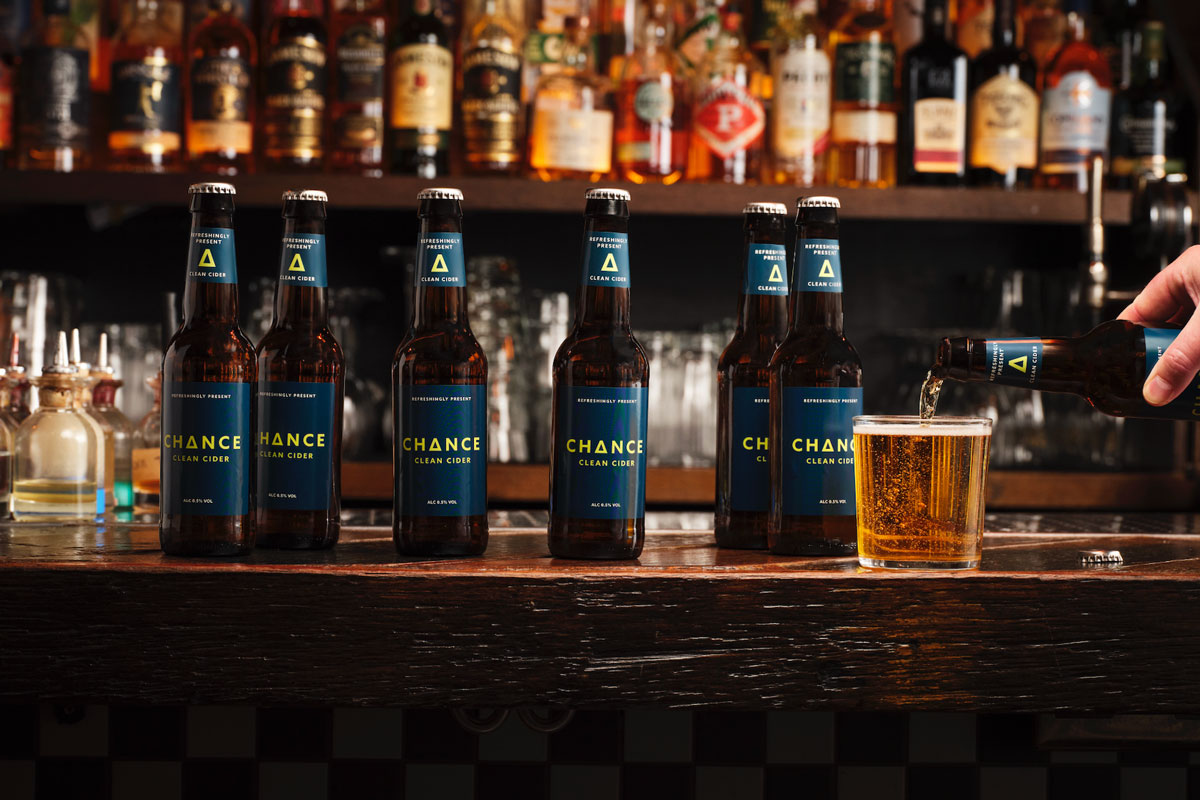
Ian Melville, managing director of Base Spirits Collective, the distributor of Chance cider, agreed.
He said: “People still want flavour and occasion; they’re just not always looking for alcohol; some of the groups we work with are seeing a significant rise in their sales in this space.”
Melville added that non-alcoholic drinkers ‘are the driving force and decision makers of the group’.
“It’s not just about the one not drinking, it’s the fact they choose the pub the group goes to and for how long. Catering for the one brings you the entire group and ensures they stay!”
That was supported further by Serena Smith, head of category, on-trade, at Heineken UK, who said the no and low category ‘continues to be a growing, critical part of any on-trade outlet’s offer’.
“Crucially, No & Low is not simply a trend, it is a strategic enabler,” said Smith.
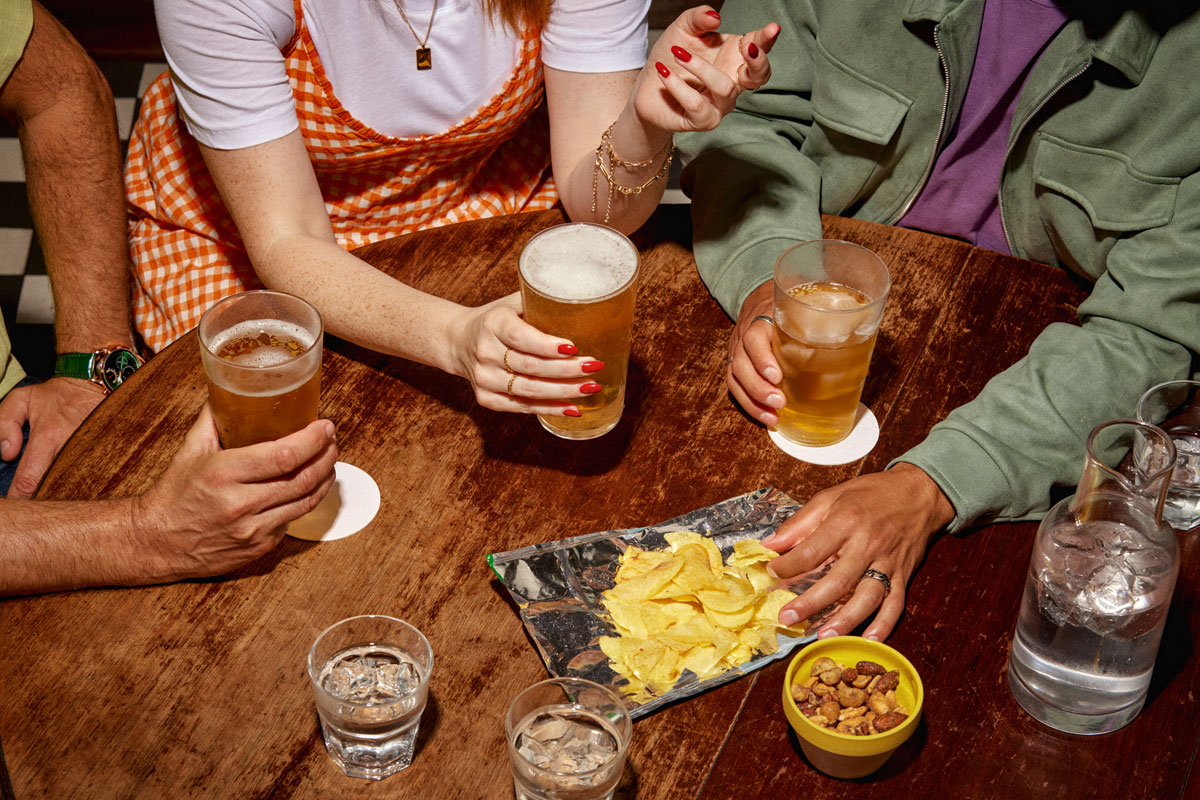
“It ensures there is a credible option for every consumer at the bar, supporting more inclusive group occasions and allowing operators to retain spend that might otherwise be lost.”
Like any other product, it’s important that some care is taken to get any no and low-alcohol range right, according to Rosie Fryer, senior brand and marketing manager at Kopparberg.
“Licensees should prioritise premium no and low-alcohol options that deliver on taste, quality and brand recognition,” said Fryer.
“Consumers do not want to feel like they are compromising, so visibility, serve and staff confidence are all important.”