By Gordon Davidson
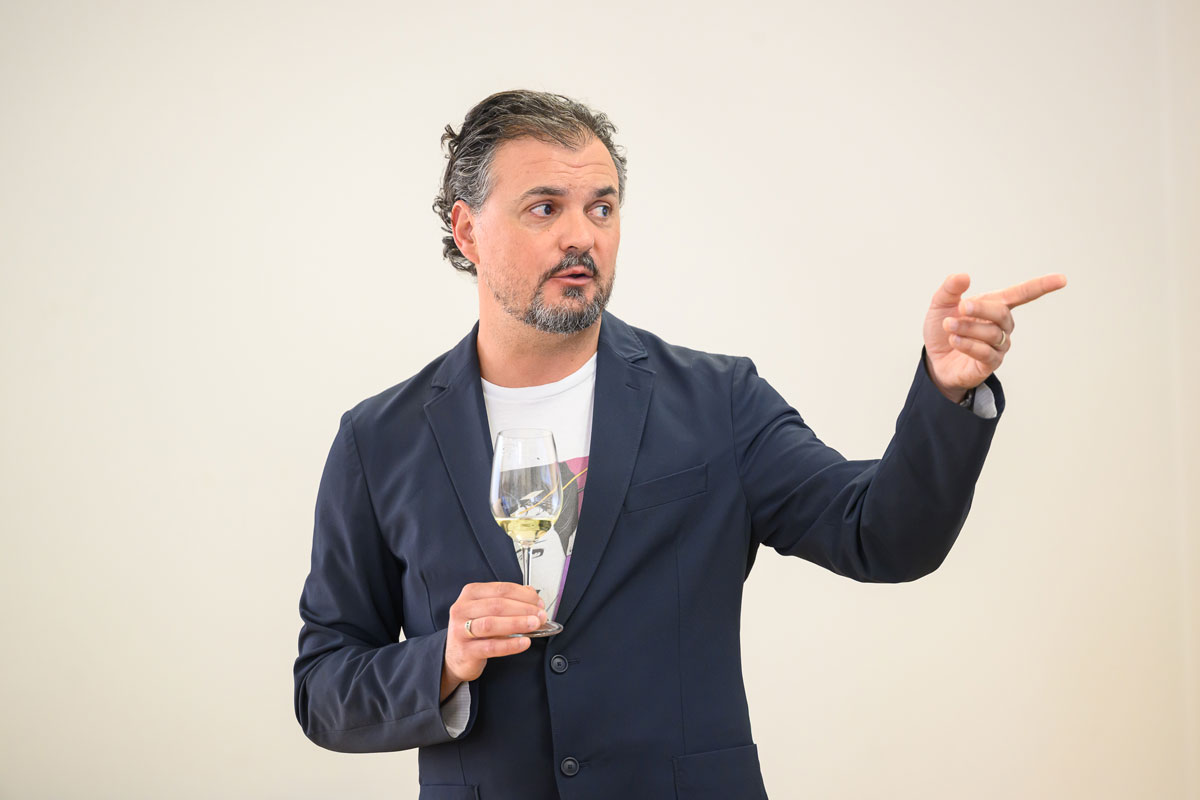
On the surface, João Barroso looks to be the epitome of suave Portugese wine professionalism, dedicated to the business of charming people into buying as much of his region’s wine as possible.
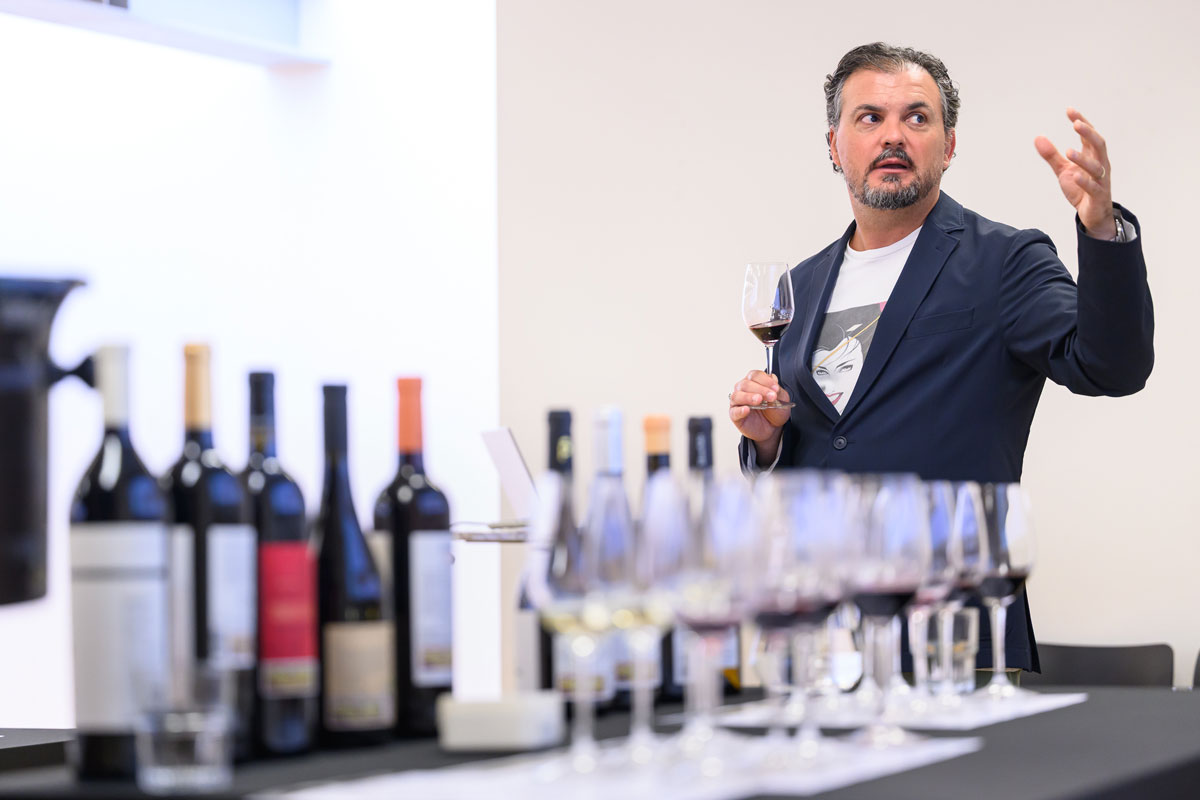
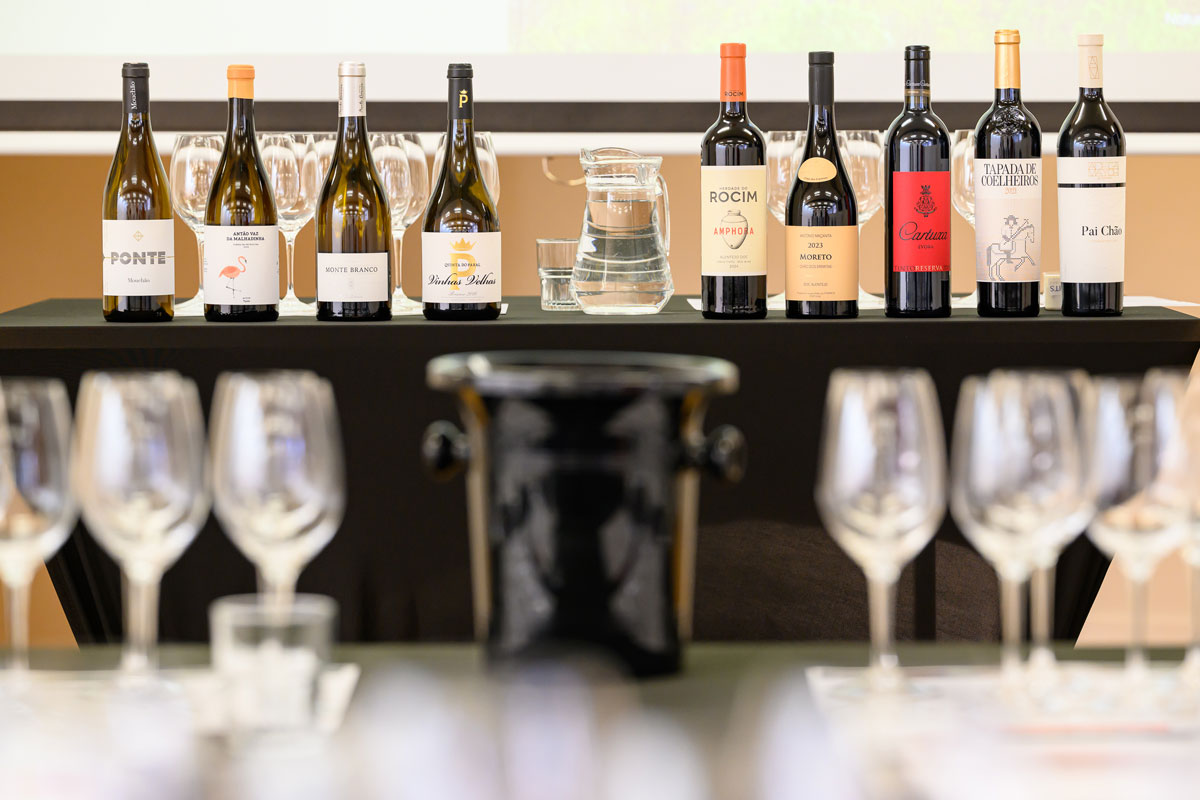
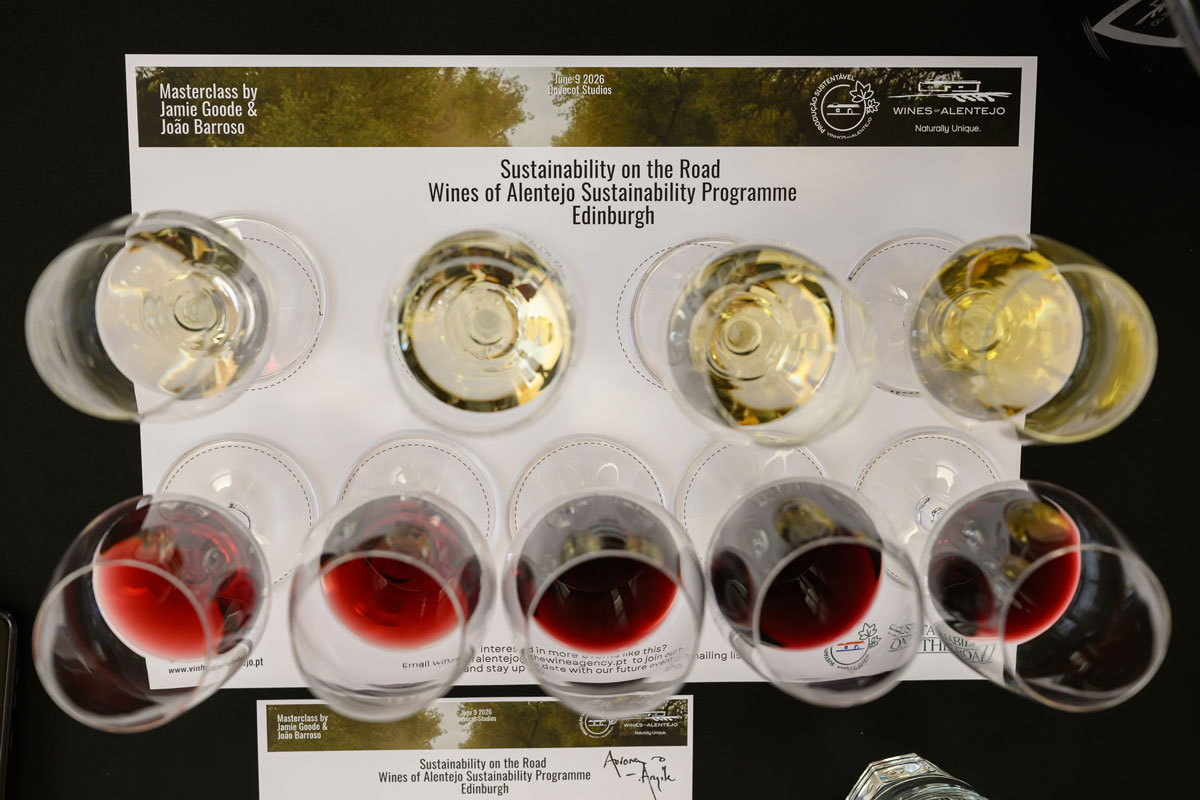
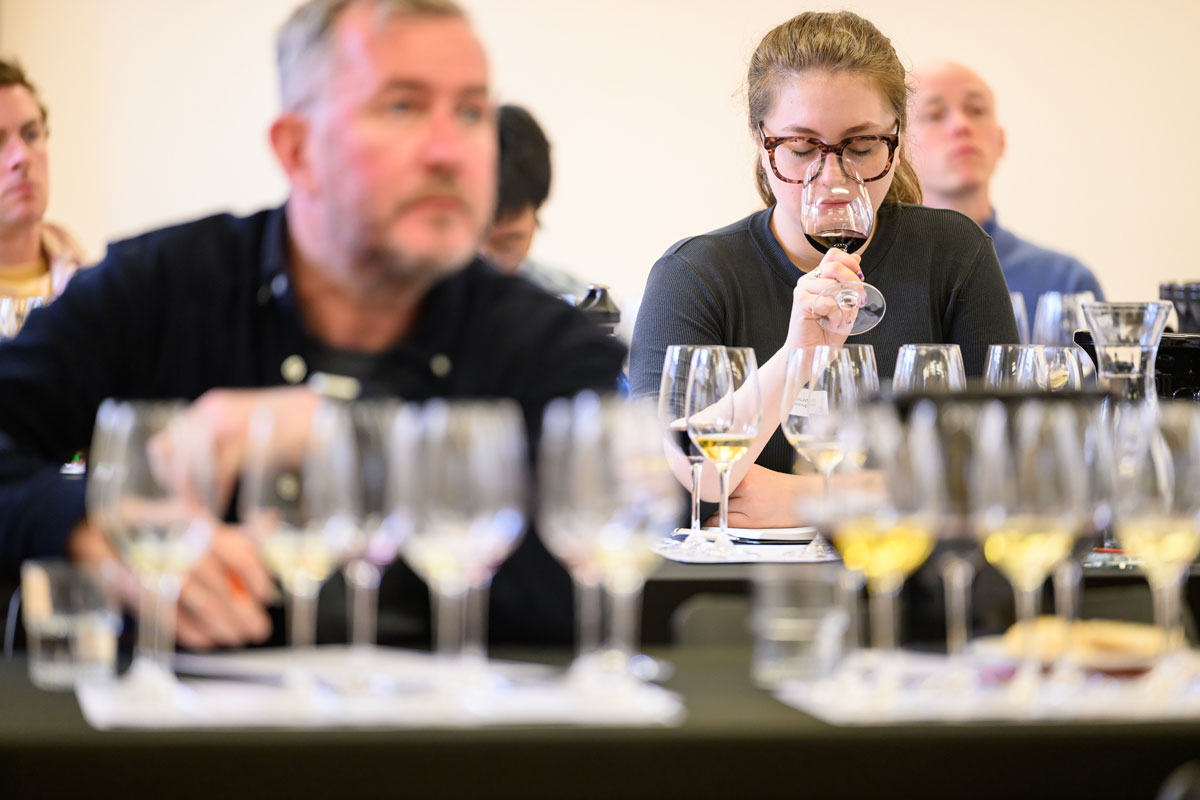
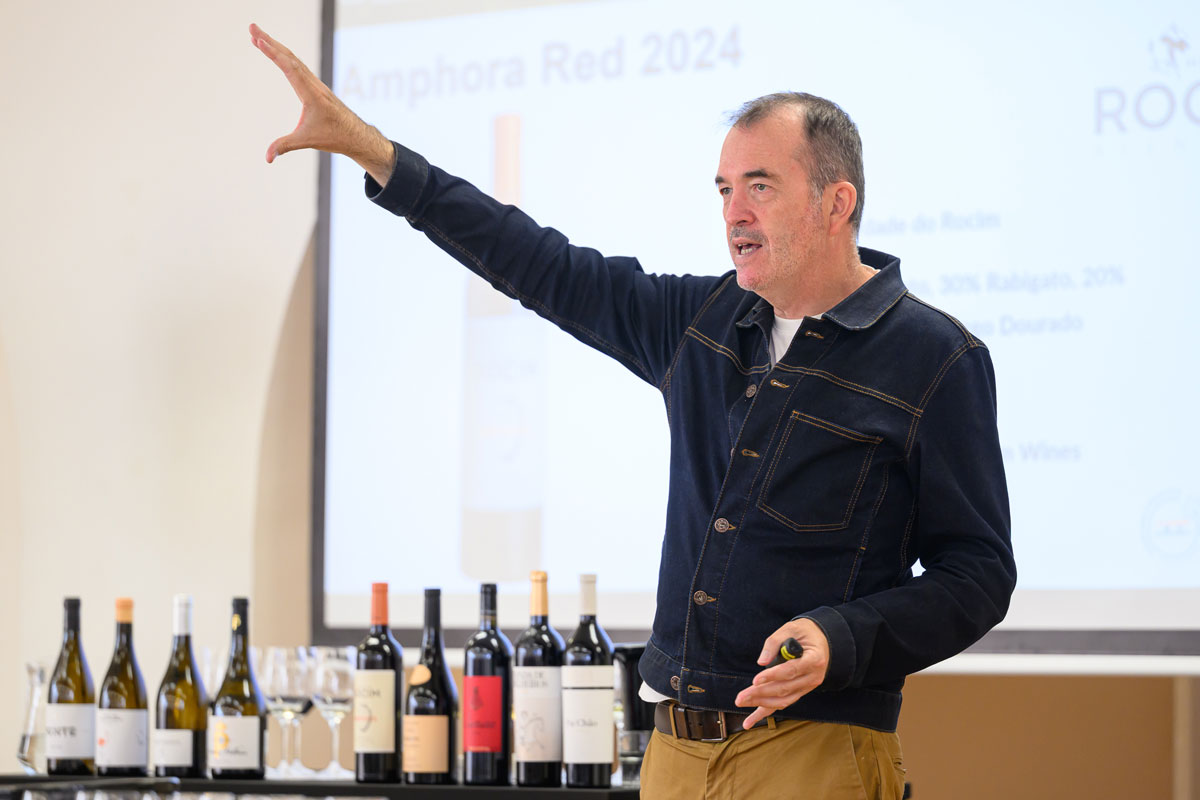
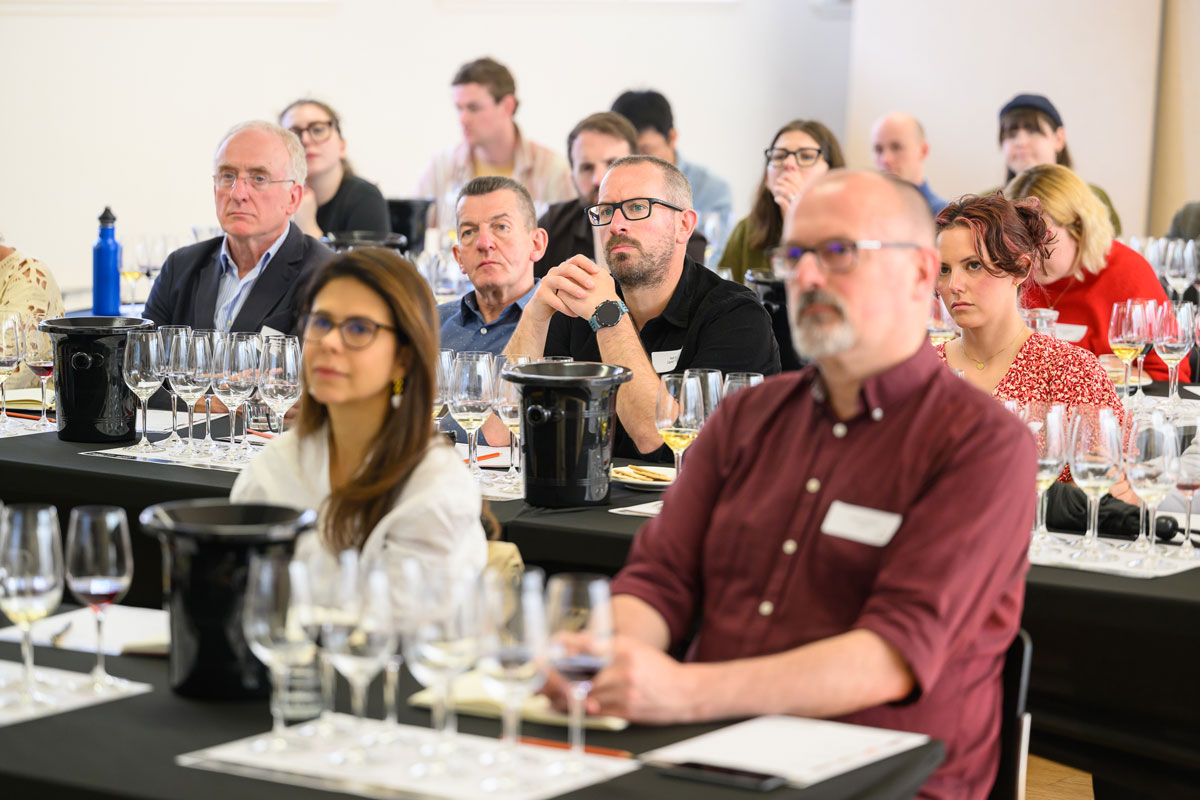
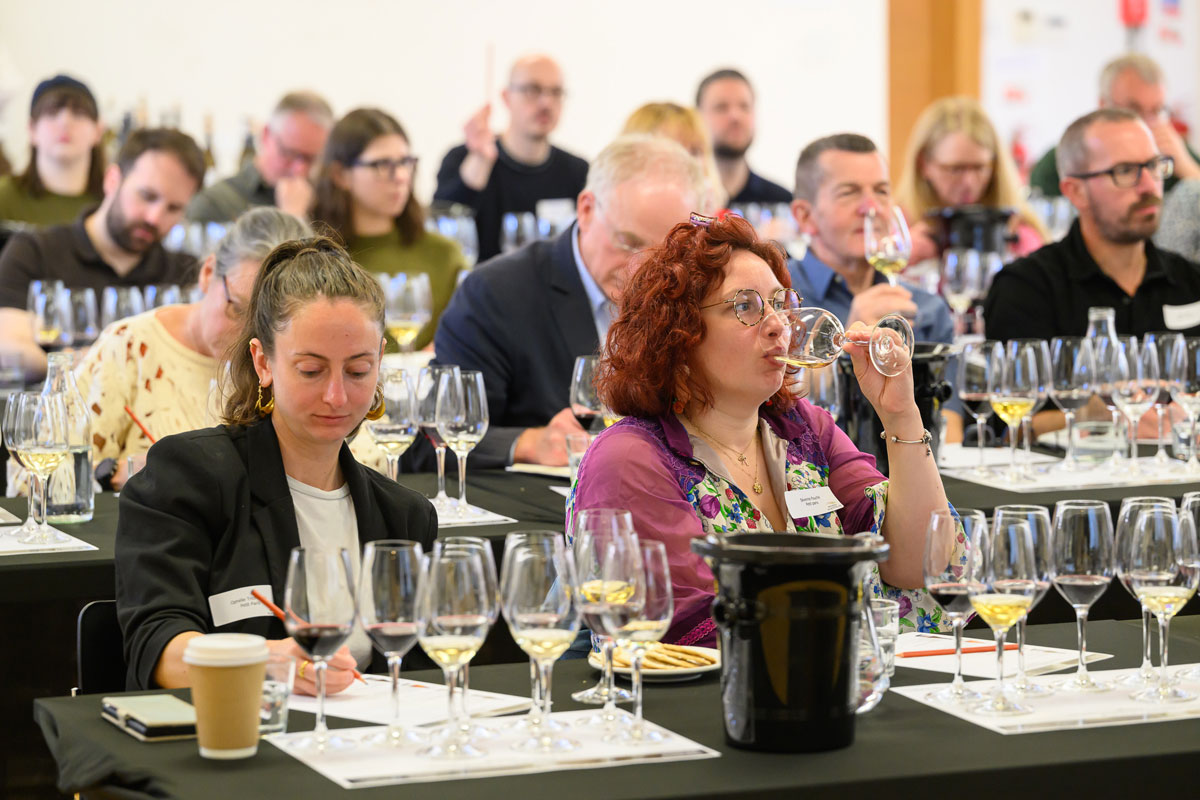
When I first see Barroso, standing before an assembled audience of sommeliers, restauranteurs and wine writers in Edinburgh’s Dovecot Studios, with rows of gleaming sampling glasses lined up ready to go, and the corks pulled on nine excellent bottlings from the southern Portugese wine-growing region of Alentejo, I was certainly braced for a sales pitch.
But then it strikes me that he’s wearing a very specific combination of clothes – a vintage Duran Duran ‘Rio’ t-shirt under a blue linen sports jacket – that I last saw worn by a heroic character in the Marvel movie ‘Thor: Ragnarok’.
This evokes a particular dramatic scenario, wherein an innovative and morally upstanding scientist (in the film, Dr Bruce Banner) is forced by circumstance (he’s just woken up naked on an alien planet) to wear the discarded clothes of a dissolute playboy (Tony Stark) while he battles to avert the apocalypse.
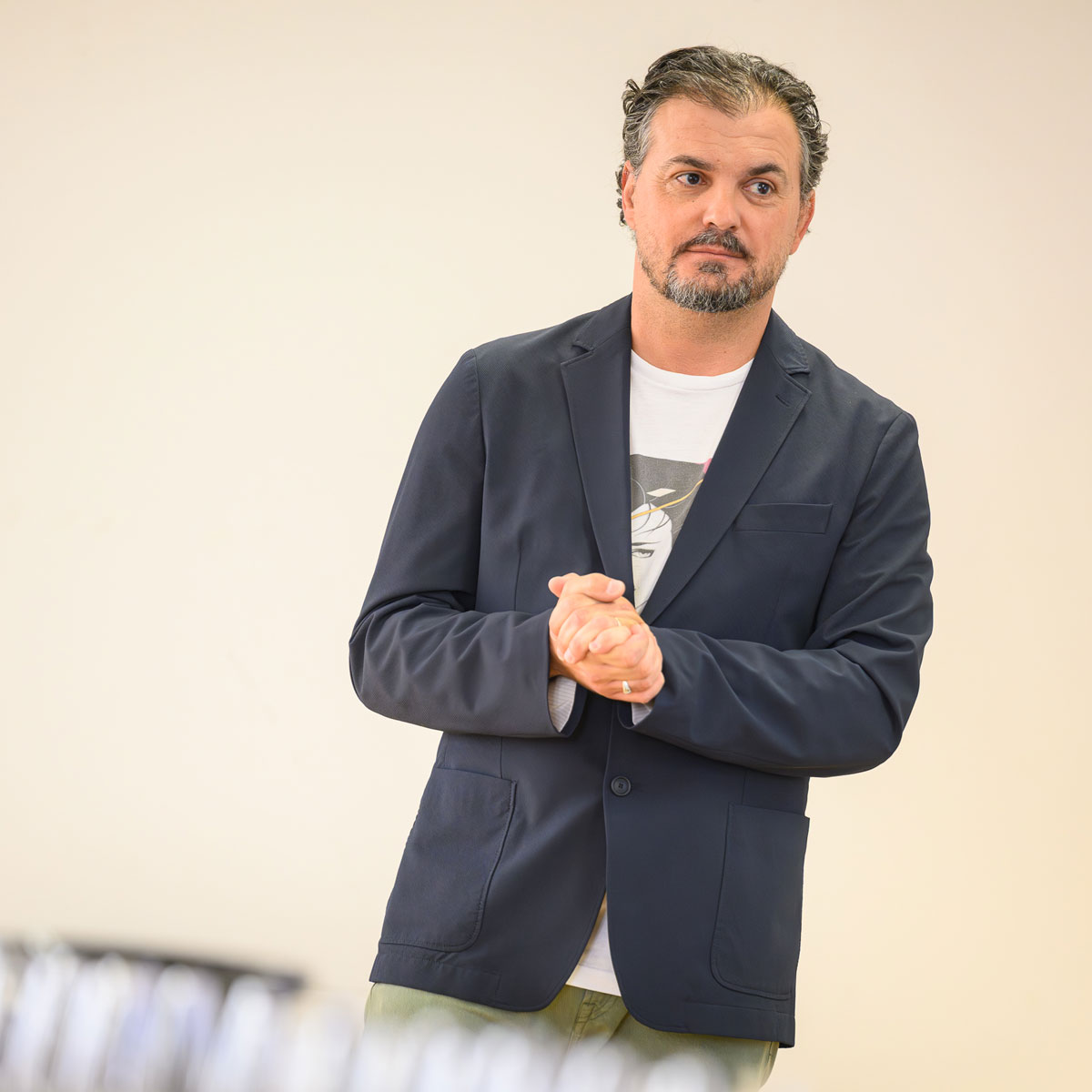
Delightfully, this cinematic reference proves to be an on-the-nail signifier of Mr Barroso’s true character; he may be dressed for a yacht party, but he’s actually here to save the world, starting with Alentejo.
You see, in recent years the Alentejo region has quietly made itself unique within Europe’s wine industry by pouring its heart and soul into an all-encompassing effort to protect and preserve its environment, wildlife and people from the very real threats of climate change.
Its wine production now leads Europe, if not the world, in terms of its sustainability credentials, backed by a green scheme with ‘actual teeth’, rather than a box-ticking exercise for marketing purposes.
And it even has a great acronym – WASP – the Wines of Alentejo Sustainability Programme.
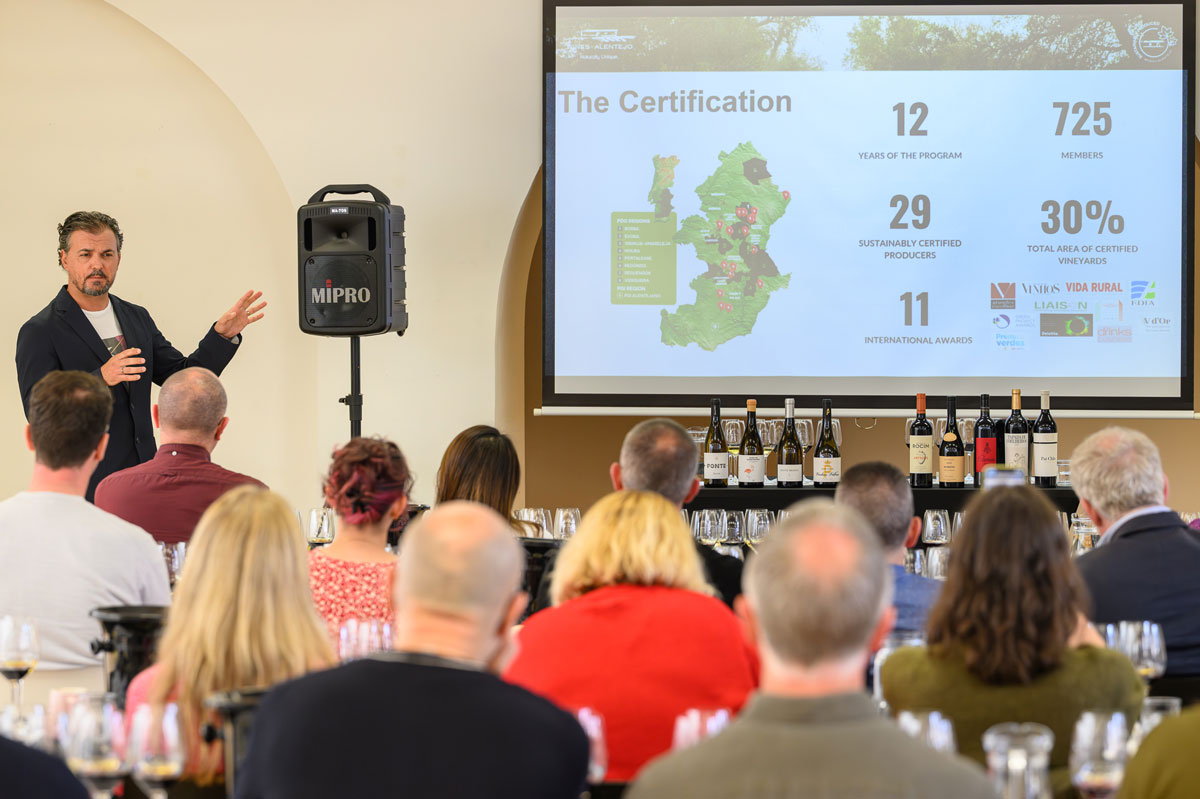
On that sunny afternoon in Edinburgh, Barroso started as he meant to go on: “I really really dislike greenwashing – both as a consumer and as a producer. It is meaningless.
“Because climate change exists. We have been experiencing it. Already, we are having heatwaves, two or three every year, each lasting one to two weeks.
“So I am not here to convince you that it is cool to be sustainable – I am here to say that if we still want to be here in 20 years’ time making this beautiful product, these are the things we must do to make that possible.”
He stressed that the primary objective of the WASP project is not to certify wine so people can buy it and feel good about their green choices – although obviously the winemakers of Alentejo very much want people to buy their wine, and feel good.
No, Barroso is very clear – the main goal of WASP is to build resilience into the region’s wine industry simply so it can survive, bolstered against Southern Europe’s emerging cycle of long droughts and flash floods.
“I don’t want to be alarmist, but science says we’ve reached the point of a 1.5c increase in global temperature, and by 2100, it will have increased by another 2 to 4 degrees,” he notes.
“When it comes to vines and vineyards, a 2-degree temperature rise equals a 25% loss of yield. A 4-degree temperature rise will cause a 40 to 80% loss of yield.
“We are going to see Spain, southern France and Italy start having the same climate as Morocco and the Sahara. Ultimately, in that Old World of wine, just pockets will survive where they won’t lose all of their grape yield – just most of it.”
With a view to making Alentejo into one of those surviving pockets of European wine production, the WASP programme was created 12 years ago, and has been developing ever since.
The region, in Portugal’s south-eastern inland quarter, has 220 wineries all told – but within that there are twenty big estates, and getting them on board has helped with the pursuit of sustainability at a larger scale.
So far 30% of the region is WASP-certified, which is already a unique concentration of sustainable producers in comparison to the tepid uptake of similar green measures in the rest of the EU industry.
A key facet of Alentejo’s sustainable wine production is that it does not just cleave to the criteria behind labelling buzzwords like ‘organic’ or ‘biodynamic’. It certainly uses some of the same techniques, but the WASP scheme has far wider scope.
It covers all aspects of sustainability, from the basics of preserving the water supply and reducing chemical use, to protecting and enhancing native wildlife, using green energy throughout the production process, and ultimately nurturing the rural communities that provide the industry’s workers, while avoiding financial investment from ‘militarised’ sources.
To achieve this comprehensive range of commendable aims, WASP has 170 or so measures, both low tech and high tech, that aspirant member producers must seek to adopt – and the current required standard for certification is that they meet at least 86% of them.
“For some reason, ‘biodynamic’ and ‘organic’ is sexy for the public, but regenerative production is still not understood well enough to have the same sexiness,” said Barroso.
“Organic, biodynamic, you are looking at certain specific aspects of the vineyard – whereas our more holistic perspective, you look at the soil, the water, the micro-organisms, the macro-organisms, the people, the packaging, the community, the equality.
“For example, you can have a guy who is certified organic, but all his power is from fossil fuels, and he turns over his staff every year… and you can have a guy who uses pesticides, but all his power is renewable, and his staff retention is great. Tell me, which of these is the best guy for the planet?”
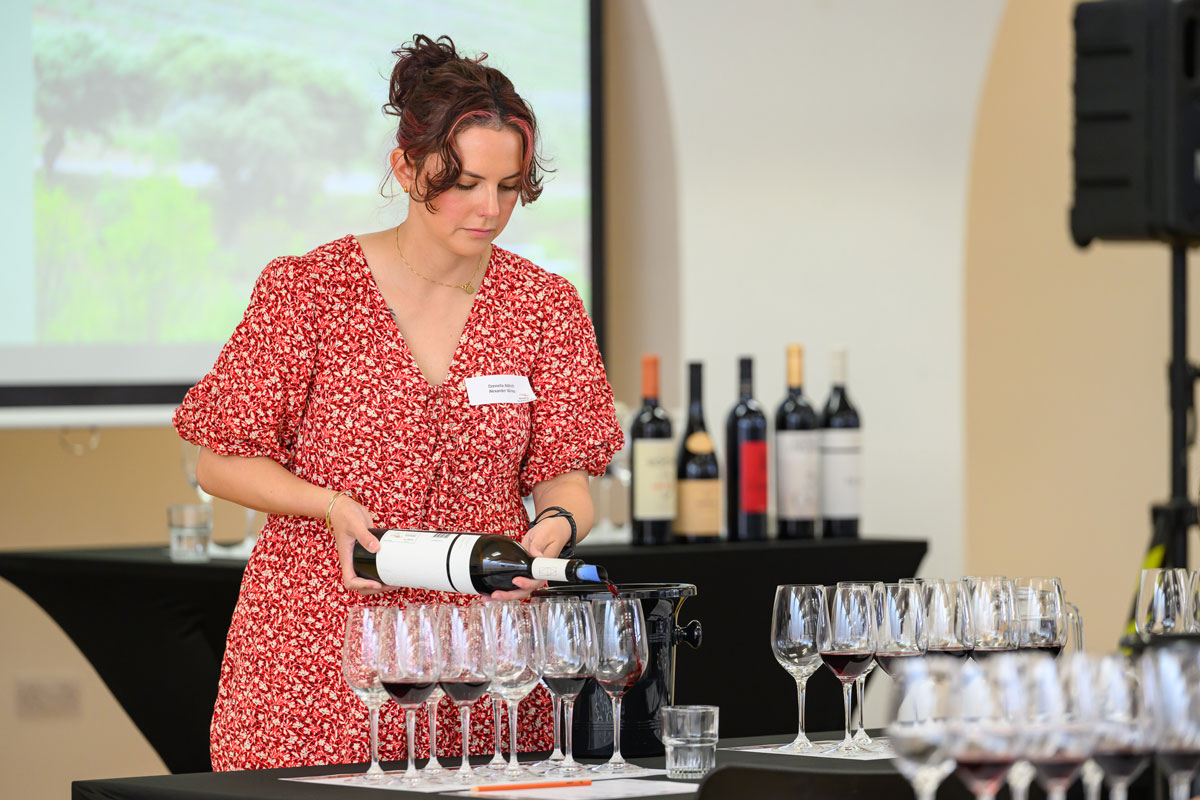
As he proceeded with the Dovecot Studios tasting, Barroso illustrated the WASP ethos with a barrage of sustainability tales from each producer highlighted.
The first pour was a fine white wine, Ponte, from Mouchão, where the 120-year-old cellar only recently got electricity, but still relies on manual cooling: “There’s a guy cycles down at 3am every night to open the vents and fill the cellar with cool night air,” said Barroso.
“The vineyard itself is in the middle of a biodiverse forest – that forest attracts more atmospheric moisture, which is cooling and builds in more drought resilience.
“Many of our members are also planting trees amongst their vineyards, which increases shade and improves biodiversity – the trees fix nutrients and release them back into the soil to encourage the fungal networks around their roots.
“Also, the extra organic matter they add to the soil – each year’s falling leaves help the soil structure. Some vineyards think that trees compete with the vines, but we believe they are complementary.”
The next white sample is from Herdade da Malhadinha Nova, where the vines are stocked with ladybirds, which are voracious predators of aphids, eliminating the need for pesticides.
“Bats eat pest insects too,” said Joao. “So the WASP programme encourages bat boxes, and now we have bat boxes everywhere. We recommend porous ceramic materials, because they are cooler and more cave-like.”
A white from Monte Branco follows, representing the latest winery to be WASP certified, where a deep turf roof has been put over its cellar, which balances the temperature and reduces the need for powered refrigeration.
“In winter, sheep graze within the vineyard, taking down weeds, and adding a lot of valuable organic matter themselves,” added Barroso.
“A cover crop of mustard goes in between growing seasons, which is a plant that fixes atmospheric nitrogen, and refreshes the soil.”
Vineyard sheep are strip-grazed – a controlled system where the flock are moved on to new ground regularly, never getting the chance to take the vegetation down to bare earth.
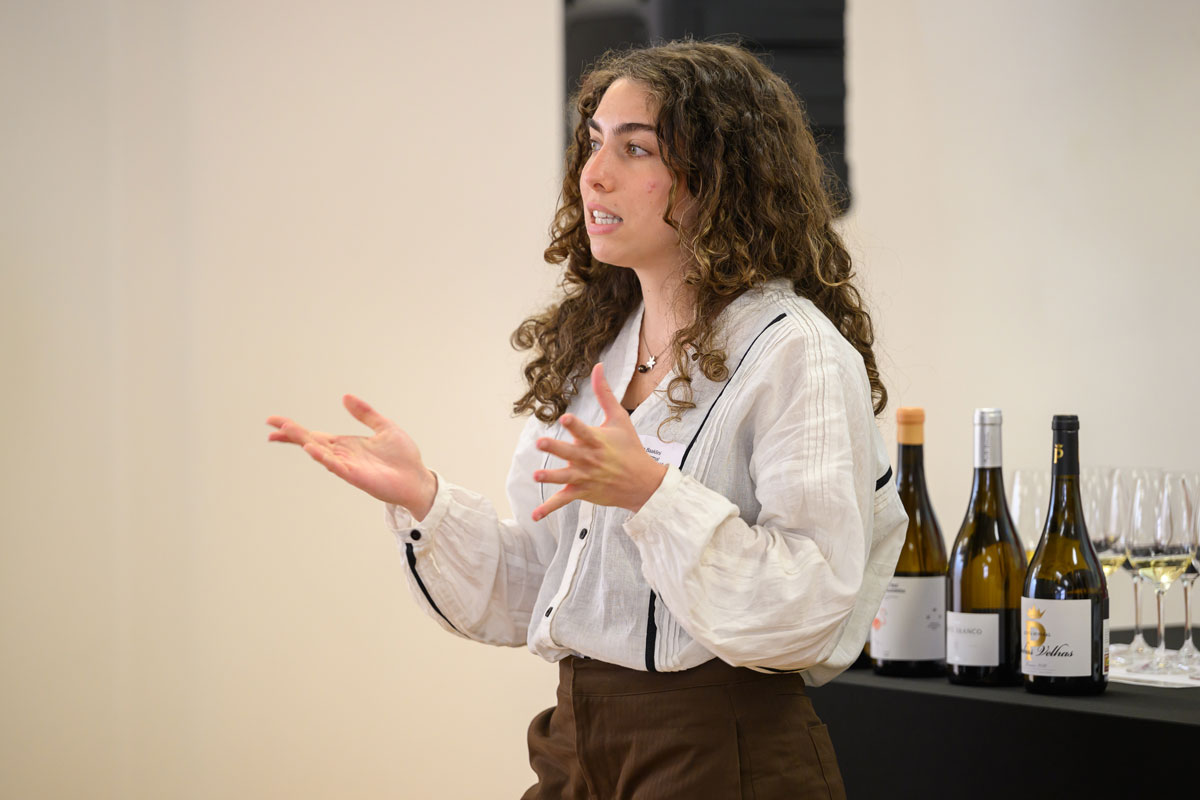
When pursuing sustainability, bare earth is the enemy, as Barroso’s tasting session companion, UK wine writer Jamie Goode, made clear.
“The vineyards of the 70s, 80s and 90s were bare, antiseptic places – and that was a big mistake – it destroyed the soil’s microbiology.
“Southern Europe is now getting rain events that can bring a lot of water very quickly. The soil needs to be ready for that. If there is a lot of organic matter, and a good structure, the ground can soak up floodwater like a sponge.
“But dry bare soil, baked hard on top, if you add a lot of water quickly, you get mud, floods and erosion.”
Quinta do Paral Vinhas Velhas, represented at the tasting by a distinctively dark and oaky white, is known for its old vines – 60 to 70 year old plants – which are deep rooted and resistant to change and drought.
But alongside retaining those wise old plants, Quinta do Paral has also leant into solar power.
“Portugal has a lot of sun exposure, so solar panels are a no-brainer,” observed Barroso. “But it all arrives in the daytime, so you also need batteries to store that power – or a connection to sell it to the grid or direct it to local ‘energy communities’.”
Moving onto the Amphora red wine from Herdade do Rocim, Barroso highlighted the upstream sustainability efforts it makes for the community from which it draws its workers.
That winery spends money on pre-school care for employees’ kids, then buys schoolbooks for both their primary and secondary schools, and funds student excellence awards.
An oaky red Moreto called Chão dos Eremitas follows from Fita Preta, another vineyard that practices agroforestry, alongside regenerative and organic management, with a policy of using older varieties of grape with better native resilience to heatwaves.
Across the region, Barroso said there had been a determined move back towards native grape varieties, after an unhappy spell relying on the vagaries of imported big names like cab-sav and chardonnay.
On the high-tech side, Fita Preta has also invested in vapor washing equipment for their barrels, a change that is saving serious amounts of water.
“It used to take 400 litres to clean one barrel,” Barroso noted. “My family home with three people in it needs 350 litres per day to survive! Saving a whole day’s worth of water for a family is a valuable thing.”
And so it goes on – a Cartuxa Reserva reveals a story of that winery’s extensive local social work, including donating excess solar energy to charity, while closer to home it has buried its vineyard’s irrigation system to minimise evaporation loss; an Adega Mayor, Pai Chão red, tastes great, with grapes grown on vines pollinated by the beneficial insects attracted by the ‘insect hotels’ built by its employees’ children; and a Tapada de Coelheiros Tinto, which comes from a ‘mosaic’ estate, where the vineyards sit alongside olive groves, nutbushes, sheep grazing and forestry, in a synergistic mesh where ‘everything benefits from everything’.
“That place…” Barroso observed “… when everywhere else is dry, that place is still green, because the mix of crops retains moisture.”
Goode reckons that the way Alentejo is producing its wines offers consumers an opportunity to grasp what true sustainability involves: “Wine has an important role to play in educating people about farming and produce. If people can be more connected, they may understand better, appreciate the importance of this work.”
Barroso was more blunt: “In our society, people have the most strength in the way they use their money – you may help decide an election once every four or five years, but every day you vote with what you spend!”
But that is not to say that WASP certified wines are vastly more expensive. Within the industry, the scheme has created an alternative internal market of certified grapes and wine, but those raw materials are usually only premiumised by 2 to 3%, although in some cases the premium can go up to 10%, depending on the buyer.
By the time the liquid reaches the consumer, Barroso reckoned that WASP certification was ‘cost neutral’.
“The wines, for their value, are really quite cheap. It’s a good journey, good quality, for the price that they go into market.”
For producers, he argues, once they are under certification, they are in ‘savings mode’ because so many of the WASP measures replace costly inputs – fuel, fertiliser and pesticides – with naturally available alternatives.
Of course achieving that certification takes some investment, but Barroso suggested that anyone resisting that was being dangerously shortsighted.
“I get asked, why do we boost this sustainable agenda, when it is so costly?
“My answer is, what is more costly? An investment that will help you to save, or a heatwave that burns your entire crop? What is more costly? Losing the crop, or an investment to only lose 5% of the crop?”
In conclusion, Barroso pointed out that, for better or worse, the ‘New World’ of wine was where the most effort had so far gone into creating recognised sustainability programmes – in New Zealand, South Africa, Chile, California, and Australia – although looking at some of those, he questioned the value of any scheme where 90% plus of producers could be signed up…
But in Old World wine’s traditional bastions, France and Spain, the industry had been painfully slow at accepting the need for any kind of change, let alone actioning it.
“In Europe, ours is one of the strongest programmes. And as far as we know, it is the only scheme in the world that has really put regenerative agriculture at its centre.
“Markets like Sweden, Denmark, Norway and Canada are leading acceptance of our certification. WASP has won 11 international awards. It has big credibility. It makes no claims that it cannot prove.
“So we know what we are doing and why we have to do it. We want our communities to keep making and selling this wonderful wine. We see the threat to Europe’s winemakers, and we are trying our best to be prepared.
“What I don’t understand is why we are one of the only ones…”