Outspoken Scots chef Dean Banks offered all his customers a whopping 20% discount last weekend to show just how much VAT adds to every UK restaurant bill.
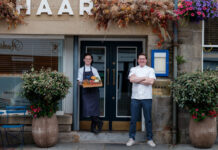
Banks offered the deal across his five restaurants – St Andrews venues Haar and Dune, and Edinburgh’s Dulse Leith, Dulse West End and 1925 at the Pompadour – to demonstrate the positive impact VAT relief would have for hospitality businesses and customers.
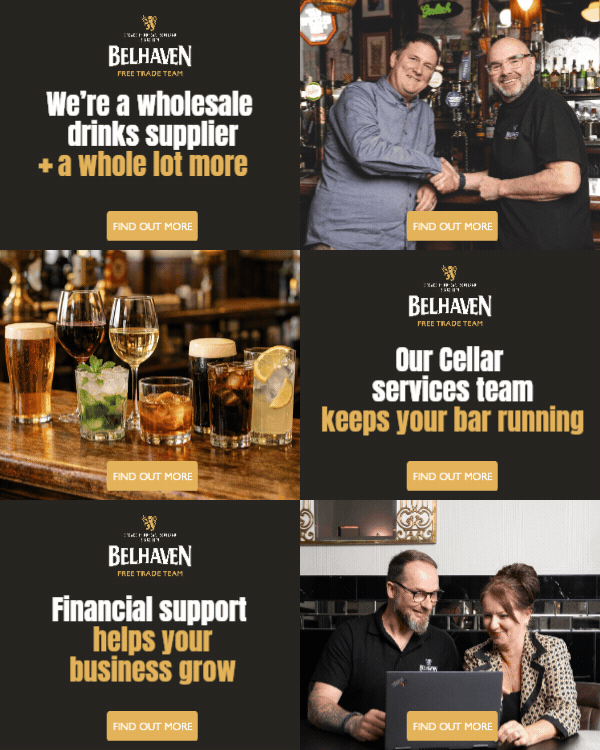

He said: “The discount shows how much of every item we sell is not actually us charging anything – it’s what we are forced to add as VAT, then pay on to HMRC.
“Of course everyone pays tax and we are happy to do that – but it works differently with VAT on food,” explained Banks. “When we buy food in, there’s no VAT on it but we have to add 20% VAT to sell the food on to customers.
“Most businesses pay out VAT on the things they buy in and collect VAT when they sell on – so it balances out, bills are minimal or even owed a balance back. That doesn’t happen for us because of this weird rule on food, so it’s a massive stress with admin, cashflow, pressure and bad feeling because customers think it’s 20% extra profit for us.”
With hospitality businesses continuing to shut down ‘at an alarming rate’ thanks to the spiralling costs facing the sector, Banks was keen to highlight the VAT issue as he feels there is a lack of understanding causing division between the public and business owners.
“We are acting as tax collectors because we don’t have a choice but we are not allowed to show this cost on a menu – we can’t display costs with and without VAT. I don’t understand why that is,” he said.
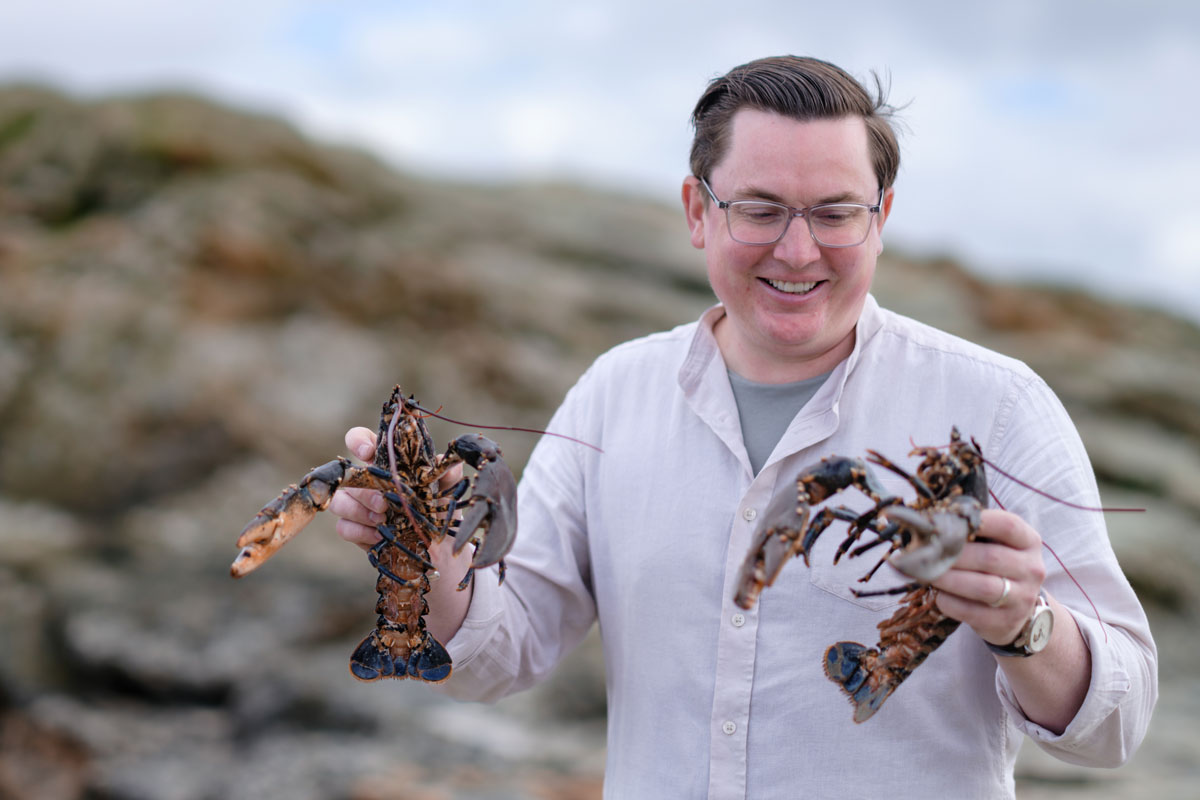
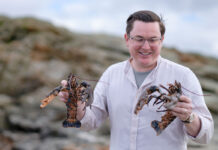
“Transparency is so important – so we are running this offer to show how significant that amount on every menu item really is. If I buy a lobster for £20 and sell it for £24, the difference is purely the VAT.
“If I sell it for £25, I am getting £1 – and I have staff, rates, utilities, other food, everything,” he stressed. “But the customer thinks I am making a fiver so wonders why am I complaining?”
Hospitality sector trade bodies have been campaigning for VAT relief as a means of throwing businesses a lifeline during these trying economic times, and Banks backed calls for a VAT reduction to 10%.
“Even if we could offset our food costs against our VAT bill that would help,” he suggested. “The rise in VAT to 20% may have worked pre Covid, but since Covid and Brexit we have had huge cost increases – utilities are the most expensive in the world here.
Addressing politicians, he continued: “We aren’t asking for handouts. We are just asking for you to not increase costs, taxes, like putting the NI threshold and business rates up.
“This is about sticking up for everyone who has cafes and restaurants, who have built these things themselves. There will be nothing left at all if things don’t change. This is it.”
Of course the massive business rates increases reported across Scotland are a key issue too, as are utilities costs and the rise in minimum wage, national insurance and pension contributions.
“It really could be the end of almost all restaurants, cafes, bars and hotels in Scotland,” warned Banks. “I wonder if that’s what they want really. High streets are dead, independent businesses are struggling so much.
“Retail parks full of massive corporations are thriving. All the pressure is on the little guys.”