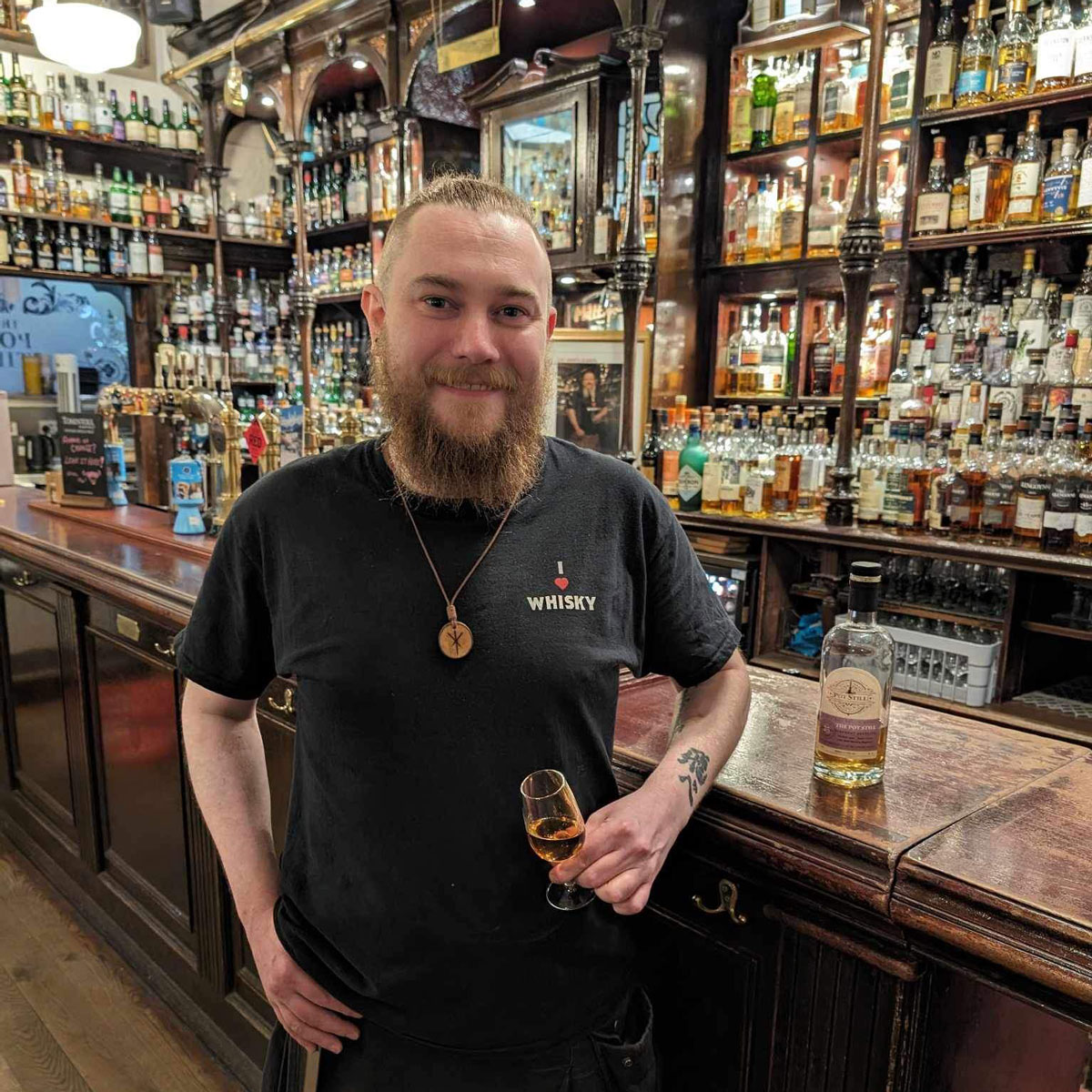
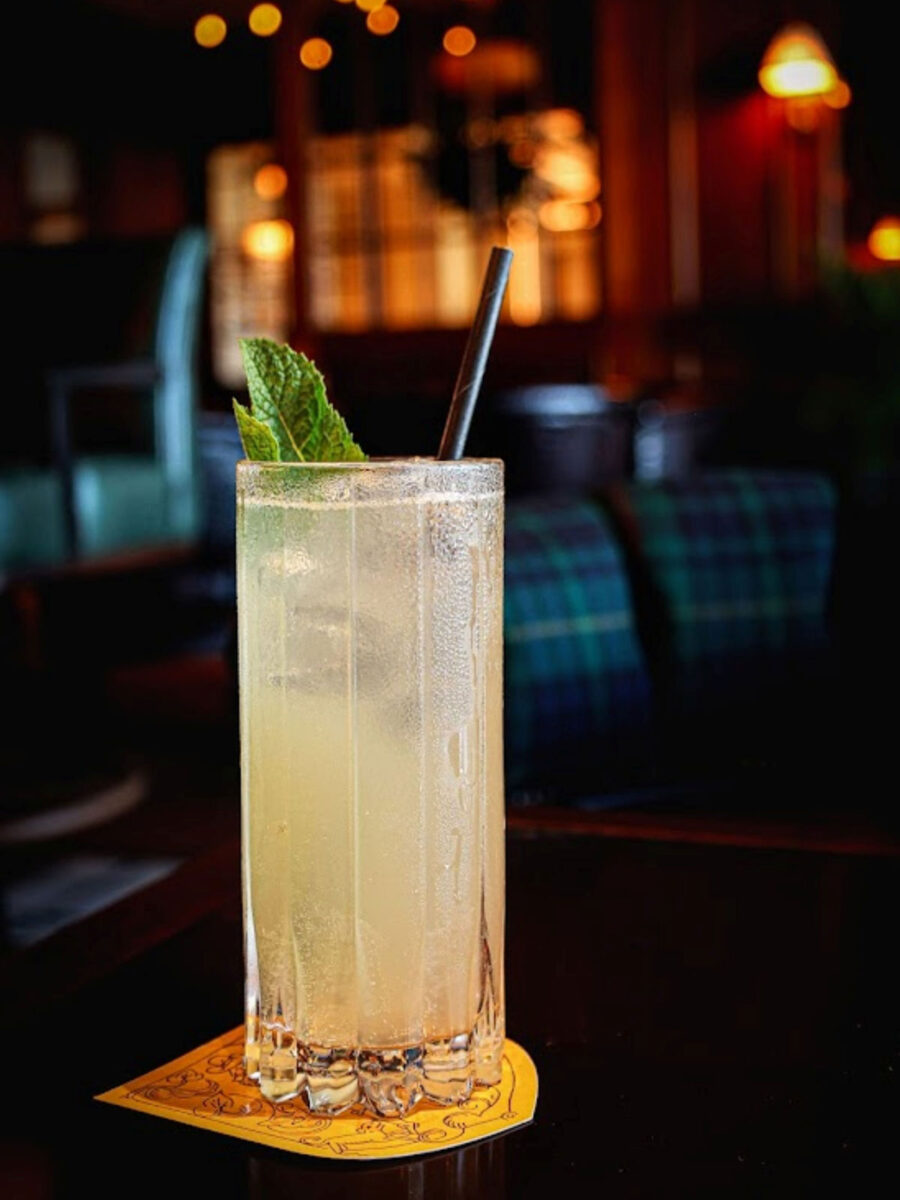
Ten years ago SLTN spoke to a young whisky brand ambassador named Ervin Trykowski, who had just landed a job with Diageo after years behind the bar.
Fired up about his new role, Ervin told SLTN that a big part of his new job was helping to introduce new people to the world of whisky. And one of the most important tools he would have at his disposal to achieve that was the whisky highball.
Though the origins are disputed, the highball was made famous in Japan in the mid 20th century, coming back into prominence in the 2000s.
Traditionally a mix of whisky (or whiskey) and soda served long over ice, the serve was quickly adopted (or re-adopted) by bars in the west as a refreshing way to enjoy a range of spirits while making them more accessible to those who were intimidated by sipping spirits neat.
Ten years after SLTN spoke to Ervin, it seems like he was right about the highball.
“In recent years, the humble highball has enjoyed a major resurgence, becoming the go-to sophisticated and refreshing serve in bars,” said George Bagos of mixer brand Three Cents.
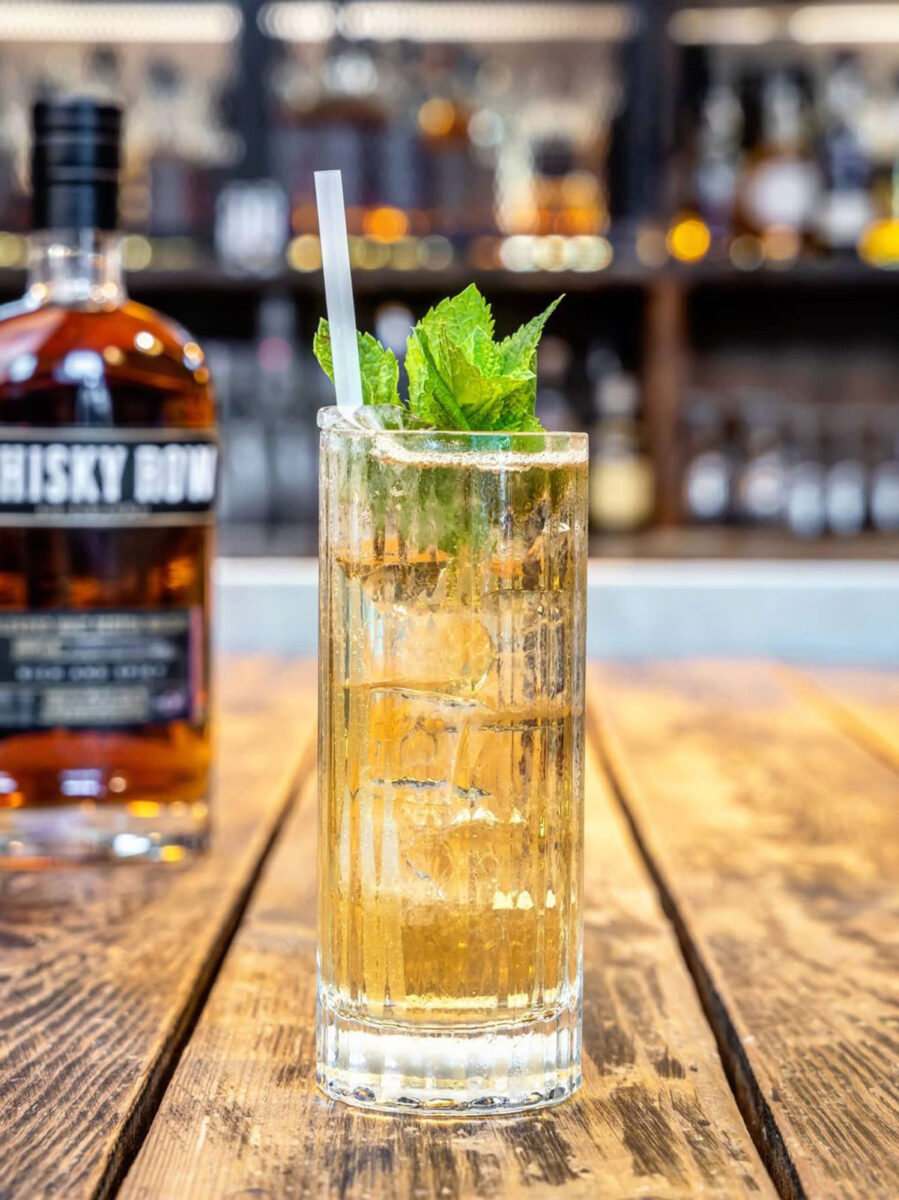
“A minimalist mix of a spirit base, topped with a tonic or soda, the highball offers versatility, balance and a sessionable drink that aligns with modern drinking trends.”
Bagos added that the popularity of the whisky highball is currently being driven by ‘an unlikely audience’ – Gen Z.
“Opting for quality over quantity and favouring luxury experiences, younger drinkers are appreciating modern whiskies in lighter and more approachable formats like the highball.
“Specifically, whisky and ginger ale has seen a recent revival as a trendy mixer and spirit choice.”
That was echoed by Galina Grozdanova of Ian Macleod Distillers-owned single malt Smokehead, who said: “Consumers are becoming more adventurous with whisky and the barriers to trying whiskies and exploring new serves are shrinking.
“Highballs are particularly appealing, therefore, as many whiskies work well as a long drink. This style of serve began with the interest in world whiskies and in particular Japanese whiskies but we find that even smoky Islay single malts like Smokehead are being used in this way.”
In 2026 highball serves are not only a mainstay on drinks list around the country, they’ve also evolved.
“Highballs are no longer a niche or ‘gateway’ serve – they’re firmly established in the on-trade and still growing in early 2026,” said Charlie Wilson of GM Spirits, the company behind brands including Rare Find, Glasgow Gin and Wester Distillery.
“Over the past few years, we’ve seen a real shift in how people want to drink spirits: longer, lighter, and more sociable serves that don’t sacrifice flavour. Highballs sit perfectly in that space. They’re approachable for new drinkers, efficient for bars to execute, and increasingly accepted as a legitimate way to enjoy quality spirits rather than a compromise.
“A big part of that growth has come from a change in whisky culture. There’s far less reverence around the idea that whisky must be taken neat or not at all, particularly among newer drinkers.
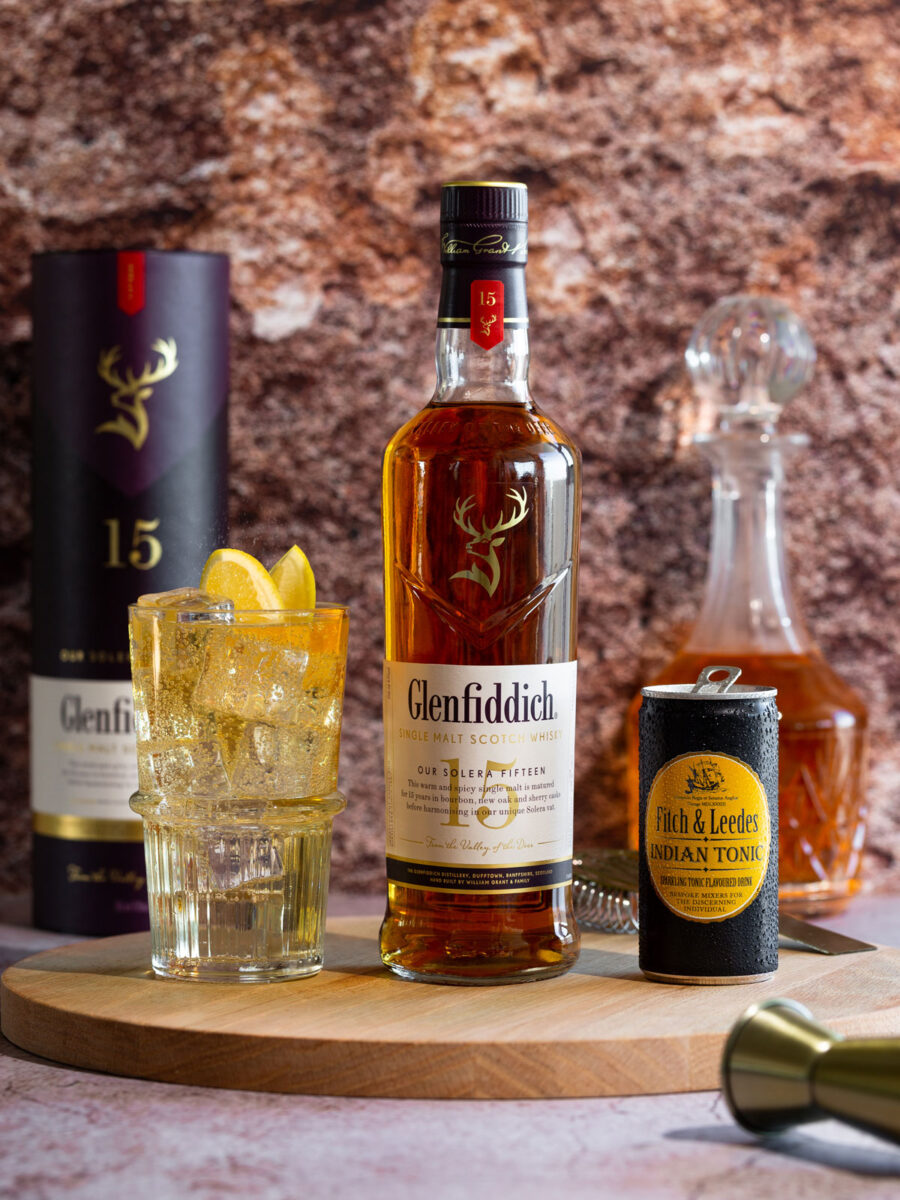
“Add to that the influence of Japanese highball culture, where precision, refreshment and balance are celebrated, and you start to see why the serve has gained such traction.”
While the standard highball consists of ice, spirit and mixer, the contemporary highball can now be a more complex affair.
Ryan McFarland of Drinksology Kirker Greer said: “The highball has evolved from a simple ‘spirit and mixer’ into a sophisticated category in its own right. As we enter 2026, its popularity is at an all-time high in the Scottish on-trade. This growth has been driven by a consumer shift towards long and light serves.
“People are increasingly mindful of their consumption, often ‘zebra-striping’ between alcoholic and non-alcoholic drinks or simply opting for lower-ABV options that don’t compromise on the premium experience.
“The highball fits this trend perfectly because it offers the complexity of a cocktail with the sessionability of a long drink.”
So as the drink evolves, what are the golden rules of the highball?


Dave Morton of South African mixer brand Fitch & Leedes said any great highball ‘starts with restraint’.
“Cold glass, solid ice, lively carbonation, and a mixer that respects the spirit,” said Morton. “If any one of those is compromised, the serve falls apart. There are no shortcuts here.”
At St Andrews venue Seaton House, the team has various criteria their highballs must meet.
Bar manager Matthew Gillan said the best highballs are served in tall, chilled glasses, with the highest quality of ice (large, hard cubes).
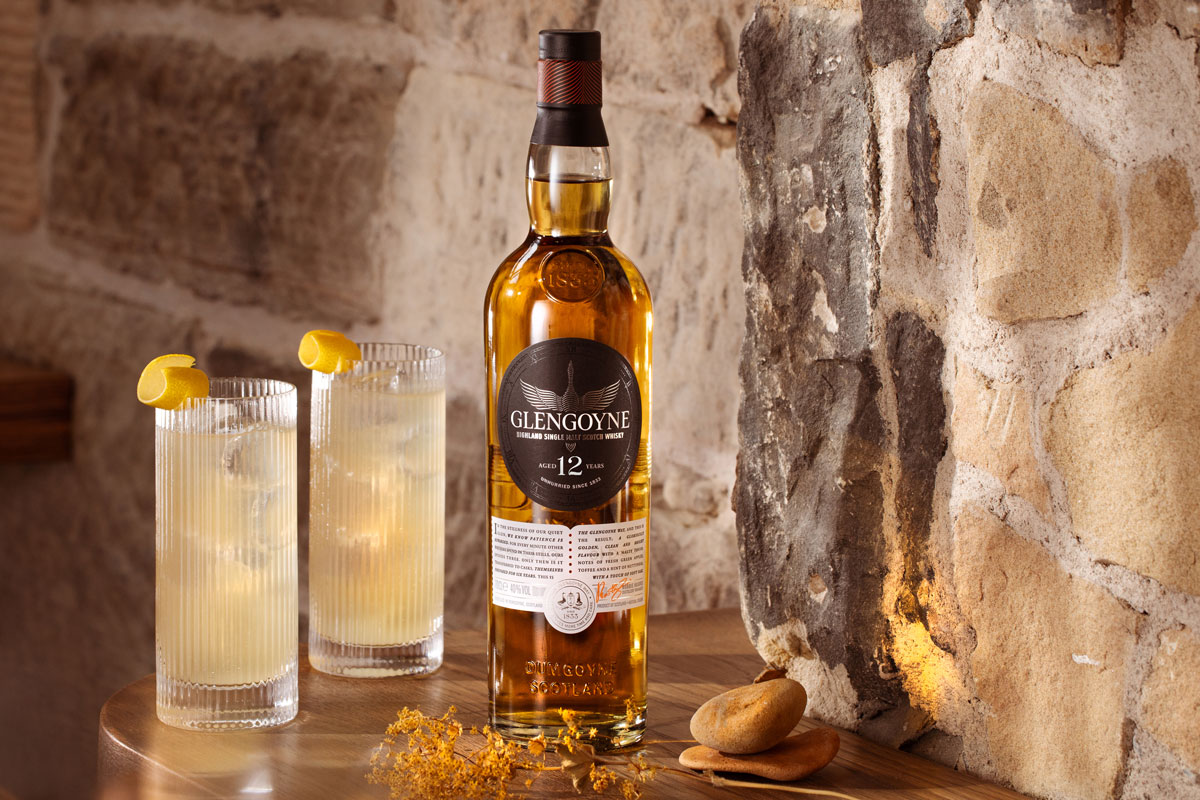
The mixer has to be properly chilled and poured gently down the inside wall of the glass, and the drink should be only stirred once.
“Highballs have evolved from a trend into a core long serve because they make premium spirits, especially whisky, more approachable and social without diluting craftsmanship,” said Gillan.
Others are more flexible. In fact, David Taylor of East Neuk Spirits said that he only has one hard rule regarding highballs.
“The only real non-negotiable is that it has to be refreshing and genuinely sessionable,” he said.
“Highballs fit perfectly with how people are drinking now; more considered, more flexible, less about excess.
“You can dial the alcohol up or down, play with flavour, change the mood completely.
“There aren’t rigid rules; it’s about what you want, when you want it, and enjoying spirits on your own terms.”