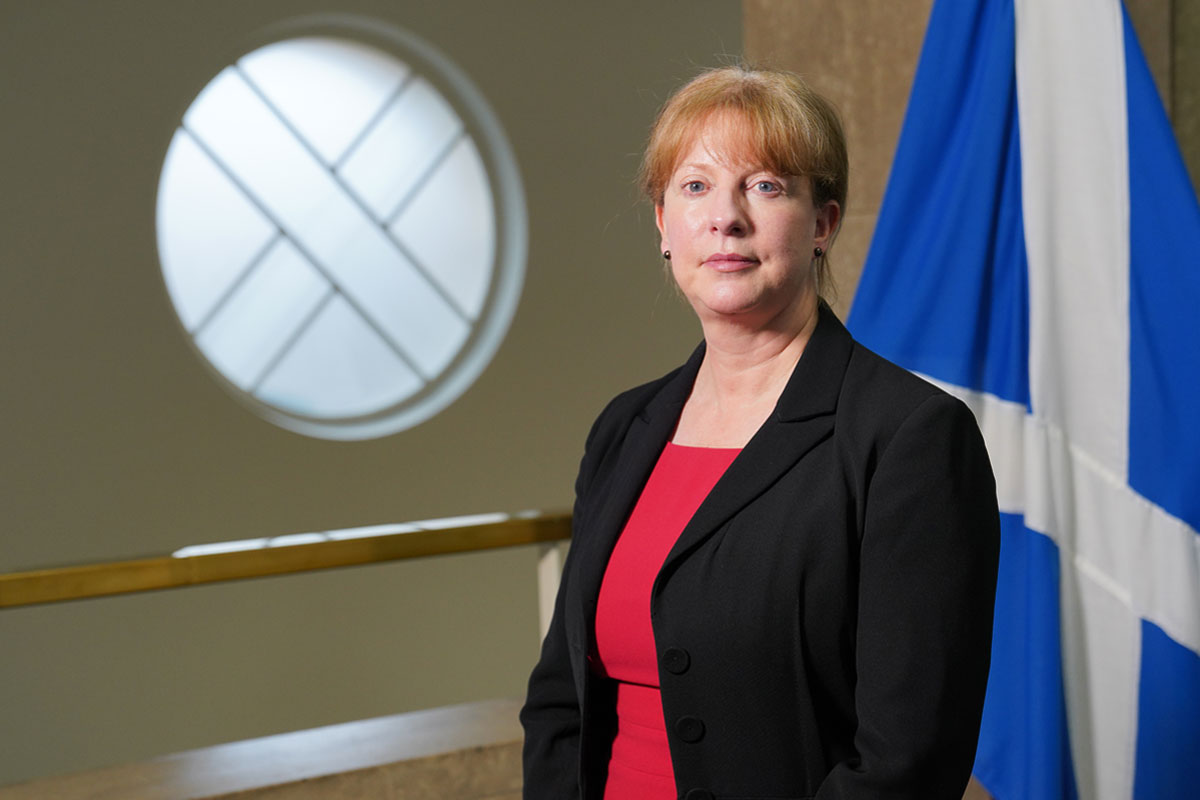
It is safe to say that Scotland’s January Budget did not live up to the Scottish hospitality sector’s hopes.
After the big reveal, the nicest thing any of the industry’s trade bodies had to say about finance secretary Shona Robison’s package was that it was ‘cautious’.
Other responses to the Budget were less generous – ‘a sticking plaster’; ‘disappointing’; ‘goes nowhere near far enough’; ‘falls way short of what is needed’.
What spared Robison outright condemnation was the inclusion of 15% business rates relief for hospitality and leisure businesses liable for the basic or intermediate poundage rate.

The industry had been asking for the continuation of the outgoing 40% rates support package, but getting less than half of what it had hoped for was still, on balance, judged better than getting nothing at all.
There was also one variable left on the table upon which lingering hopes could be pinned – Robison indicated that, should Westminster make good on much-leaked reports of extra help for English pubs, whatever then came to Scotland through the Barnett consequentials system would be passed on to the trade.
But that possibility aside, the overwhelming feeling was of yet another round of political indifference to one of Scotland’s biggest and most beloved commercial sectors.
Speaking from the Scottish Licensed Trade Association, Colin Wilkinson said that the fate of many hospitality businesses – and the many jobs they provide – had been in hands of the Scottish Government and it had once again failed to do anything ‘meaningful’.
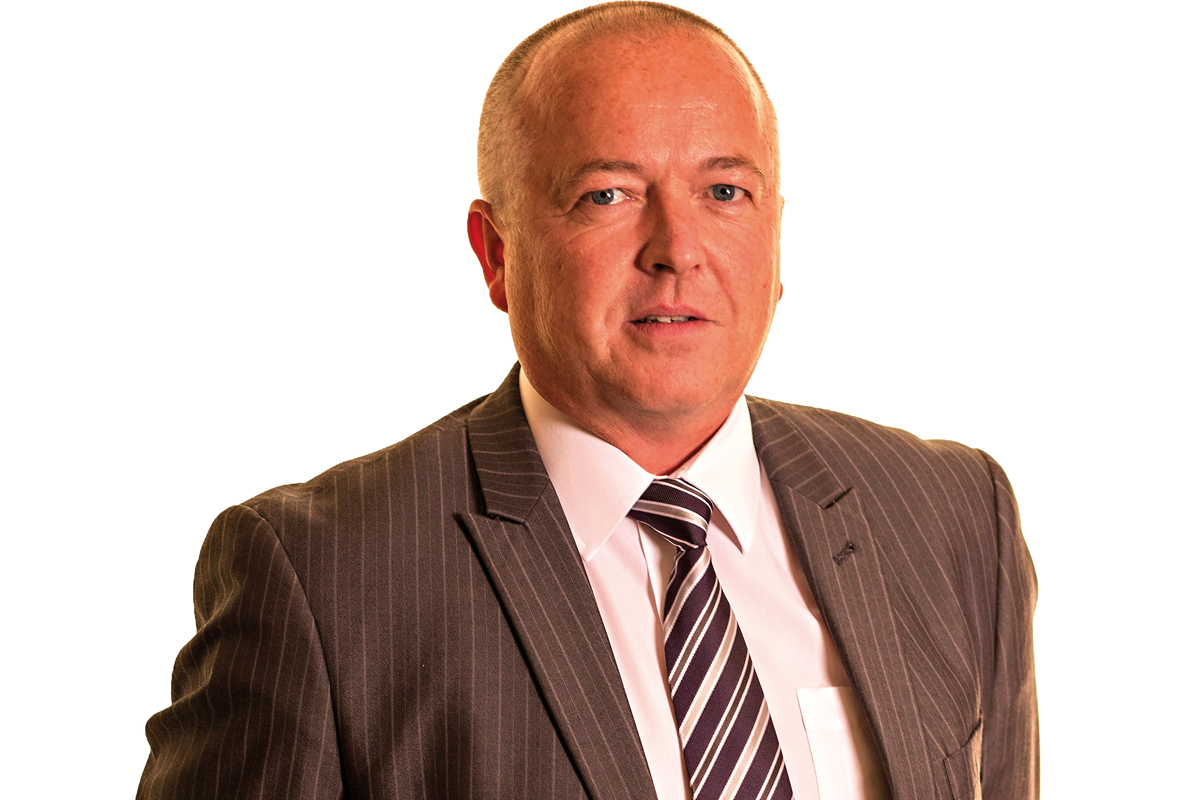
“Of course, we all want to see adequate funding for the NHS and social welfare reform, but the government needs revenue to do that, and if businesses continue to close, cut back on services or opening hours and reduce jobs, coupled with reduced profit margins, where will that revenue then come from?” said Wilkinson.
“Commercial rates, particularly with the new rates revaluations for the next three years, is the hot issue for the licensed hospitality sector. That is why the SLTA and other key industry bodies urged ScotGov to continue with the current 40% support package.
“While there has been a reduction in the basic, intermediate and higher property poundage rates to 48.1p, 53.5p and 54.8p respectively, the sector is still faced with the loss of the 40% discount for some businesses, replaced with a 15% relief in 2026/27 for the retail, hospitality and leisure sector liable for the basic or intermediate poundage rate. This Budget has gone nowhere near far enough to meaningfully help the industry.”
Wilkinson added: “The devil will be in the details following the Budget announcement and will need to be assessed further but it is no wonder there is a very real anger towards the Scottish Government for its failure to provide meaningful support to the sector in Scotland.”
The Night Time Industries Association said that small businesses in the night-time economy would be ‘bitterly disappointed’ that ScotGov had once again ‘chosen to increase the tax burden on an already overstretched sector’.
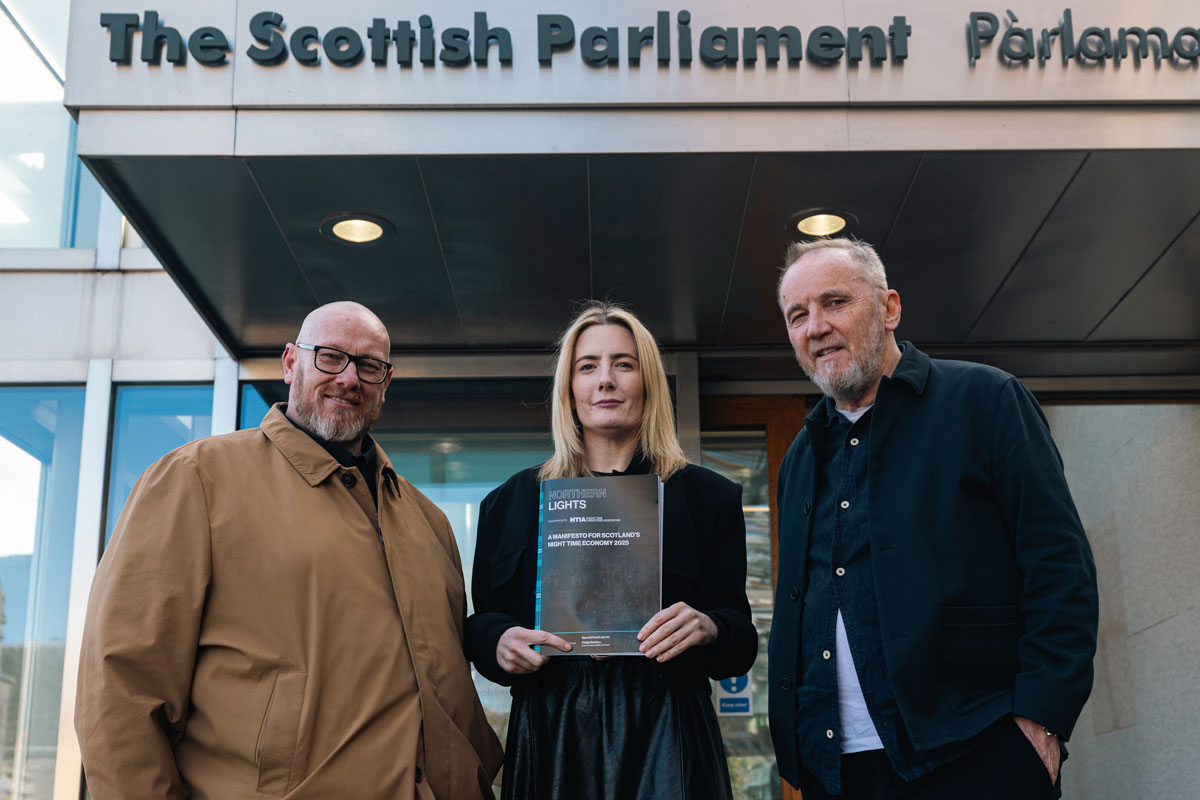
“Reducing the hospitality business rates discount from 40% to just 15% is simply unacceptable and will inevitably accelerate business closures, reduce staff hours, suppress investment and push up prices for consumers,” said NTIA.
“For the past three years, Scottish businesses have faced the least generous business rates support package anywhere in the UK.”
The disparity with England is indeed stark – by NTIA’s figures, at a rateable value of £18,000, Scottish small businesses have paid £11,095 more in tax over the last three years than comparable businesses in England.
At £55,000, that difference rises to £55,687; at £100,000, Scottish businesses have paid £101,250 more; and at £200,000, the gap reaches £210,700 more in tax than English counterparts over the same period.
“This is a sector where only around a quarter of businesses are now profitable, one in three is falling deeper into debt simply to stay open and pay staff, and many self-employed operators are earning below the minimum wage,” said NTIA.
“Yet hospitality and the night-time economy remain the largest employers of young people in the UK, play a vital role in local communities, underpin inbound tourism, and deliver the vast majority of Scotland’s cultural experiences.”
While the NTIA welcomed Shona Robison’s commitment to pass on in full any additional Barnett Consequential funding, it warned that it would still not offset the ‘severely weakened financial position’ facing the sector as a direct result of government decisions over the last three years.
Speaking for Scottish Hospitality Group, Stephen Montgomery said that in the wake of the ‘devastating’ rates revaluation process for many licensed hospitality businesses, ScotGov’s mitigation had gone nowhere near far enough for the larger licensed hospitality premises in Scotland, which in many cases employ the most people.

“We do welcome the Scottish Government commitment to progress the independent review of rates methodology for licensed hospitality ‘at pace’ and we look forward to playing a major part in that review,” said Montgomery.
With regard to the promise that ScotGov would mirror any extra Westminster action to protect pubs, he added: “We would have preferred if the Scottish Government showed leadership rather than waiting for the UK to u-turn first, but we will work with government to improve this package.
Summoning substantial diplomacy, Scottish Tourism Alliance chief executive Marc Crothall MBE, suggested that the Scottish Budget had ‘acknowledged’ some of the intense pressure facing Scotland’s tourism and hospitality sector, but had unfortunately fallen short of introducing adequate transitional relief and support to stabilise the industry.


“In the days and weeks leading up to the Budget, tourism and hospitality organisations, business groups, chambers of commerce, small business representatives and Business Improvement Districts were united in warning that failure to act on business rates would push businesses to the brink,” said Crothall.
“While the Scottish Government has responded with a package of modest short-term mitigation, the underlying issues within the system remain unresolved.
“The introduction of transitional relief, reductions to the basic and intermediate rates, and the modest 15% of non-domestic rates relief for retail, hospitality and leisure businesses will provide temporary breathing space for some, but not nearly enough to prevent potential closures and job losses.
“The continuation of the Small Business Bonus Scheme and 100% relief in islands and designated remote areas will be welcome for the businesses and communities most exposed to rising costs,” he added, accentuating the positive.
“However, these measures do not respond to the scale of the challenge facing tourism and hospitality businesses across Scotland. Relief is capped, time-limited, and does not address the volatility created by revaluation or the cumulative burden of rising costs, leaving many businesses still on the precipice of commercial viability.”
Crothall concluded: “There is no slack left in the system – margins are wafer-thin. Some businesses will try to raise prices, despite consumers having less money to spend, ultimately increasing customer expectations around quality, which raises concerns when the ability to invest and deliver that quality is so constrained.
“Tourism is one of Scotland’s most important economic drivers, capable of accelerating growth and strengthening public finances. This Budget was an opportunity to stabilise the sector and put it on a path to deliver its full economic potential. While some short-term relief has been provided, the opportunity has not been fully realised.”
Executive director of UKHospitality Scotland, Leon Thompson, noted that, once all the sums were done, the inescapable fact was that the majority of hospitality businesses would still be paying higher business rates bills in April.
“The increases to rateable values, often in excess of 100%, bear no relation to the trading environment hospitality businesses are operating in and they cannot trade their way to paying higher taxes.
“The package of reliefs put forward to help mitigate the impact of these increases is merely a sticking plaster to cap eye-watering bills. The increases facing our local pubs, hotels, restaurants and cafes over the next three years are still staggering,” said Thomson.
“I urge the Scottish Government to go further in its support of hospitality, or we will only see job losses and business closures accelerate as a result of our sector’s ever-increasing tax burden.”
 Speaking for the Scottish Beer & Pub Association, Paul Togneri politely welcomed Robison’s concessions to the industry, but agreed with his trade body peers that the overall effect on the sector’s economic circumstances was still going to be negative.
“Over the last four years, Scottish pubs and bars have been at a significant disadvantage to those in England and that cumulative impact combined with the recent revaluation means additional support is desperately needed. For some, it will be the difference between staying open and closing the doors for good.
“Ultimately, the sector needs a permanent solution to the disproportionate rates burden paid by pubs, relative to their turnover,” said Togneri. “The system is broken, and it is costing investment and jobs across the country.”