How are customer expectations changing and how familiar is too familiar?
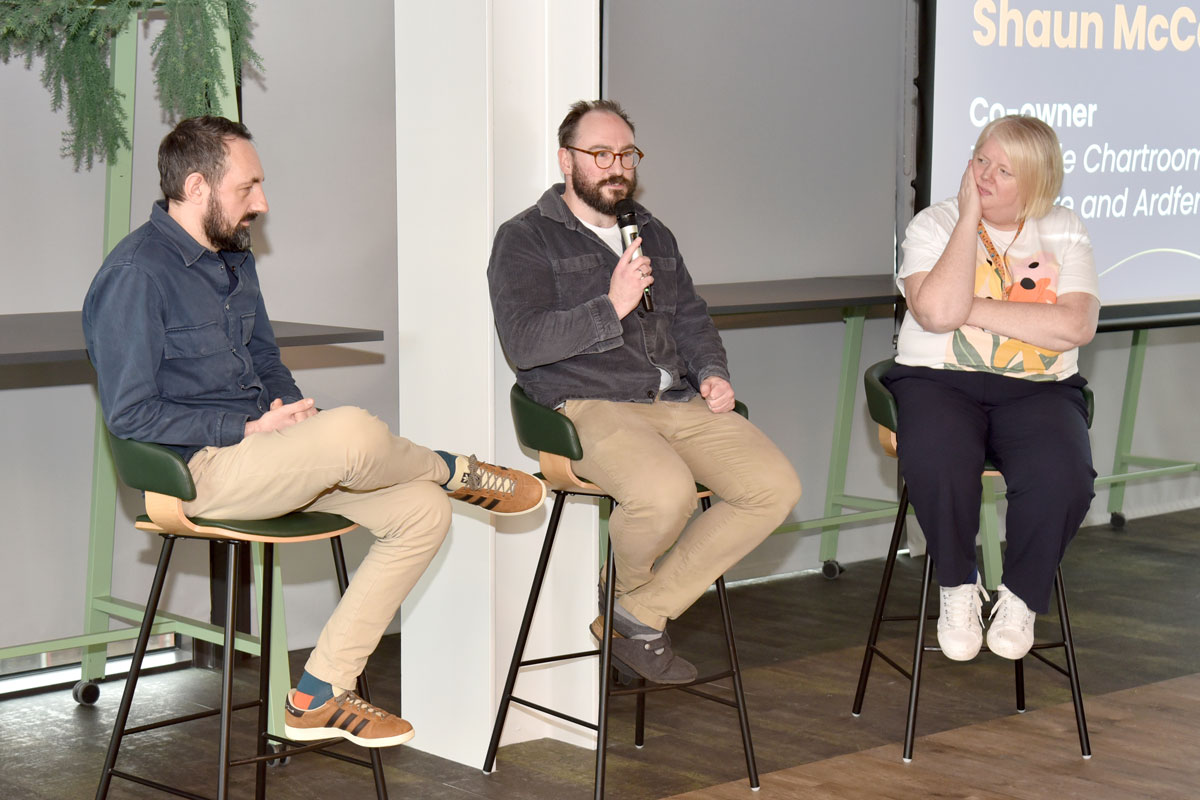
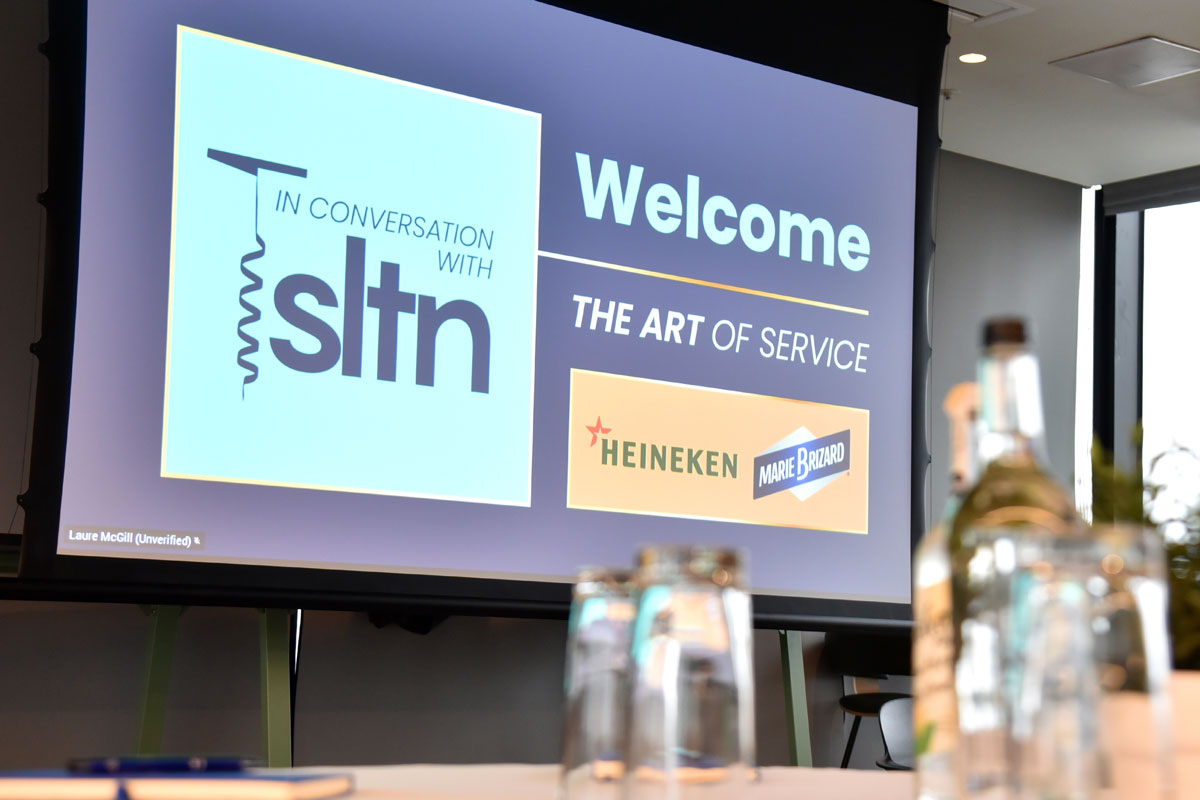
Those were two of the questions SLTN’s expert panel of speakers faced at our recent Art of Service event.
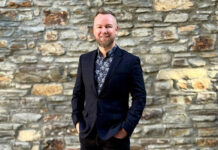
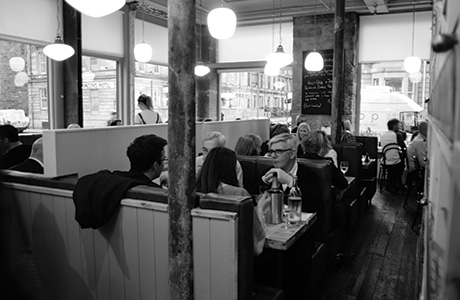
Responding to a question about changing customer expectations, Shaun McCarron, co-owner of Edinburgh restaurants The Little Chartroom, Eleanore and Ardfern, said customer preferences with regard to menus have been changing.
“A big one for us has been the tasting menu versus a la carte menu,” he said.
“We moved to a tasting menu in one of our restaurants and business levels have been good. The Little Chartroom does three courses and five courses.
“I’d say it’s about 25% five course versus 75% three course, which tells me there’s a demand for people who want choice, maybe don’t want to sit in a restaurant for two and a half, three hours. They want it to be a little faster but still have that experience.”
He added that he was “not saying fine dining is dead, by any stretch of the imagination, but I do think habits are changing, and people want that same level of quality, but without all the stuff that comes with it”.
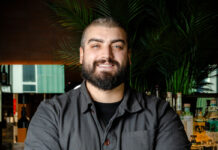
On the drinks side, Mal Spence, food and beverage manager at The Douglas Hotel on Arran, said there has been a growing demand for alcohol-free refreshment.
“There’s been signs that this is coming, and I think Covid was the big catalyst for it, but our sales of non-alcoholic products have really increased,” he said.
“It’s something I’ve been acutely aware of. We only had two non-alcoholic beers when there’s clearly a demand for this.
“So I implemented a really extensive non-alcoholic offering, with beers, spirits, cocktails and prosecco, and hopefully I’m going to add some wine to that as well. And so far it’s been really selling. So it’s something I want to go even further with.”
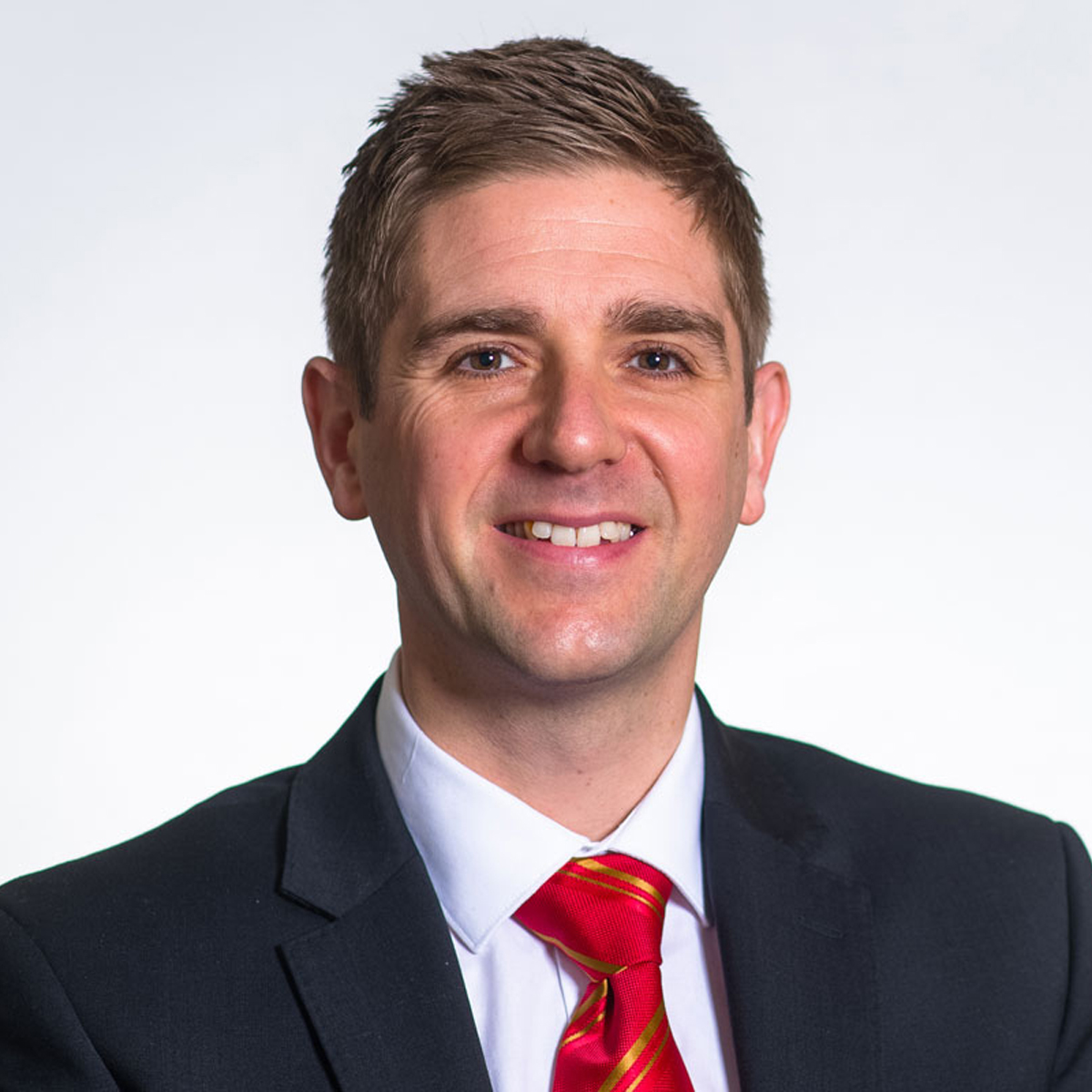
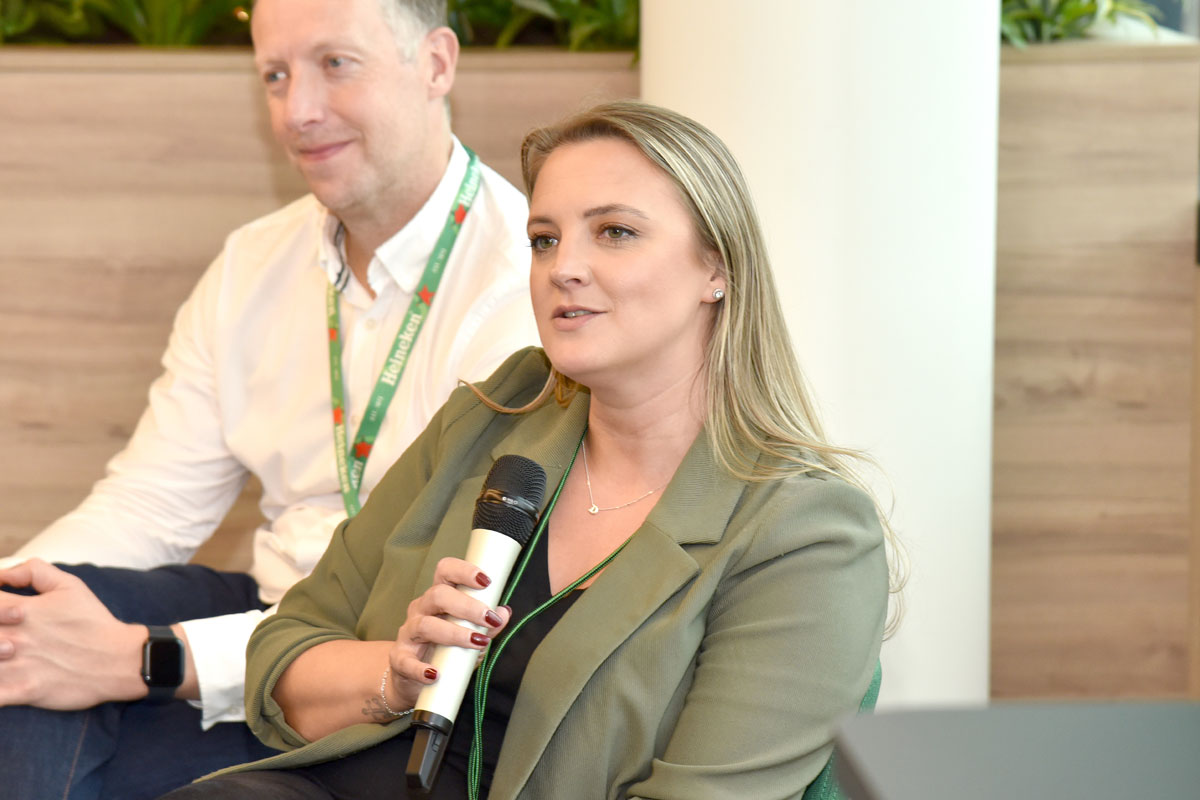
On the subject of keeping in touch with customers via digital communication, Lynsey Reid, customer experience director at Heineken UK, said the company has found that sometimes less is more.
She explained: “We find that less is definitely more, particularly in terms of digital marketing and communication.
“We have loads to say and loads we want to tell our customers, but they don’t necessarily want to hear it.
“So that’s where the customer-centric thinking really comes in, and personalisation.
“So giving people the options to opt in and out of certain flavours of communication is key – so if someone’s particularly interested in offers and deals then that’s what they’ll get, but they won’t get all the other stuff you’re doing.
“Being tailored and specific is important.”

And on the subject of interacting with customers, and the balance of friendliness and professionalism, the panel was asked how they toe the line in terms of how familiar is too familiar when dealing with guests.
In answer, Mal recounted a recent interaction with a difficult hotel guest.
“The guy was being a bit mouthy so I immediately went to the bar to assess the situation,” he explained.
“And he was a young gentleman with a similar background to mine, so I immediately started talking to him in a way that I would not necessarily talk to a guest, but somebody from my background. And the difference in his attitude and his demeanour changed completely.
“The example I used to the (staff) was, you don’t have to be closed door, fully professional. Sometimes you just have to address people as they’d like to be addressed. Sometimes it’s just about meeting different people on different levels. And sometimes you have to go pretty low, unfortunately.
“But that situation was handled very quickly and very amicably, just by actually speaking to him at the same level.
“So the line between professional and overly-familiar has to (change) depending on the situation itself.”
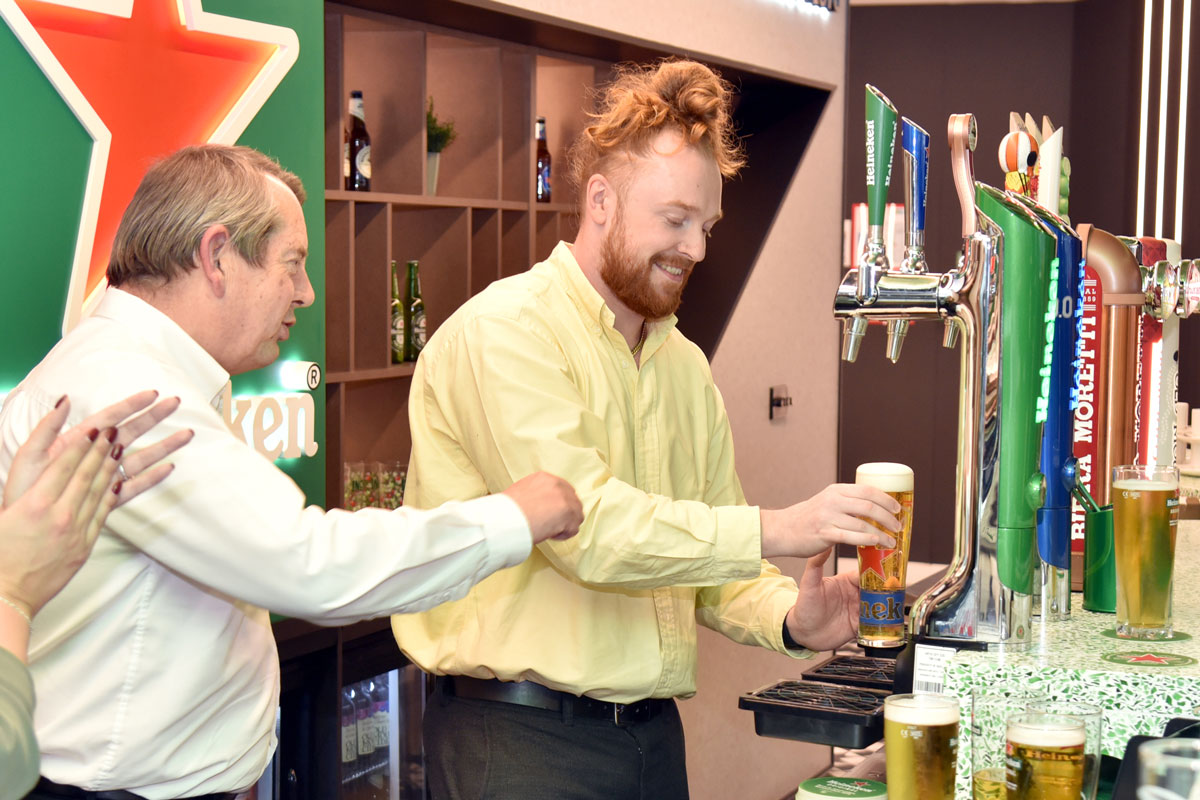
The discussions were followed by a perfect pour training session by Heineken UK’s Gary Smith.