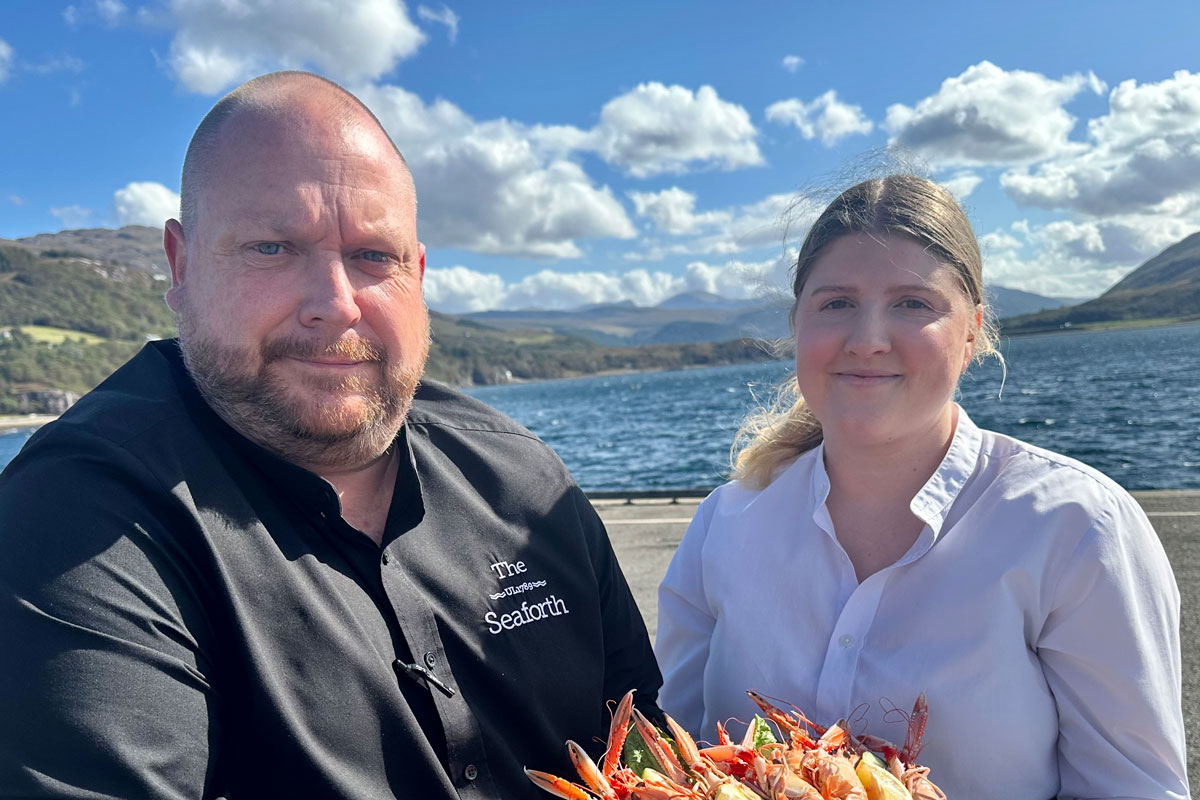
With hospitality businesses growing increasingly conscious of the need to limit their environmental impact, Ullapool restaurant The Seaforth recently undertook an audit of the food miles involved in feeding its customers.
To meet the sustainability goals set by its owners, the Turas Hotels Group, the restaurant had challenged itself to source all shellfish and meat from within an average of 130 miles of its village harbour.


It narrowly succeeded – by 11 miles! While the meats used in the restaurant and chip shop did exceed the goal by 46 miles over the two-week challenge, the low average tally for its locally caught shellfish tipped the scales back in favour of the team.
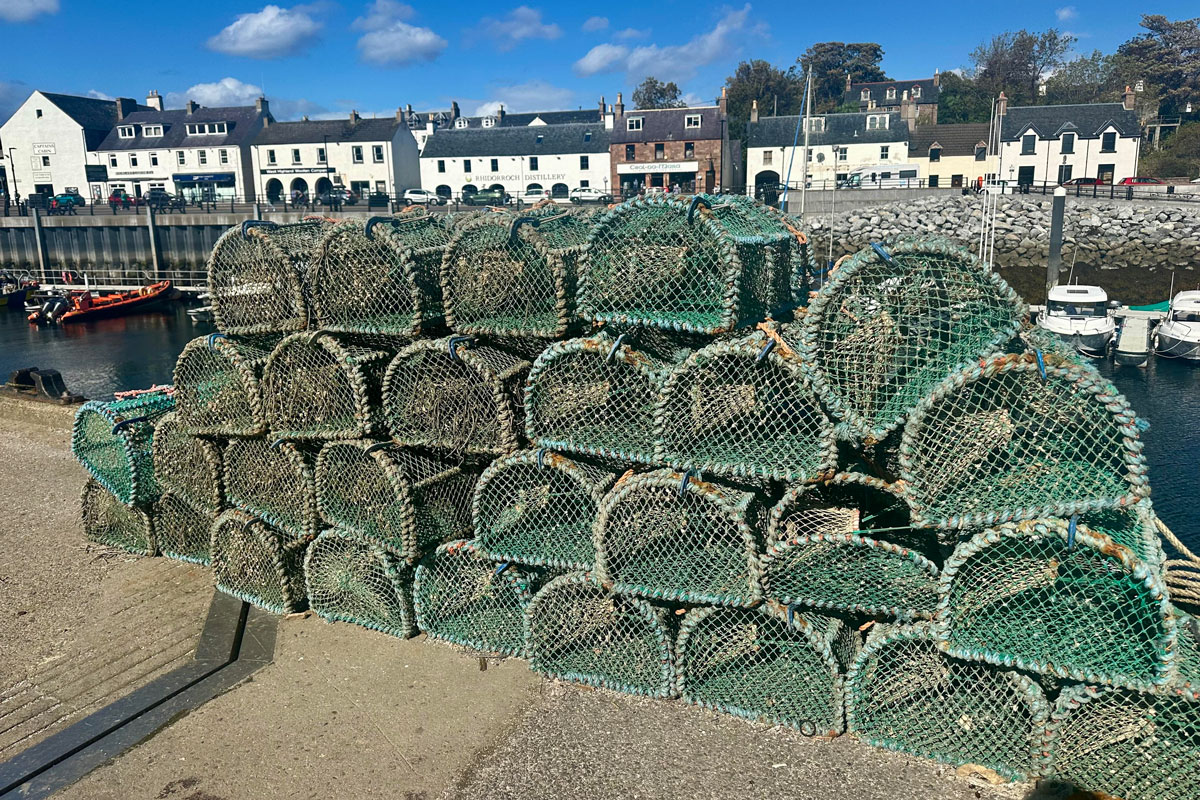
Once calculated, the shellfish total amounted to only 73 miles on average, with products such as oysters coming from waters only three miles from Ullapool harbour at Ardmair.
Langoustines and Lobsters were sourced from Loch Broom, upon which Ullapool sits, and were landed at Ullapool Harbour for supplier, SRC Foods.
Added together, over the two-week challenge, the average total food miles for the shellfish and meat was 119 – eleven miles within the challenge threshold.
“We got there and it was a really, really valuable exercise – the staff deserve great credit for keeping an eye on what was happening,” said Seaforth general manager, Jody Keating.
 “We source our steaks from Edgefield Craft butchers and, over the course of the two weeks, we were aware the miles for meats were pushing up the totals.
“Some of the meat is from small independent farms in places like Angus and Fife but we discussed things and we didn’t want to sacrifice quality and that is really the essence,” said Keating.
“How do you maintain the premium quality that customers want but still source sustainably? The lessons for us was that, even though we have a policy of Scottish-only wherever we can, that needs to be the focus all of the time and that is what we will be taking forward.
“In terms of processing, our main suppliers have their own sustainability standards, with minimal processing, so we did very well on that score. Everything arrives at our kitchens fresh.”
Having narrowly managed to meet the terms of the challenge, The Seaforth teams have actually decided to cut sea bass from the menu next season.
“Sea bass is popular but the food miles are very high and we will be looking at how we can do this more sustainably with a Scottish product next year,” said Keating.
“We want to take the lessons from the challenge and put them into place,” added Jody.
The longest travelled shellfish over the challenge was The Seaforth’s acclaimed mussels, which were sourced from waters around Shetland.
In terms of the meats, Angus and Fife supplied the most distant products.