Hospitality groups have called on local authorities across Scotland to pause the introduction of visitor levies after the fifth Scottish council announced it had paused the introduction of its ‘tourist tax’.
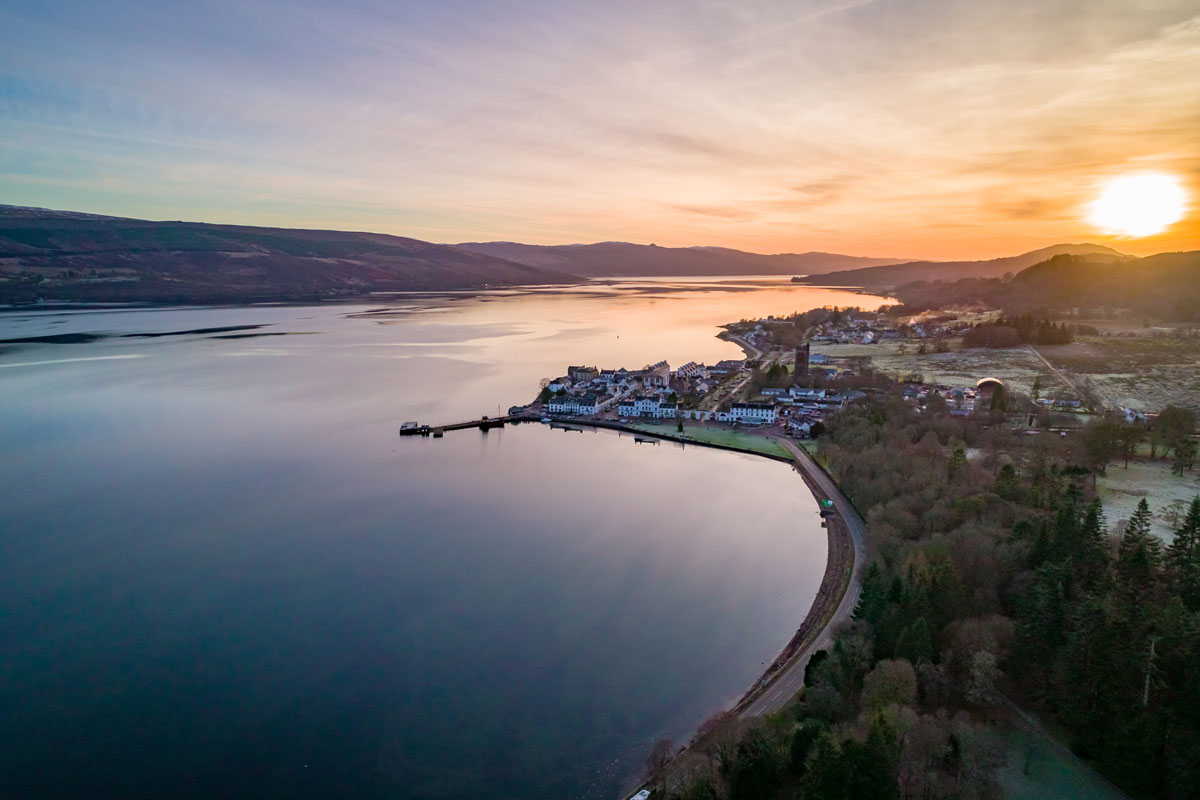
Argyll and Bute Council announced last week that it was pausing the introduction of its visitor levy after a public consultation raised concerns.
In a statement, the council said that it was seeking clarity from the Scottish Government on possible changes to the legislation which would allow it to charge a flat fee rather than the percentage of room rates currently stipulated by law.
Shetland, Orkney, Comhairle nan Eilean Siar (Western Isles) and South Ayrshire councils have also paused levies in their areas.
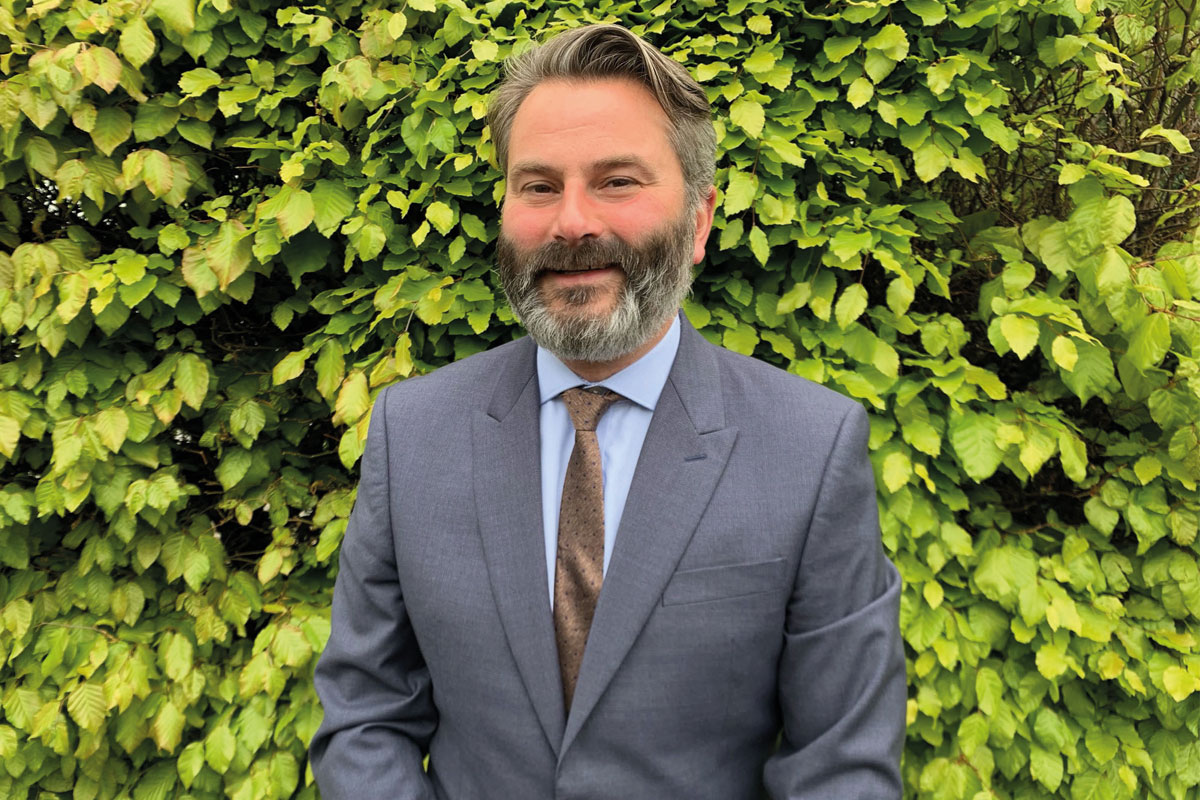
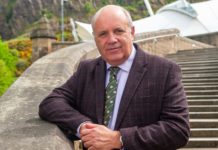
Leon Thompson, executive director of UKHospitality Scotland, congratulated Argyll & Bute on its decision, saying: “The impact of a visitor levy on visitors and businesses is still unknown, so Argyll and Bute Council is right to rule out implementation of a visitor levy.
“Argyll and Bute’s consultation showed a majority of respondents did not support the levy and this is a clear example of a council listening and acting on concerns from local residents, businesses and trade associations like UKHospitality Scotland.”
And he called on other local authorities to follow suit.
“There remain many questions about the visitor levy – from its economic impact to how it will be legislated in the future. There is now uncertainty about whether, or when, visitor levy legislation will be changed to allow the use of a flat rate fee,” he said.
“I hope other councils will follow the pragmatic approach of Argyll and Bute by pausing their plans and taking stock of the economic realities of accommodation businesses.”
That message was backed by Stephen Montgomery of the Scottish Hospitality Group, who said the group has ‘always been of the view that a flat rate like that seen in Manchester and Liverpool would be the preferred method, making it easier and more practical or businesses to manage should a TVL be brought in’.


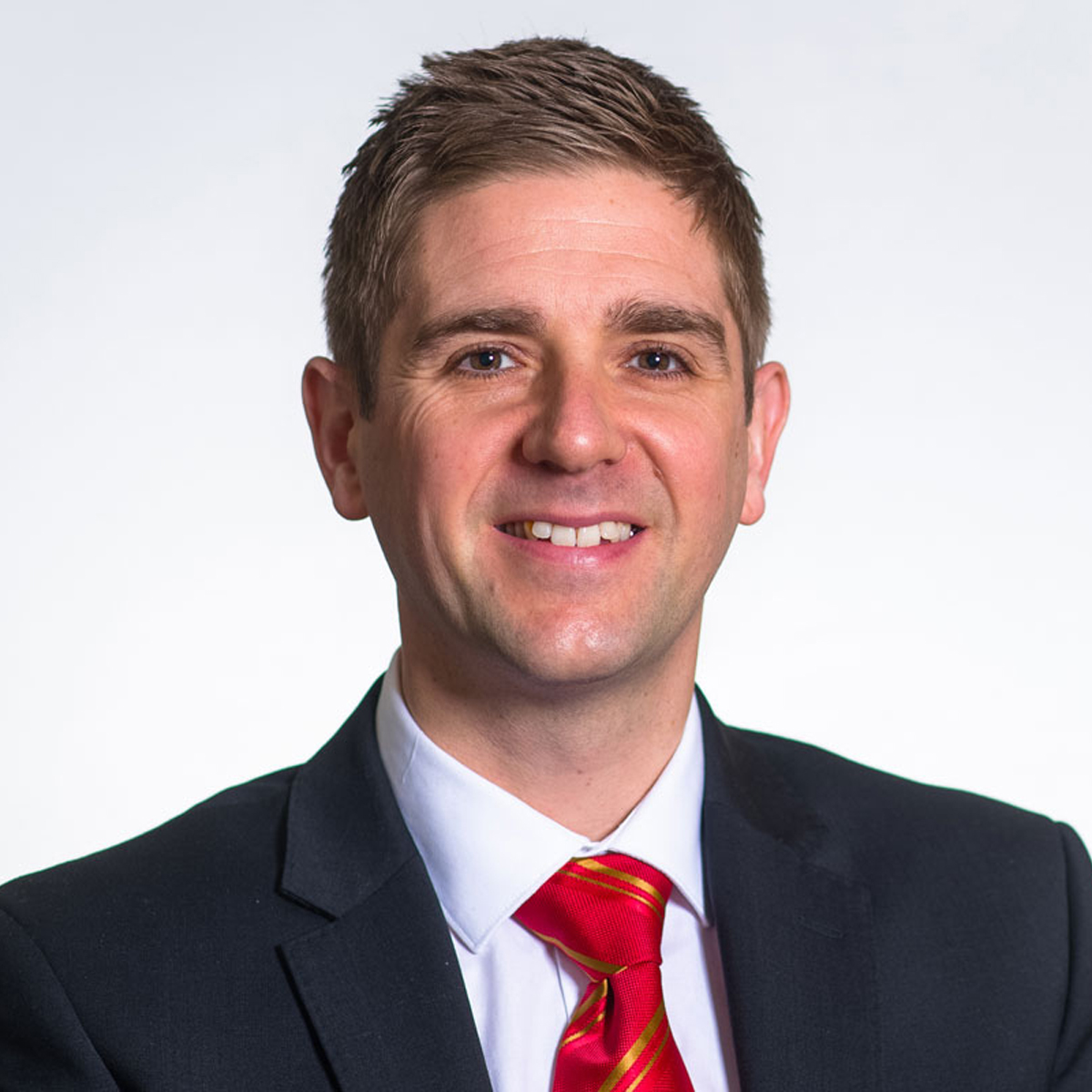
Scottish Tourism Alliance chief executive, Marc Crothall, said the fact five councils have now stood back from introducing visitor levies ‘sends a strong message that introducing a scheme is not a given for every council in Scotland’.
“For our rural and island communities in particular, the risk to the local visitor economy and visitor numbers is viewed as far greater than the benefits of currently charging a levy,” said Crothall.
“The tourism and hospitality sector is feeling the strain of the ongoing financial crisis that continues to rumble, exacerbated by a 1.4 million drop in domestic trips last year, while applying the legislated percentage charging model is viewed as far more complex to implement than a simple, fixed fee.”
Crothall added that the Argyll & Bute decision also reiterated the importance of responding to public consultations.
“The pause in Argyll and Bute particularly demonstrates the importance of local people and businesses taking the time and effort to each respond to visitor levy consultations to make councils fully aware of the impact a levy will have on the local visitor economy and their livelihoods,” he said.