
A thoughtful wine list isn’t just a ‘nice-to-have’ for any venue serving food — it’s a commercial opportunity that supports the broader dining experience.
So says Alexander Wines commercial director, David Prow, who feels that, in the current socioeconomic climate, when a customer does come out to eat, they want more than ever to feel like they’re having a memorable experience.


But Prow adds that rather than aiming for rigid pairings across the food menu, it’s better to curate a wine selection that naturally supports the venue’s style of cuisine.
“For example, in an Asian fusion concept, including a range of aromatic wines like Pinot Gris or Albariño makes sense — these varietals typically handle a bit of spice well,” said Prow.
“By offering wines that are versatile and food-friendly, venues can encourage guests to explore wine throughout their meal, boosting satisfaction and spend.
“Training staff to know the wine list well and suggest something new that might enhance the customer journey is all part of the overall experience.”
In Prow’s experience, real world successes arising from this pairing policy include serving Baccolo Rosso Appasimento to compliment the Italian Sausage Fest pizza in the Leopardo’s chain of Italian restaurants.
“The grapes for the Baccolo Rosso are partially dried in the appasimento process which gives a rich, jammy sweetness to the wine, which balances out the spice from the Nduja on the pizza,” he explained.
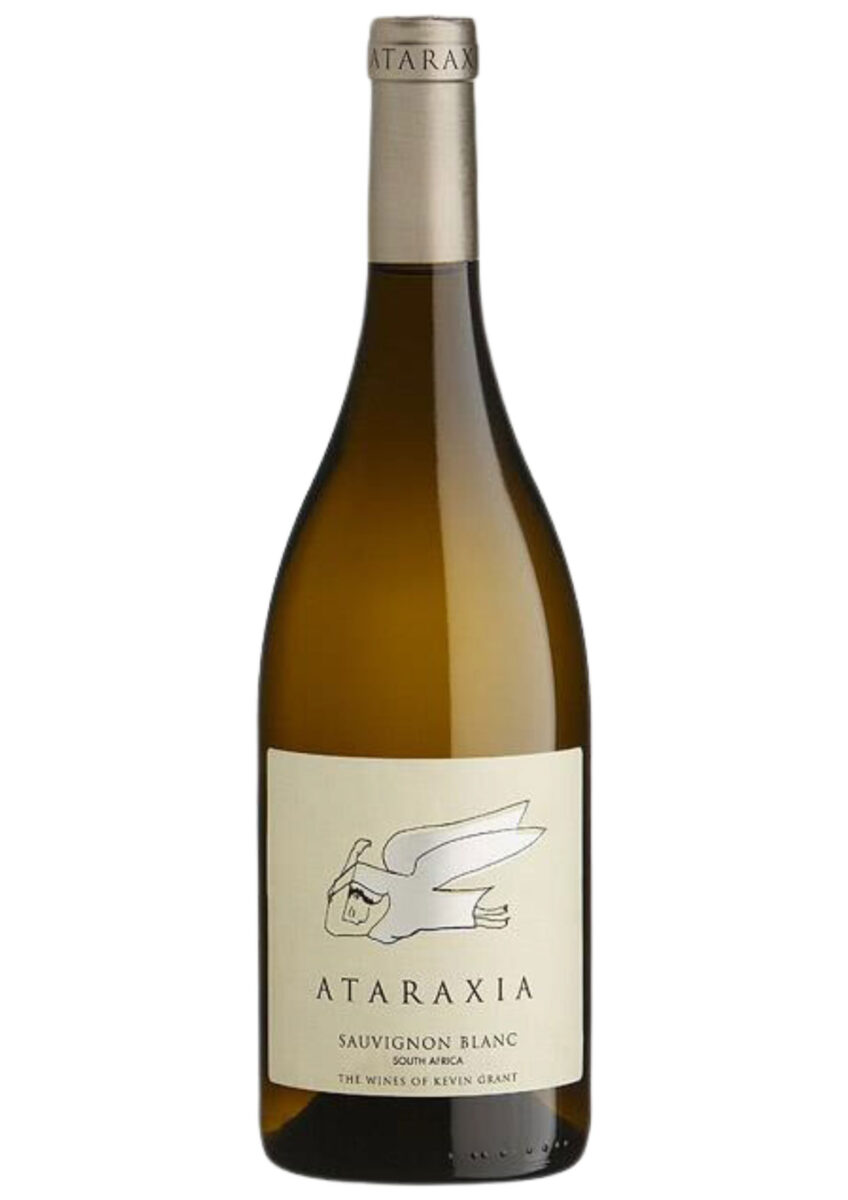
Another favourite of his is Ataraxia Sauvignon Blanc with Ox & Finch’s gnocchi, pistachio, spinach and goat’s curd: “This crisp South African white is bright and fresh with some lovely minerality, which lifts the rich goats’ cheese and nutty pistachio.”
Prow also described the Escapada Vinho Verde with Grilled Prawns from The Raeburn in Stockbridge as ‘a summer match made in heaven’.
“This zesty wine with its iconic light spritz is made for light seafood dishes. The acidity and spritz will cut through any fat in the dish – pairing with a wine like this is almost like adding a squeeze on lemon to your seafood dishes,” he explained.
Moet Hennessey’s head of wines, Claudia Bastiaensen, also reported an increasing interest in wine-food pairing from consumers.
“In particular for the rosé category, which in the past was never much associated with food,” she noted. “Consumers now recognise its potential for accompanying food, notably for those rosé wines that have sufficient flavour intensity and body.
“Offering wine-food pairing suggestions tends to be well received and offers an opportunity to suggest some adventurous, creative pairings.”
Bastiaensen continued: “Oaked Provence rosé works super well with veal. For fresher unoaked rosé wines, a seabass crudo pairing is delicious.”
Vinarchy customer marketing manager Rebecca Hoggett suggested that even venues which had never previously contemplated food and wine pairings could take advantage of the trend by staging occasional promotions.
“Food & Wine Nights can be done in a number of ways as best suits the venue, but ideally host these as a special date in the calendar as a ‘one off’ or ‘special event’ or as part of a seasonal set-menu offering,” said Hoggett.
“These events are designed to be fun, engaging, and sometimes themed, offering diners a chance to learn about wine and food pairings while trying something new.”
So what new wines are creating a stir in the Scottish on-trade this year?
Alexander Wines’ Prow reported an increased interest in native varieties, particularly Italian grapes such as Ribolla Gialla and Raboso, providing something ‘intriguing and different’ for curious consumers.
“Grape varieties like Aligote, Assyrtiko and Unoaked Chenin Blanc are performing well,” he said. “Lesser known grape varieties are increasing in popularity, with Portuguese Arinto, Greek Xinomavro and lesser known Italian varieties such as Garganega appearing more and more on wine lists.”
Prow also highlighted the sparkling alternatives to Champagne: “Crémant from various regions continues to perform. Sparkling Albarino is gaining ground, and sparkling reds, notably Aussie Shiraz, are being demanded – and Lambrusco is having a trendy resurgence!”
Bastiaensen at Moet Hennessey said that Chardonnay was also having a resurgence in the on-trade, with consumers more and more recognising the variety of styles that can be produced with the varietal.
“Notably those wines that display a fine balance between the added complexity of oak ageing and refreshing crispness do well in the trade,” she said.
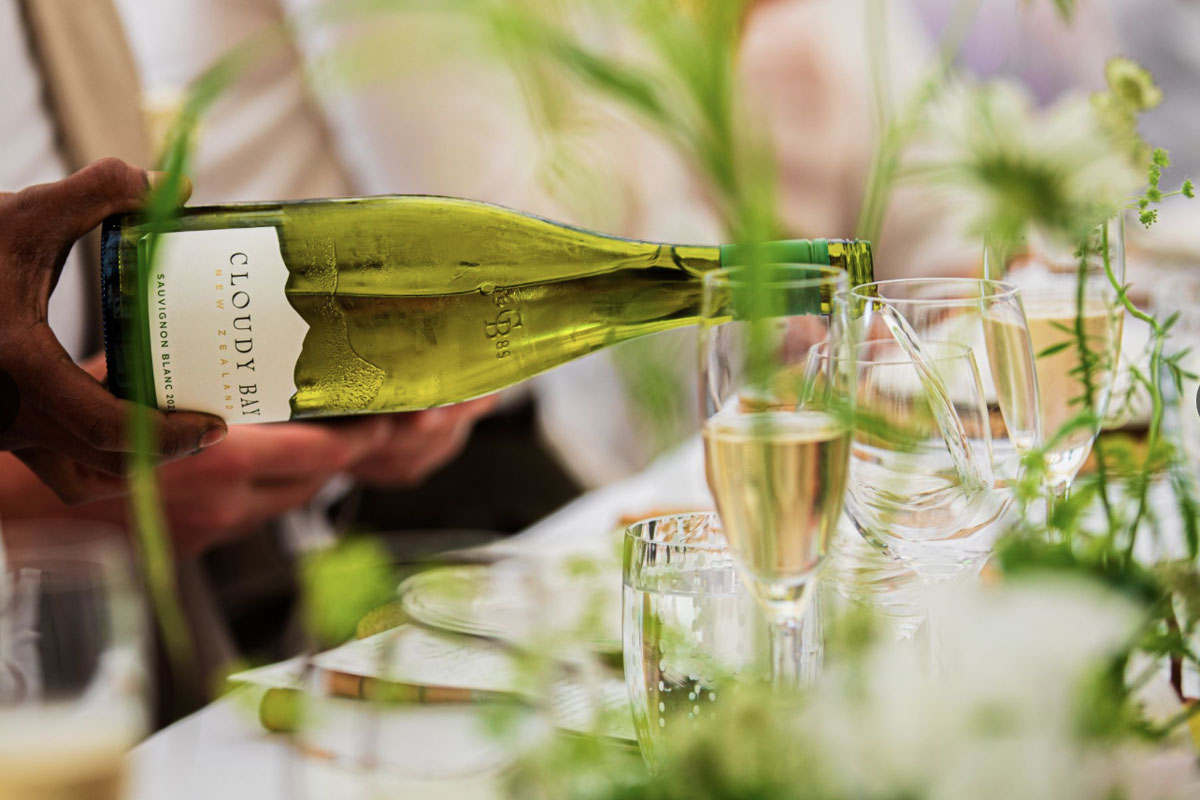
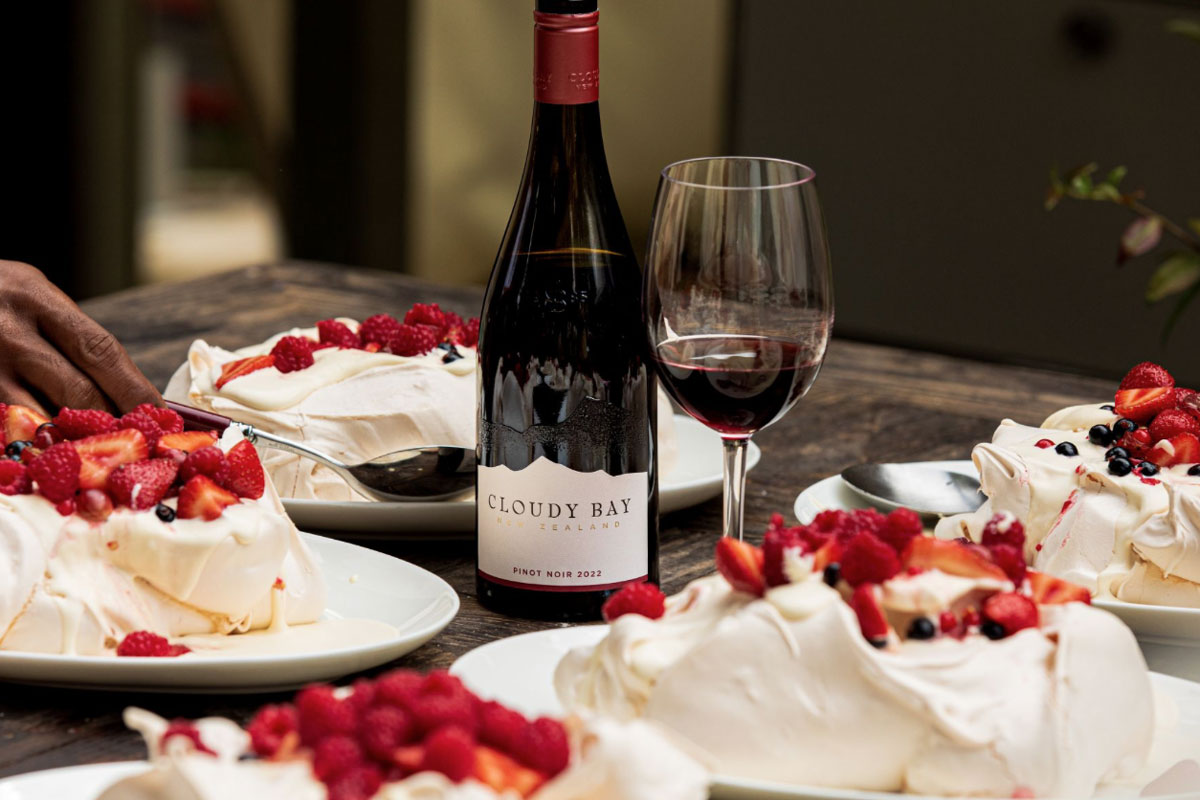
“We see some great success with our Cloudy Bay Chardonnay from Marlborough in New Zealand. The moderate climate in the vineyards is great for creating balanced, elegant Chardonnay wines.”
But with such a plethora of new and resurgent wines out there, what advice would suppliers offer operators looking to build a varied, interesting wine list that caters to both wine novices and aficionados?
Hoggett at Vinarchy offered: “Getting to know your customers and what they are looking for in wine choices is so important! Get to understand what they do and equally don’t like.
“What their preferred styles are, when they like to enjoy wine and on which occasions. Are they open to trying new things or do they stick to what they know?
“Staff should also have a base level of wine knowledge. Without staff who are able to encourage your customers to try it or make recommendations, you will struggle to get those bottles off the shelf.”
She added: “For a quality experience and more chance of repeat purchase, always store the varietals correctly and serve them at the right temperature. Use quality glassware, serve using a measure, and choose the right style glass for the colour wine you are serving.”
Prow at Alexander Wines recommended that wine lists be structured by style, not by country: “This enables consumers to make decisions based on what they like, not on their wine knowledge.
“Keep tasting notes short, snappy and relatable. Keep the format simple and inviting. Too much choice can be intimidating and overrated.
“You can drive sales through quality and knowledge. Train the team, don’t just rely on the wine list. Reel the consumer in with something that they know, then guide them to an alternative wine that has similarities of what they enjoy; e.g if you like Sauvignon Blanc try this Verdejo; or if you like Malbec try this Bobal,” said Prow.
“Experiential drinking also seems to be on trend right now,” he added.
“We have heard about wine and ice cream pairing as an example of some unusual experiences offered by venues!”