The satisfaction of a job well done
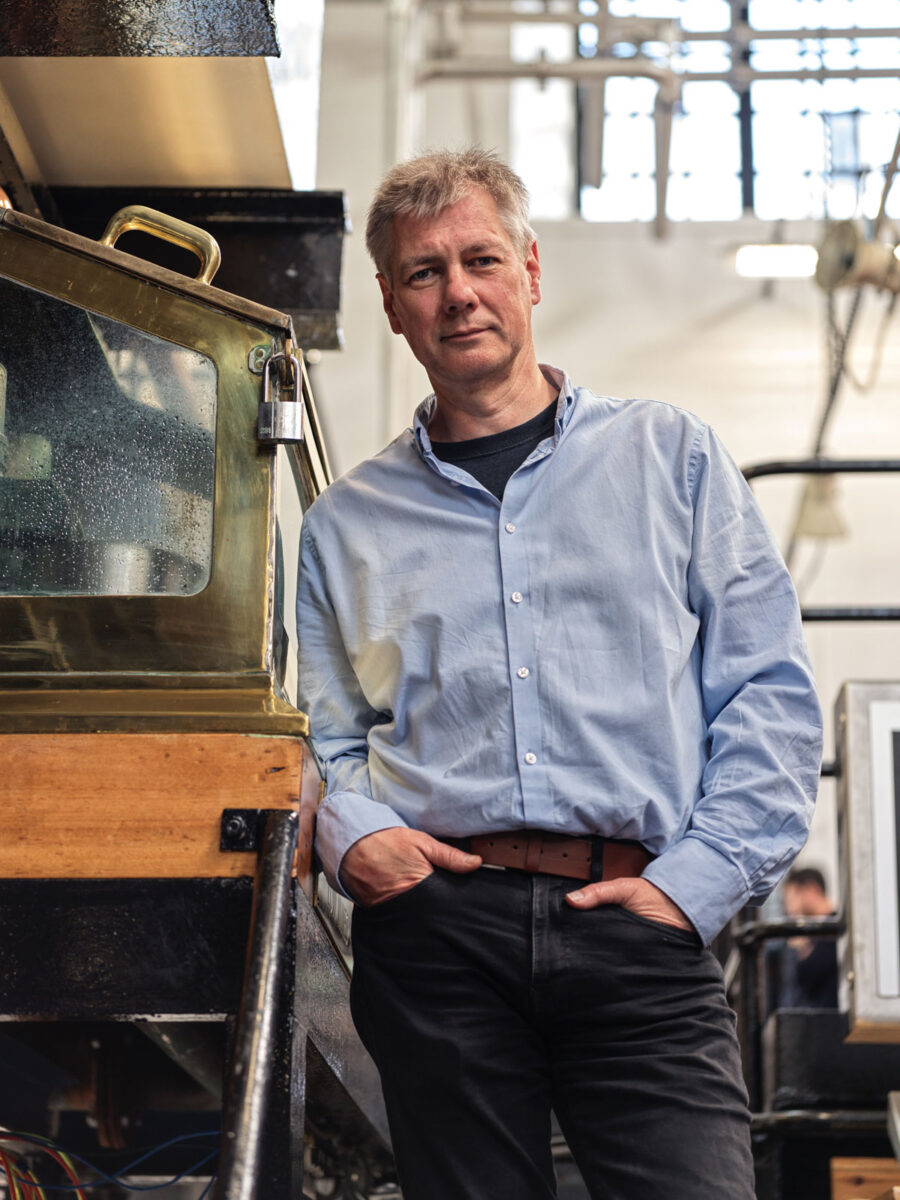
Gordon Motion’s remarkable chapter as master whisky maker at award-winning Single Malt distillery Highland Park has come to an end, after 27 years of innovation and hundreds of distinctive expressions.
As a frontline witness to more than a quarter century of massive change in the Scotch Whisky industry, his retiral seemed like an excellent opportunity for SLTN to quiz Gordon about his long career at the casks.
Not that it seemed like a long shift to Gordon.
“It’s flown by,” he confessed. “I still remember my first day, I still remember my first trip to Orkney.
Gordon actually started out with an entirely different career in mind, doing computer science at university, until going on holiday with a pal, visiting a whole lot of distilleries, and realising ‘this is what I want to do rather than be sitting behind a computer all day’.
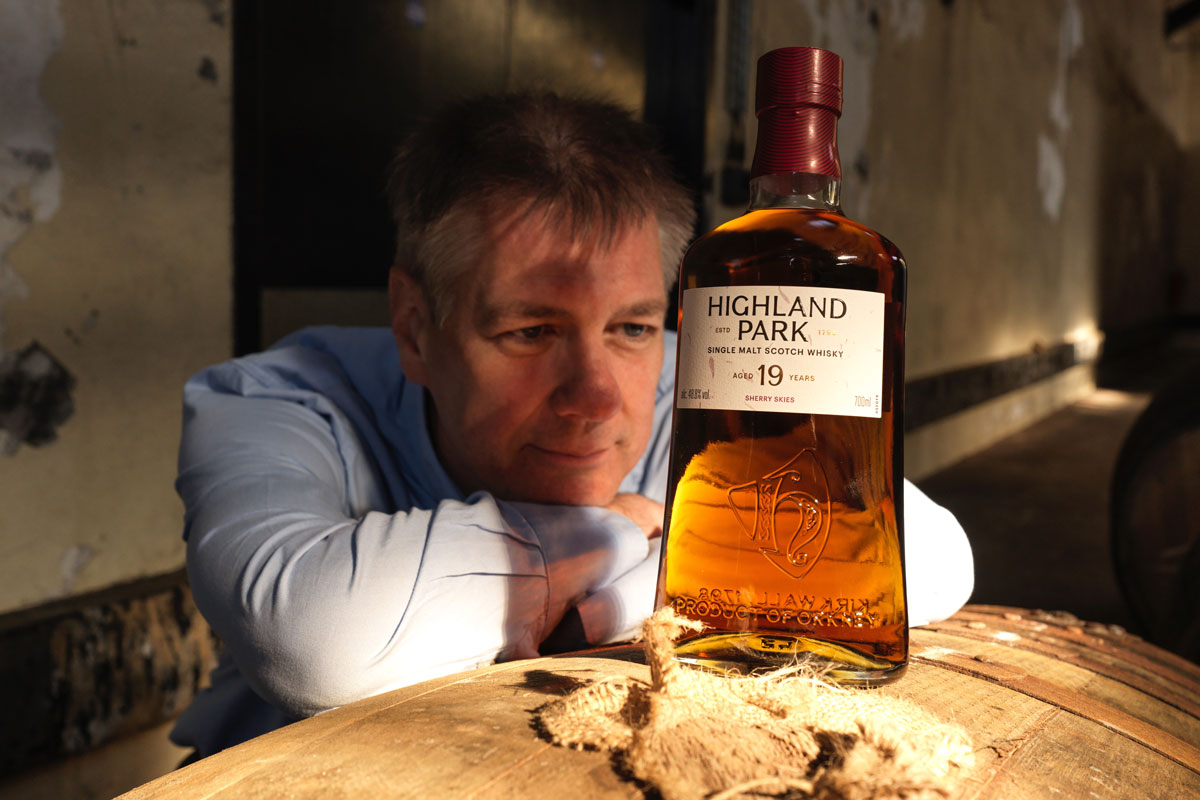
He then applied for a postgraduate in malting, brewing and distilling science at Heriot Watt University – a ‘much more human course’ than computer science – and from that standing start got himself a series of brewery and maltings jobs around the UK, starting with Bushy’s on the Isle Of Man, helping them build up their beer for the crazy crowds at the TT races.
Ultimately, he joined Edrington in June 1998, as assistant to the then master blender for the company, John Ramsay, who looked after everything in the group.
“At that time we had Famous Grouse and Cutty Sark as our two major blends, we had seven malt distilleries, we had Langs Supreme as well,” recalled Gordon.
“There was a big change in the company 2000/2001 when we bought Highland Distillers, took it back into private ownership rather than public. At that point, we divested of Glengoyne and Langs Supreme, which went to Iain Macleod, while Bunnahabhain and Black Label went to Burn Stewart, and we started focussing on our core brands.”
Gordon does not hesitate to credit Ramsay as the single biggest influence on his whisky career.
“I worked beside John for 10 years until he retired. I’d never been in the distilling industry before that, so although I had the practical knowledge, I’d never worked in a distillery, so it was John that taught me all the blending side of it.
“He’s a very patient man – and I’m pleased to say that he’s coming along to my farewell do.”
On John’s own retiral in 2008, Gordon took over effectively as master blender for the company’s whole portfolio, but the changing landscape of the sector has since seen his role increasingly focus in on Highland Park.
“The biggest change has been the growth in malt whiskies. When I joined, we had two huge brands, which were the vast majority of what we were producing, and they were blends.
“We’ve since seen the blended market becoming a struggle – it is a declining category – and conversely we’ve seen some of the malts go stratospheric in comparison to what they were.
“When I started, Highland Park had three main variants – it had 12, 18 and we’d just launched the 25-year-old at the start of 1998. Nowadays Highland Park has 13 variants.
“I was totting it up. On Highland Park alone, in my time I’ve released over 90 new variants. On top of that, we did single casks for a number of years, and chose 435 of them for bottling.
“When you look back on that, you think ‘wow, we really did do quite a bit’.”
Gordon has specialised in Highland Park for the last few years, having been involved in putting it together since 1998.
That specialisation, and the new technologies and systems for keeping track of casks, have been transformative for the job, he said.
“Back in 2008 I had to be doing the forecasts, and what casks are we going to be filling? What whiskies are we going to be filling?

“There are now other people who deal with that, and they have taken a whole lot of pressure off me, and that has been a huge asset.
“We are able to do things we could never do before. We never used to look at the casks as they were maturing – we just brought them in, and took the casks we were given to create what we were trying to create.
“Nowadays, we are looking at the stock as it is maturing, grading it, getting the colour on it, getting the strength on it, doing any corrective actions needed. We know in advance what the quality of the whisky is going to be.
“It has been a huge boost to us just to know what we have got coming forward.


“If we see we don’t have enough of one type coming through in a year, we can take casks that haven’t given us the maturity we expect, and put them back into different casks to try and change their direction.
“Highland Park is natural colour, so we are entirely reliant on the casks delivering the character and colour we need.”
Despite his insights, Gordon firmly declined the chance to play favourites with the Highland Park expressions he has overseen.
“It’s difficult for me to make that choice. The likes of the 12 and 18-year olds, it has been my job to maintain them consistently.
“I am only a caretaker for the brand – I took them from someone else and now I’m passing them over to someone else.
“The one that I certainly really enjoyed was the 2022 release of 25-year-old. It just has a fantastic perfumed note to it. But whether that’s my proudest one, I don’t know.
“It’s just nice to see people around the world get enjoyment from something you’ve created, whether they know you created it or not, just to sit back and watch people go ‘that’s really nice’ and you think ‘OK, good’.”
So what advice would Gordon give to someone looking to move into the whisky industry in 2025?
“Probably the same advice I’d give to anybody leaving university or looking for a job – your first job doesn’t have to be your last.
“Just get your foot in the door, whether it’s working on a bottling line, or a blending department, a warehouse, if you can get yourself into the industry somehow, it is much easier to look for another job within the industry.
“You will find as I have that there are many people you meet along your journey that have worked for another company who end up working beside you. Once you are in the industry, it is a very good industry to be in.”
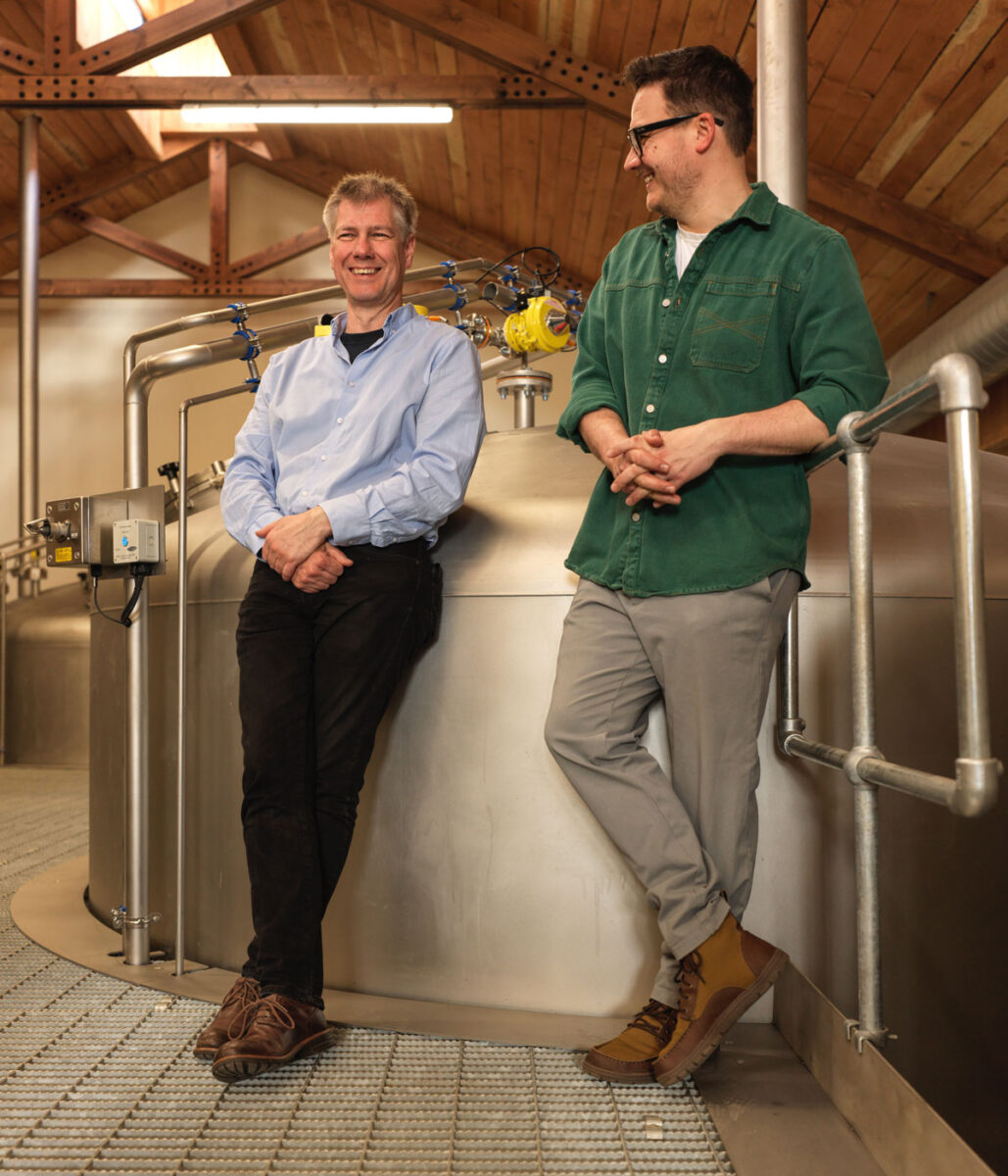
Gordon has now handed the reins of the brand to Marc Watson, who has been working alongside him for the past six months, immersing himself in Highland Park’s aged whisky stocks and distinctive flavour profile.
“I am quite happy. I have done my bit. Marc is really enthusiastic, he’s a whisky nut – he’s going to be an ideal replacement.”