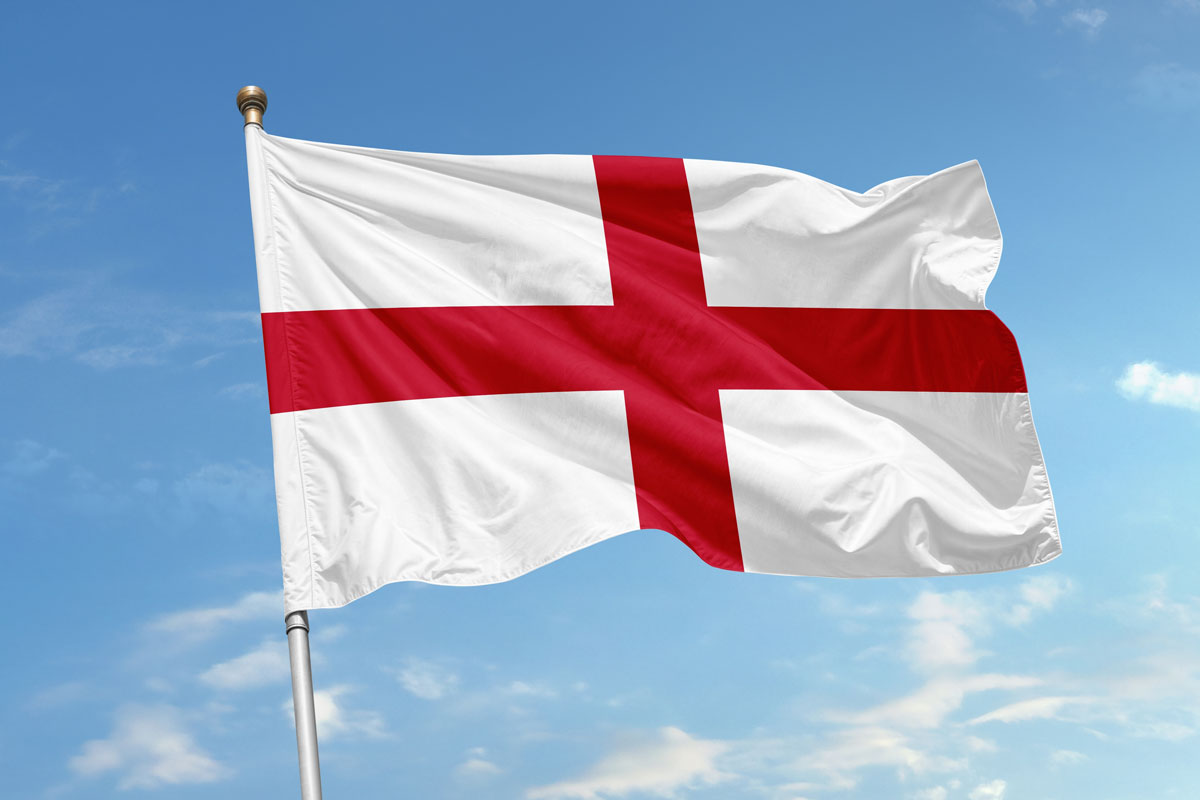
 The growing English whisky industry passed a significant milestone recently when it secured Geographical Indication (GI) status from the Department for Environment, Food and Rural Affairs.
However, the agreed definition, which now makes the terms ‘English Whisky’ and ‘English Whiskey’ legally protected, has attracted criticism from organisations representing Scottish, Welsh and Irish producers – as well as from within the English industry itself.
Last month the Scotch Whisky Association, Welsh Whisky Association and Irish Whiskey Association released a joint statement saying they “remain concerned about inconsistencies in approving the English Whisky GI, both in terms of process and future practice”.
“The whisk(e)y producers we represent have a proud, long-standing and unrivalled tradition of making world-class whisk(e)y,” said the groups.
“We want to see high-quality definitions, which underpin a high-quality single malt category enjoyed by millions around the world.”
Jaynie Kean, managing director of Jackton Distillery, said she supported the idea of a GI for English whisky, and approved of the rule that English whisky must use UK-grown barley, but is concerned by part of the definition which would allow different parts of the production process to happen in different locations.
“In Scotch whisky, mashing, fermentation and distillation must all take place at one distillery. The English rules allow those stages to be split across sites,” said Kean.
“If both can be called ‘single malt’, we risk confusing customers and leaving retailers to explain why the same term means different things.”
That was echoed by Sonny Charles, founder of independent bottler Whisky Craft, who said the English rules “would effectively allow English distilleries to bypass requirements that Scottish, Irish and Welsh single malt producers must meet”.
“The term ‘single malt’ represents an important standard of quality. Requiring only the distillation stage to take place at a single site risks reducing these operations to glorified gin distilleries, diminishing the importance of mashing and fermentation and the quality and distinctive character those processes contribute to the spirit.”
The definition hasn’t even proved unanimously popular in England.
Liam Hirt, founder of Circumstance Distillery in Bristol, said although there was much to like in the definition, the English rules should have been based on the Welsh definition rather than the Scotch one.
Hirt argued that this allows Welsh distilleries to distinguish themselves while English distilleries cannot.
“Two things will happen,” said Hirt. “Distilleries that work within the GI will be virtually indistinguishable from Scotch but, for whatever reason, will be proudly English Whisky.
“Distilleries that work outside the GI will be the exciting innovators and proudly non-English Whisky. This will be very confusing for the consumer.”
Clearly, it’s not going to be a situation that’s easily resolved.
But maybe it doesn’t have to be.
David Keir, sales and marketing director at Ardgowan Distillery, said: “I can understand why the SWA, for example, is taking such a strong position on this.
“However, my personal opinion is it won’t really matter. The majority of people don’t know the difference between a single malt and a blend; start delving into the subtleties of single malt production and you’ll lose most people.”