
The on-trade remains the best place for whisky fans and the whisky-curious to ‘try before they buy’ – with the category drawing more young people than has been the case in the past.
But really capitalising on that demand will rely on making the category as accessible as possible.
The well-publicised squeeze on household budgets has made the purchase of a bottle of what can be a very expensive product a risky proposition for people – especially if they haven’t tried that particular bottle before.
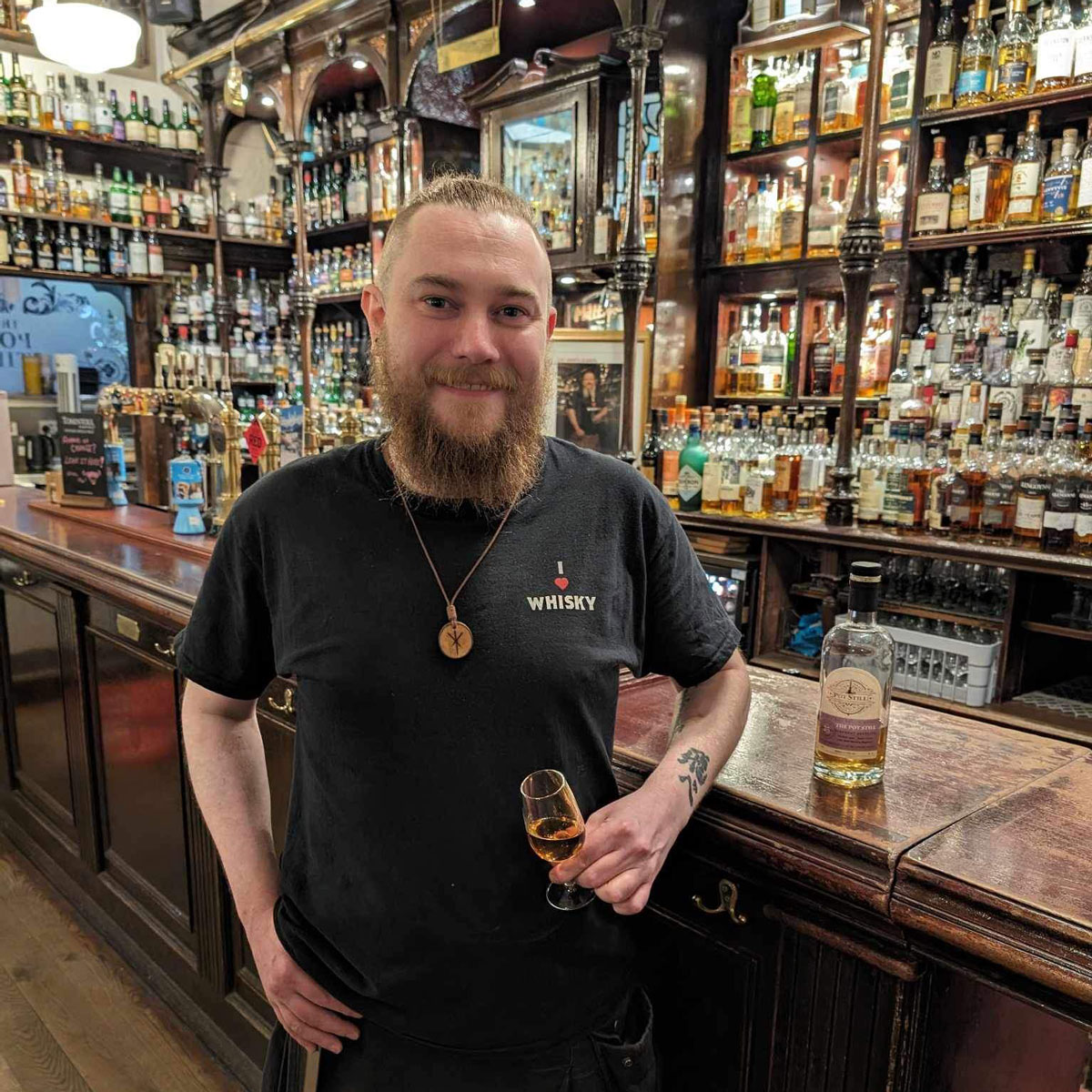
Pubs and bars, meanwhile, offer a comparatively affordable way to try those new drams, with the added advantage of knowledgeable bar staff to help guide them to their next dram.
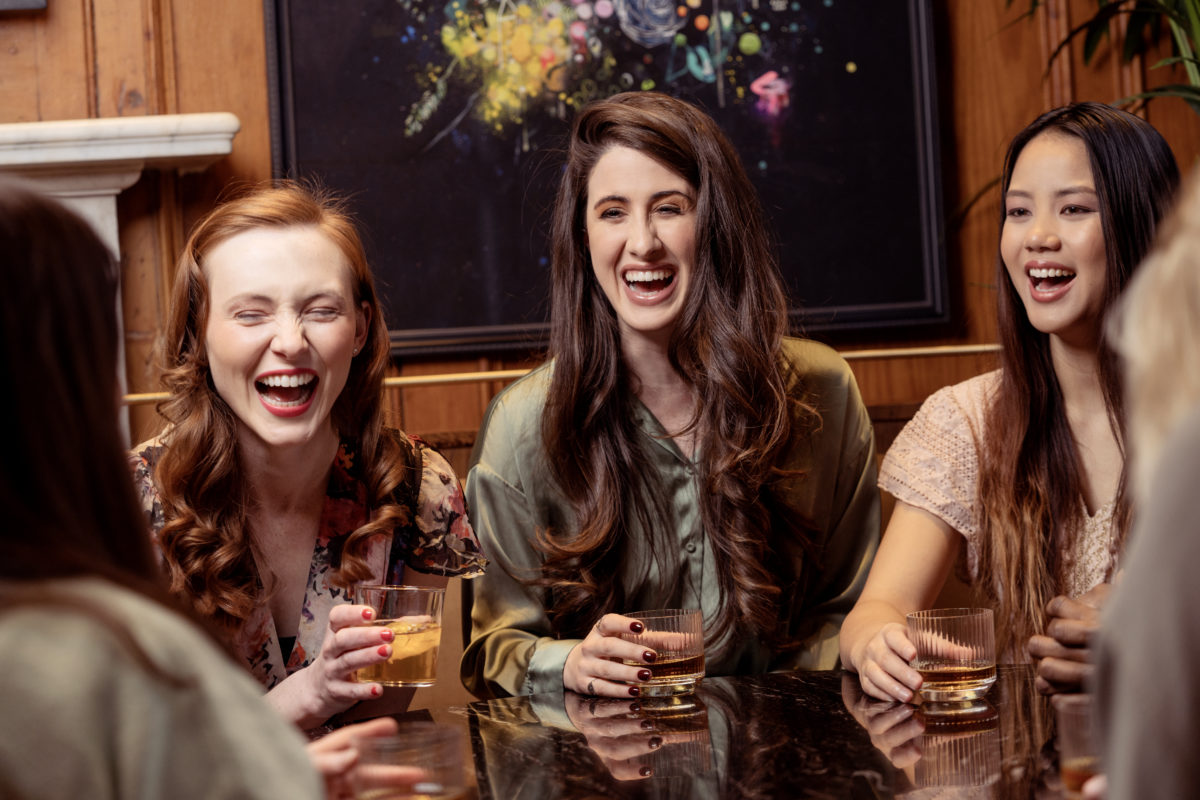
“Liquid to lips will always be a key catalyst in bringing the whisky category back to where it belongs,” said Liam Stephen, regional sales executive at Murray McDavid.
“This is particularly important within the on-trade, where consumers can access a much wider variety of whisky at a more affordable price point than purchasing a full bottle.
“This makes the on-trade a crucial environment for driving consumer engagement, education and ultimately long-term growth within the whisky category.”
Felix Bottomley, head of marketing for single grain whisky Wee Smoky, agreed.
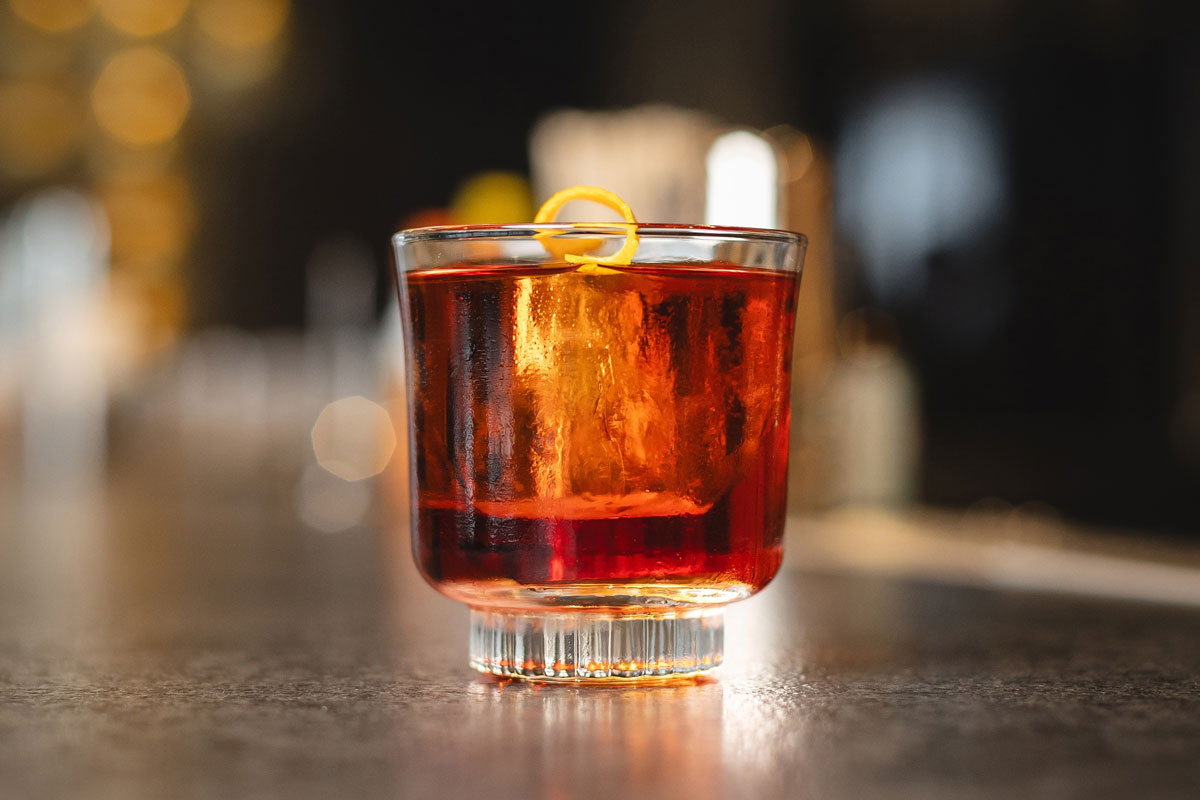
He said: “When people are watching every pound, they’re not going to gamble £45 on a bottle of something unfamiliar, but they’ll happily try a dram or a well-made cocktail across the bar.”
And while there’s no shortage of information about whisky available online, there’s no substitute for taking a more hands-on approach.
“We’re seeing consumers use bars and restaurants to broaden their understanding of the category, whether through tasting flights, smaller measures, guided serves or simply a conversation with a knowledgeable bartender,” said Ryan McFarland, chief commercial and strategy officer at Drinksology Kirker Greer.
“These moments help remove some of the intimidation around whisky while creating a more memorable drinking experience.”
Tackling that intimidation factor remains important, with the attitude of the venue and the bartender playing a role in encouraging more people into whisky.
“The more approachable we make whisky, the more people will discover that they already enjoy it,” said Gregor Hannah, director of independent bottler Lady of the Glen.
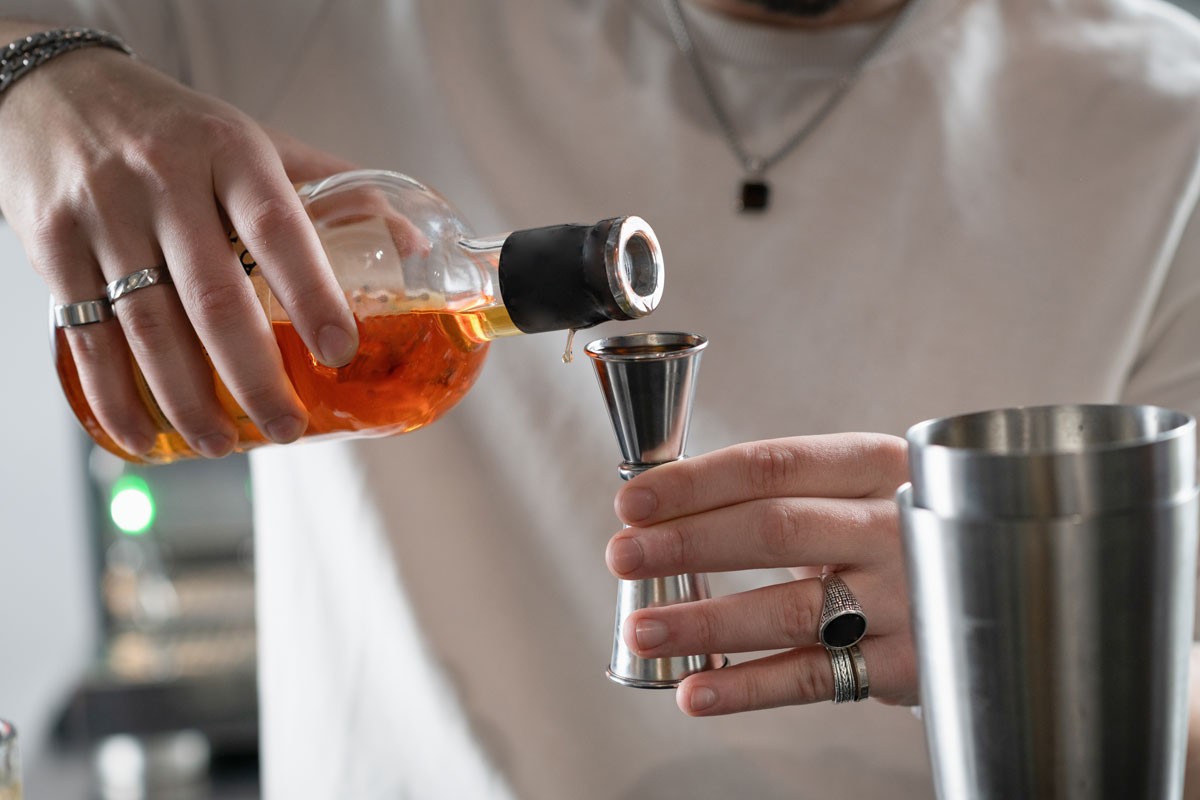
“I’d like to see more informal tasting events, bartender training and consumer experiences that focus on flavour rather than technical detail.
“Instead of talking about age statements, cask types and production methods straight away, start by asking people what flavours they enjoy and build from there.
“The wine industry has done this well for years by investing in education and encouraging people to explore without making them feel they need to be experts. Scotch can absolutely do the same.”
Bottomley at Wee Smoky said the company’s recent launch of premixed whisky cocktails was in part a solution to this very issue.
He said: “Neat, in a heavy glass, with someone hovering to ask ‘so, what do you get from that?’ is intimidating for a lot of people, and that pressure is exactly what keeps newcomers away.
“We don’t see it in other major spirit categories and we’re keen to present a different world of whisky to people.”

McFarland at Drinksology Kirker Greer reckoned the more open-minded approach to how whisky is served has been particularly helpful to the younger generation of pub customers.
“Bartenders are often ahead of wider consumer trends, but their enthusiasm has a genuine influence on younger drinkers,” he said.
“A recommendation from a trusted bartender carries a huge amount of weight.
“Younger consumers are approaching whisky differently from previous generations. They’re less interested in rules around how it should be enjoyed and more interested in flavour, provenance and discovering something unique.
“That curiosity is helping broaden the category beyond traditional Scotch drinkers.”
That was echoed by Tara Lindley, director of sensory and new product development at American whiskey brand High West Distillery, who said newcomers to whisky (or whiskey, for that matter) ‘are interested in unique flavours and discovering different styles, and bartenders play an important role in introducing them to the category’.
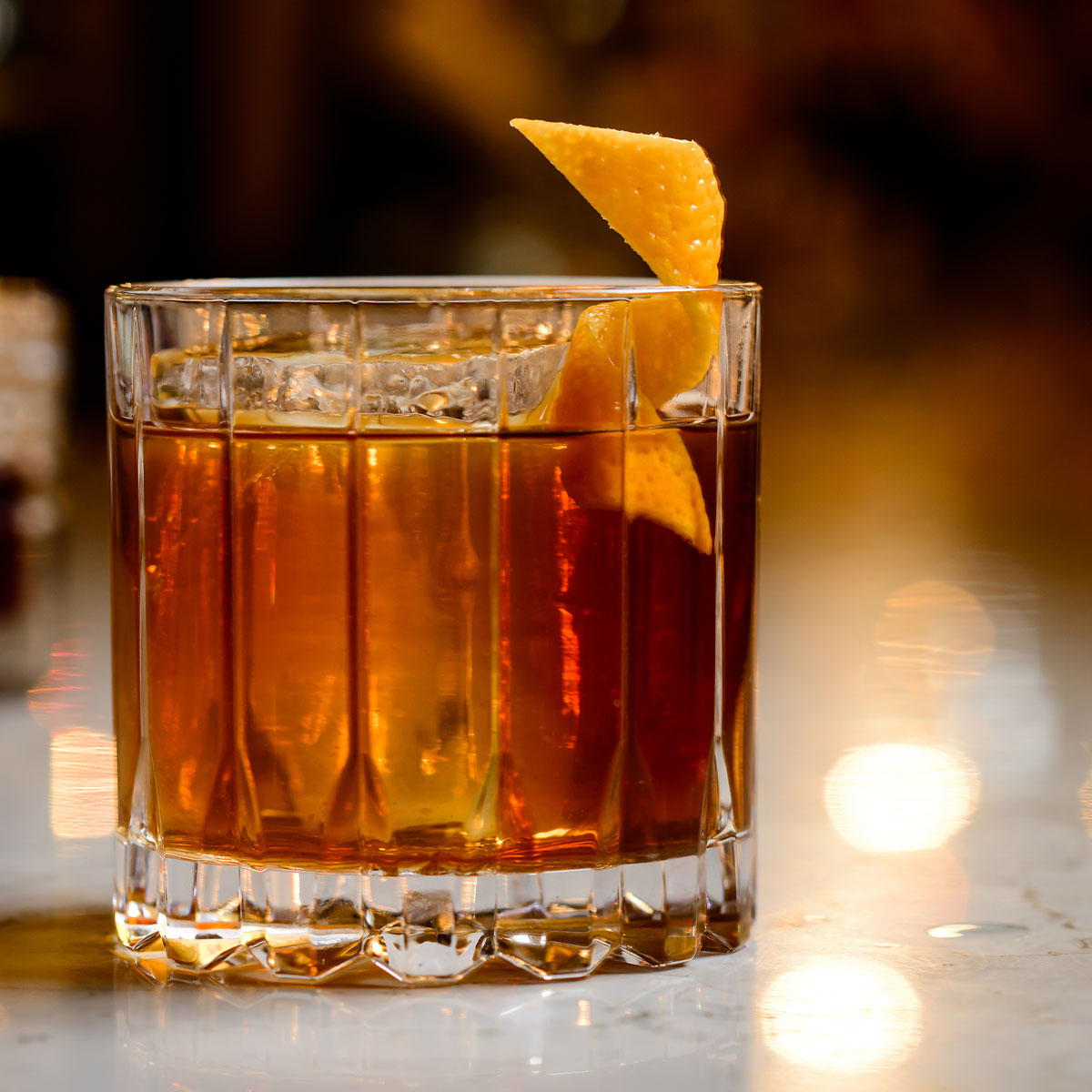
“Cocktails can be a great gateway, someone might discover rye through a Manhattan or bourbon through an Old Fashioned, and from there start exploring whiskey more widely,” said Lindley.
It’s reflective of a more curious mindset overall from younger consumers, according to Hannah Mitchell, UK sales manager for Arbikie.
“I have witnessed such a shift in younger people wanting to be equipped with the knowledge of the products they are buying – not just limited to drinks,” she said.
“The allure of whisky is in its heritage, the storytelling, the cool posters everyone now has on their kitchen walls, it can reflect one aspect of their personality.
“There is also the growing interest in heritage products from across the world; soju, sake, vermouth, rum coming from new emerging markets.
“In a world where we’re increasingly encouraged to focus on what divides us, it’s often our differences, the cultures, traditions, and heritage products that make us unique, that spark the greatest curiosity. We’re drawn to learn from them, celebrate them, and welcome them into our own homes and lives.”
Andy Lennie, global whisky expert for Fettercairn Distillery and Whyte & Mackay, agreed.
“I’ve watched bar culture evolve throughout my career,” he said.
“When I started bartending in 2008, high-volume cocktail bars were hugely popular. That was followed by the rise of speakeasy-style venues, with a greater emphasis on craft, atmosphere and service.
“More recently, we’ve seen the local pub become fashionable again.
“I think that reflects a younger generation that values genuine social experiences, good company and a welcoming atmosphere just as much as the drink itself. Whisky fits naturally into that environment because it’s a drink that encourages conversation and sharing.
“Of course, a great dram is always the cherry on top.”