By Gary Foggo, Director of Health & Safety Services, Navigator Law
Ensuring robust health and safety practices is not just a legal obligation but is also essential in protecting your staff, your customers, and the reputation of your business.
One of the most critical aspects of good health and safety management in the hospitality industry is fire safety. The consequences for failing to uphold high standards in fire safety can be devastating; in December 2017 an entirely avoidable fire at the Cameron House Hotel at Loch Lomond tragically claimed the lives of two guests and as a result, the operators of the hotel received a £500,000 fine and a member of staff was sentenced to a 300-hour Community Payback Order.
Beyond the human impact of fire, damage to premises can result in closure and financial loss from which some businesses may never recover.
Under UK fire safety legislation, businesses must take proactive measures to reduce the risk of fire in the premises in which they operate, which includes carrying out a fire risk assessment.
A fire risk assessment must identify the fire hazards present, who is at risk from them, and then to evaluate the measures required to remove or to reduce these risks. Key items the fire risk assessment must consider include evacuation routes and exits, fire detection and warning systems, firefighting equipment, the emergency fire evacuation procedures for the premises, the needs of any vulnerable persons (e.g. the elderly, children, or those with disabilities) and staff fire safety training.

A fire risk assessment must be thought of as a dynamic document; it must be periodically reviewed to ensure that it remains valid, it must be updated in response to any significant change to the layout or usage of the premises (including any temporary arrangements, for example to accommodate a special event), the introduction of new equipment, or changes in process.
Guests and visitors place a considerable level of trust in hospitality providers. Most of those guests and visitors will be unfamiliar with the layout of the building and are there to enjoy themselves, potentially dulling reaction times (‘that can’t possibly be a real fire alarm’…), which can make evacuation during a fire emergency much more complex.
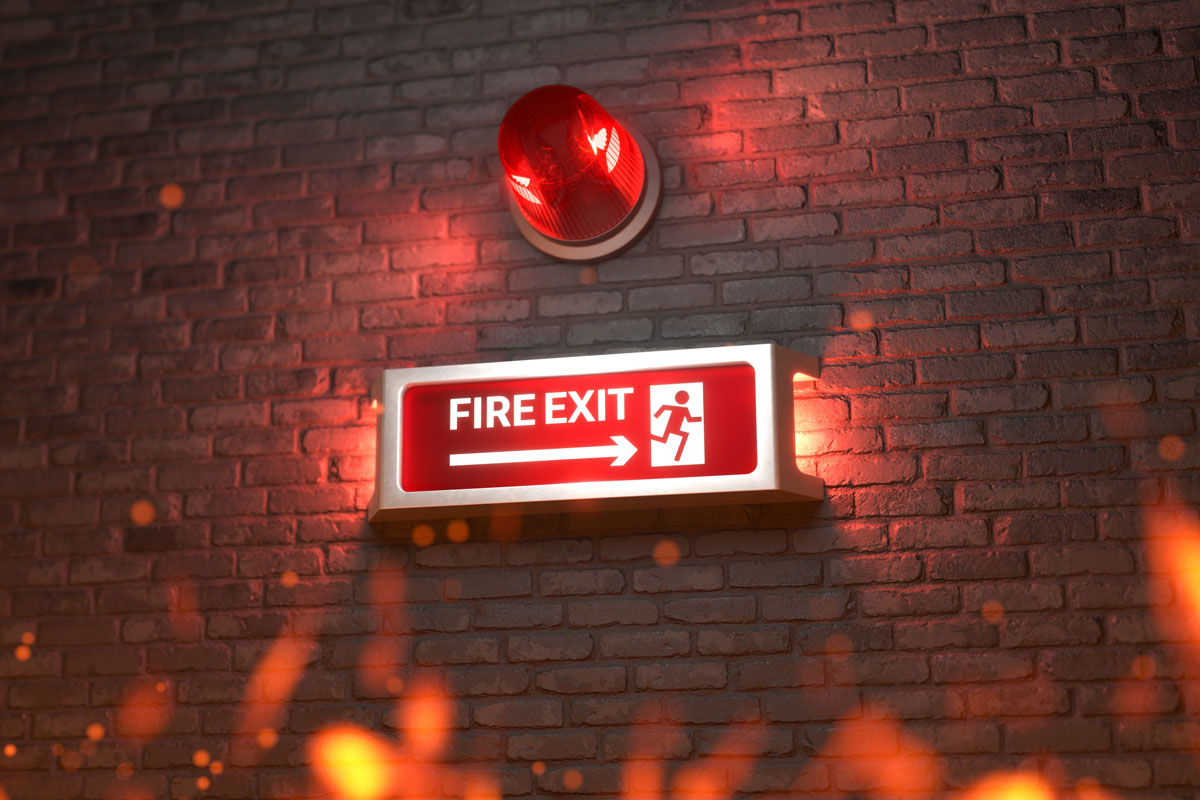
A fully operational and maintained fire detection and warning system, clear fire safety signage, and unobstructed and accessible means of escape are vital. However, well trained and responsive staff giving clear instruction can make all the difference between an orderly and safe evacuation of the premises and utter confusion: they are an indispensable element of good fire safety management.
Regular fire drills ensure that staff are prepared and that any concerns with the fire evacuation arrangements can be identified and addressed which should avoid any ambiguity (on the part of both staff and customers) when it counts.