


By Dave Hunter
Whiskey – with the ‘e’ and without it – was worth more than £140 million to Scotland’s bars, pubs and restaurants last year, according to CGA.
And while Scotch whisky accounted for the lion’s share of that value – more than £104m – the dynamism around world whiskey, with new distilleries and products appearing every year, means there’s more choice than ever for customers looking to enjoy whisky – whether that’s neat, in a highball or as the base of a cocktail.
Brand owners contacted by SLTN reckoned Scotch will continue to dominate the sector in Scotland, but predicted that international names will account for a growing share of sales in the years to come as consumers experiment with new flavours and products.
“Scotch will absolutely remain the backbone of Scottish bars and pubs. The heritage, provenance and sense of national pride behind Scotch are unrivalled, and that loyalty is not going anywhere in 2026,” said Ryan McFarland of Drinksology Kirker Greer, the company behind Irish whiskies Kirker and Born Irish as well as American whiskey brand Bowsaw.
“However, imported whiskies are steadily growing by attracting incremental drinkers rather than replacing Scotch.”
McFarland said there has been ‘increasing interest’ in whiskies from Ireland, Japan and India in recent years, with younger consumers in particular seeking out different flavour profiles.
Scottish consumers, said McFarland, are not ‘stuck in their ways’ as such, but they ‘do need a reason to explore’.
“The dominance of established names reflects familiarity and distribution as much as preference,” he said. 
On the Scotch side of the fence, Ian Logan of independent bottler Duncan Taylor Scotch Whisky said he does expect imported brands to eat into the Scotch whisky category, ‘though not to a degree to worry overly about’.
As a bottler, there are several world whiskey producers Duncan Taylor is keeping an eye on, said Logan, including Taiwanese distiller Kavalan, Australian producer Starward, Three Ships in South Africa and Macmyra in Sweden.
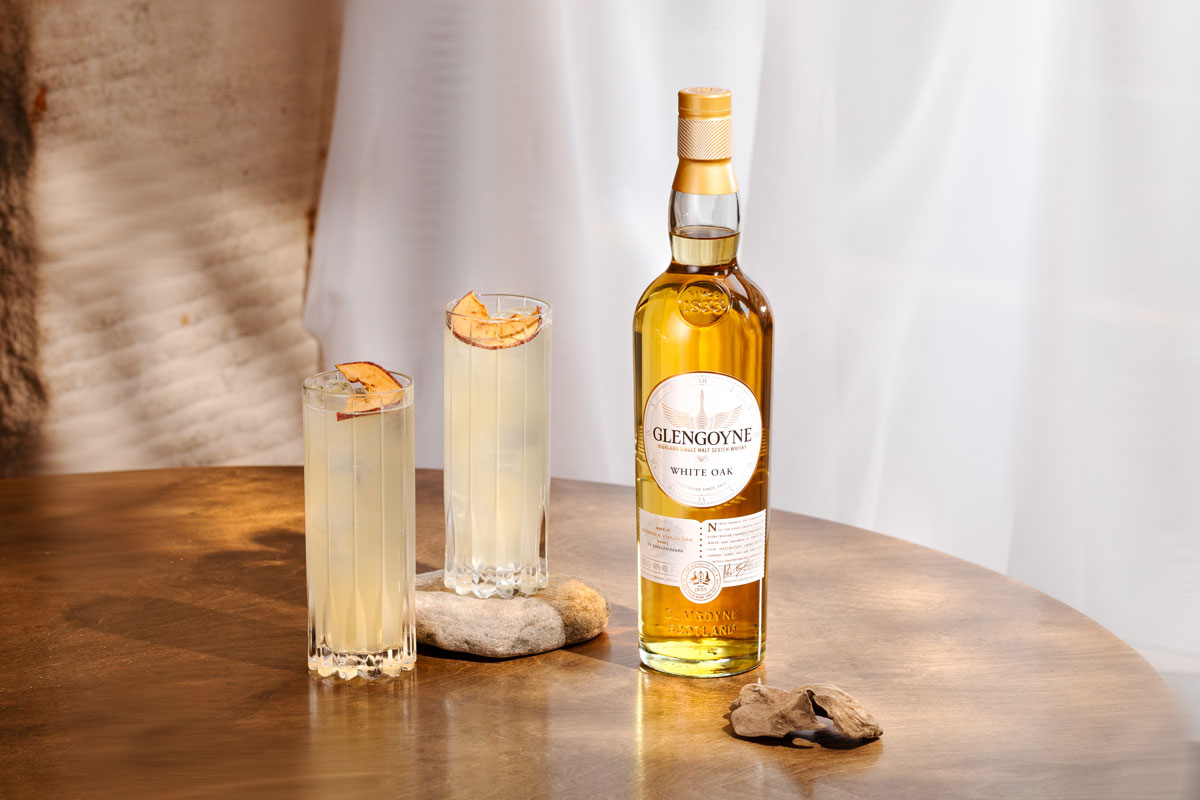
Traditionally the on-trade has been the place where people try new products without shelling out for an entire bottle and Katie Burns of Ian Macleod-owned single malt Glengoyne said that bars and pubs are well positioned to cater to this demand when it comes to imported whiskey.
“The on-trade provides the perfect environment for trying new styles.”
“The on-trade provides the perfect environment for trying new styles without committing to a full bottle,” she said.
“This isn’t due to people being ‘stuck in their ways’, but rather a reflection of genuine exploration.”
And although the target demographics of Scotch and imported whiskies are similar, there is a difference in mindset, according to Rachel Murray of International Beverage, which owns Old Pulteney, Speyburn, Balblair and anCnoc in Scotland, as well as Prakaan in Thailand and Cardrona in New Zealand.
“Scotch is still associated with familiarity, ritual and reassurance, appealing to consumers who value heritage and the tried and tested,” said Murray.
“New world whisky by contrast, attracts a more exploratory subset of whisky drinkers. Often, they are existing Scotch consumers who are motivated by discovery, new flavour profiles and cultural curiosity.
“Rather than replacing Scotch, new world whisky is typically used to extend and diversify the whisky journey, offering novelty, social currency and a sense of progression while still requiring credible quality cues to reassure more established drinkers.”

Putting together a small range of imported whiskies doesn’t have to be a particularly complicated process, said brand owners.
McFarland at Drinksology Kirker Greer advised licensees to focus on ‘diversity of flavour profiles rather than quantity’.
“A small, curated selection representing three or four countries will give consumers a sense of global whisk(e)y without overwhelming them,” he said.
“The key is not to overload the back-bar but to choose styles that serve different occasions and price points, ensuring clarity rather than confusion.”
That was echoed by Murray at International Beverage, who said venues should ‘offer varied price points and start small’.
“Don’t bring in 20-plus imported SKUs,” she said.
“We would also recommend avoiding using the term ‘new world whisky’; instead highlight different countries and their history of distillation. Finally, anchor your range with one or two big names to draw consumers into the category, then lead them to discover one or two lesser known brands.”
The general belief regarding imported – and in particular American – whiskies has been that their customers skew younger than the domestic variety.
And while brand owners reckoned there is still some truth to that, the shifting perception of Scotch – as more traditional attitudes around mixing it and including it in cocktails are broken down – means the spirit is now considered more accessible to that younger target market.
David McLauchlan of LMBUK, the company behind Glen Turner, said that Scotch whisky is ‘no longer seen purely as a traditional sipping category’.
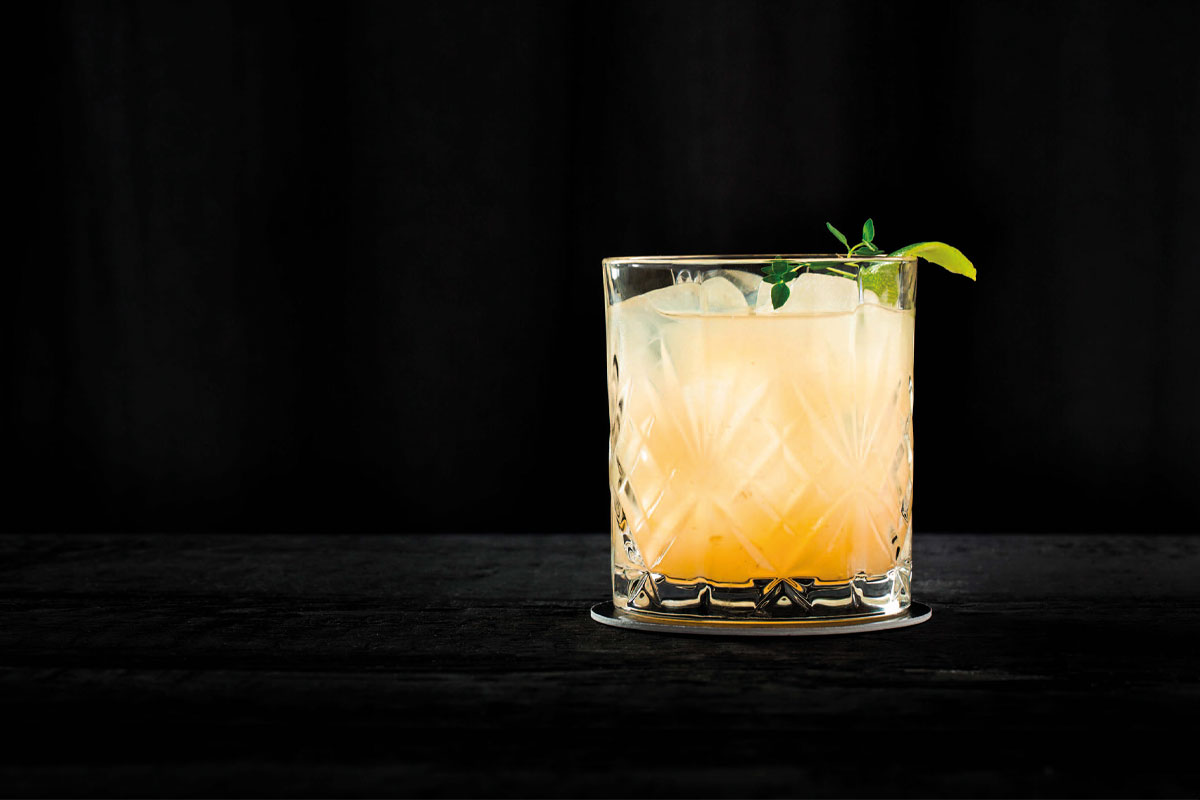
“Scotch has successfully targeted younger consumers through cocktails, highballs and well-executed perfect serves, helping it stay relevant while retaining its heritage advantage,” said McLauchlan.
In fact, contemporary, accessible serves might be one of the biggest opportunities for whisk(e)y in general.
“Focus on serves and simplicity,” said McLauchlan.
“Highballs, lighter cocktail options and clear ‘perfect serve’ suggestions work extremely well.
“Scotch has demonstrated that when presented in a modern, approachable way, it resonates strongly with new consumers.”
And, as always, the best way to ensure the spirit is accessible to new customers is to have informed staff behind the bar.
“Use brand ambassadors, staff visits to local distilleries, tasting flights, simple long drinks that can also be made at home, incentives for staff focusing on long drink creations and/or volume sold,” said Logan at Duncan Taylor. “Offer the chance for staff members to attend a local whisky show, it’s almost a ‘Meet the Maker’ opportunity, depending on the event.”