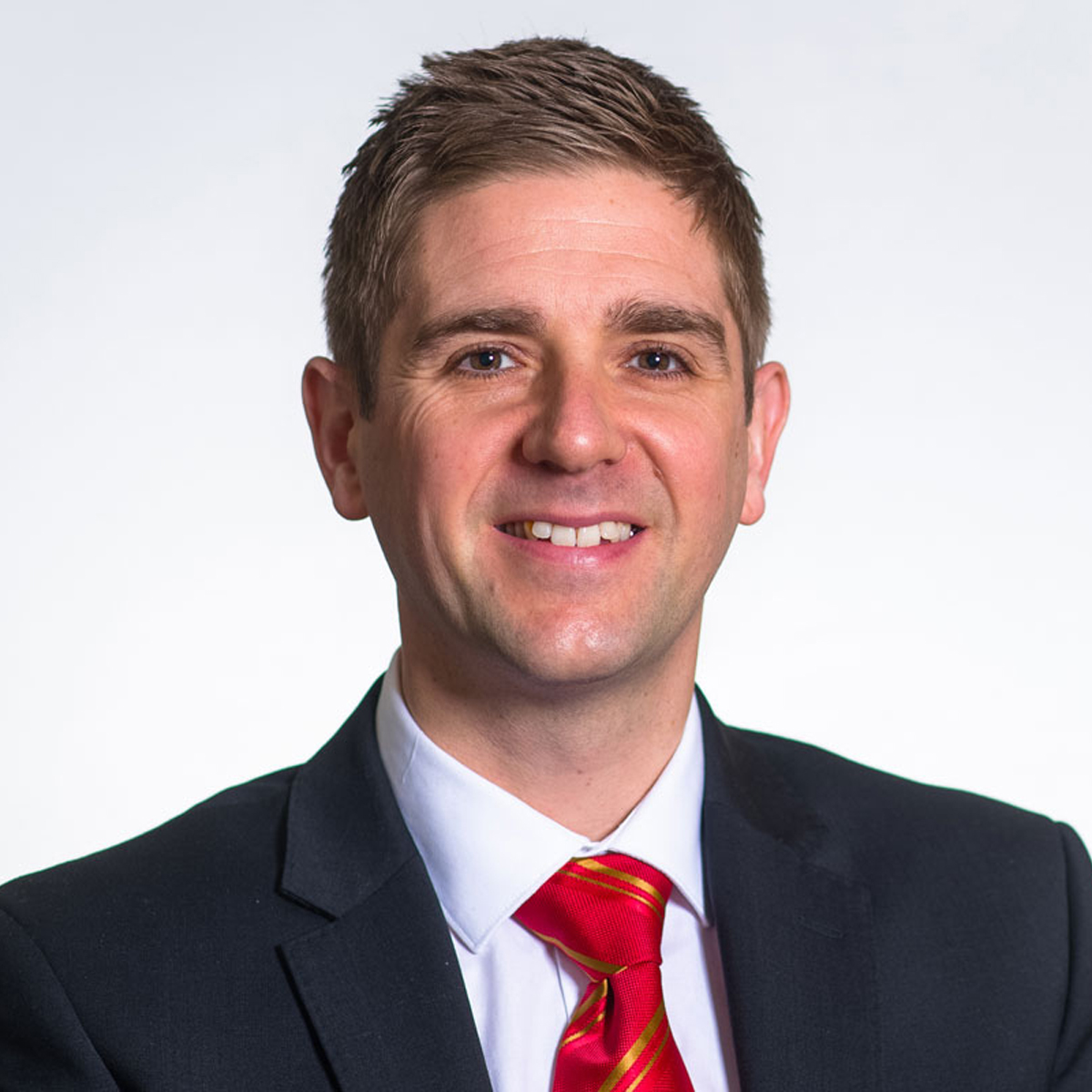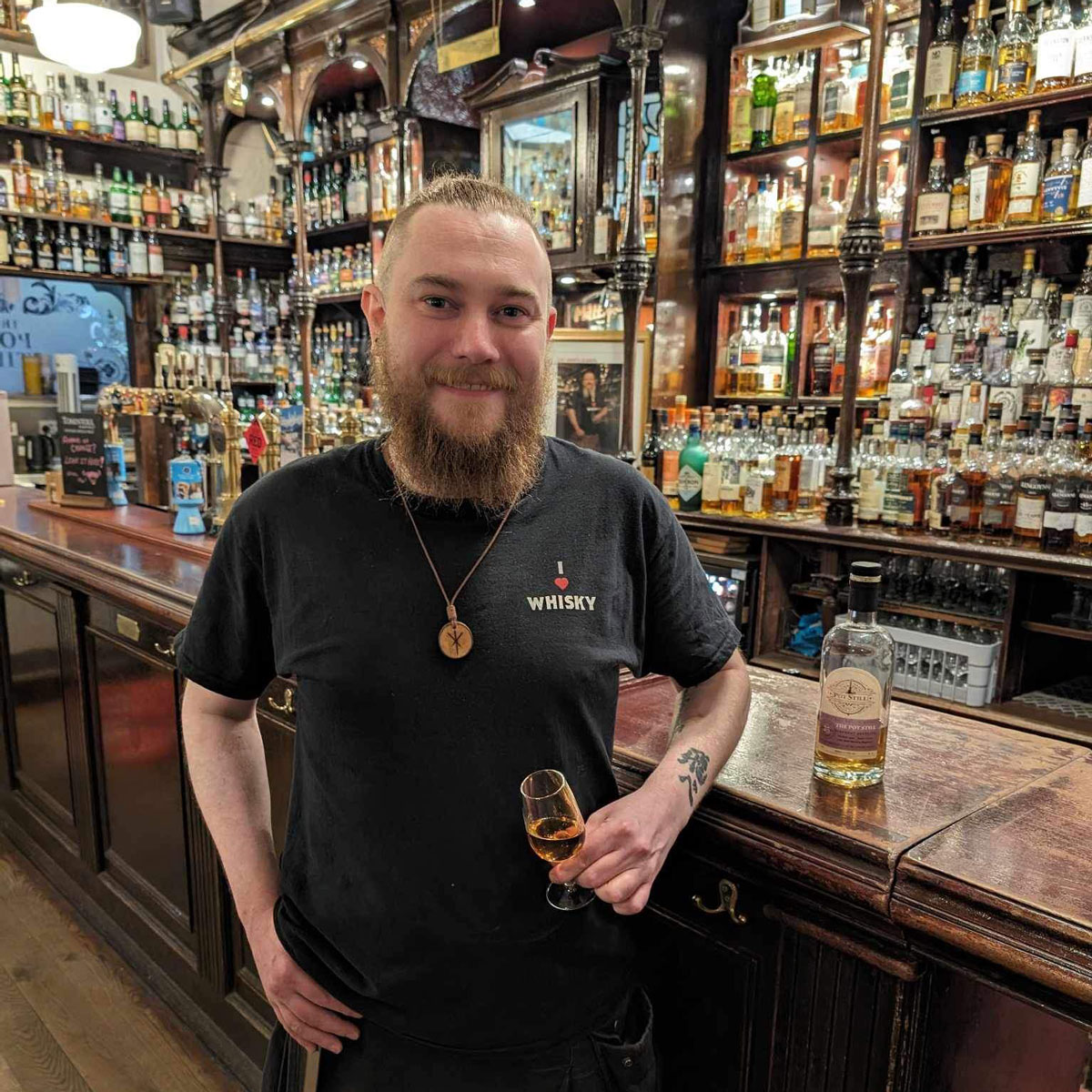
By David Lapsley, lead consultant / sommelier, Òstair Consultancy
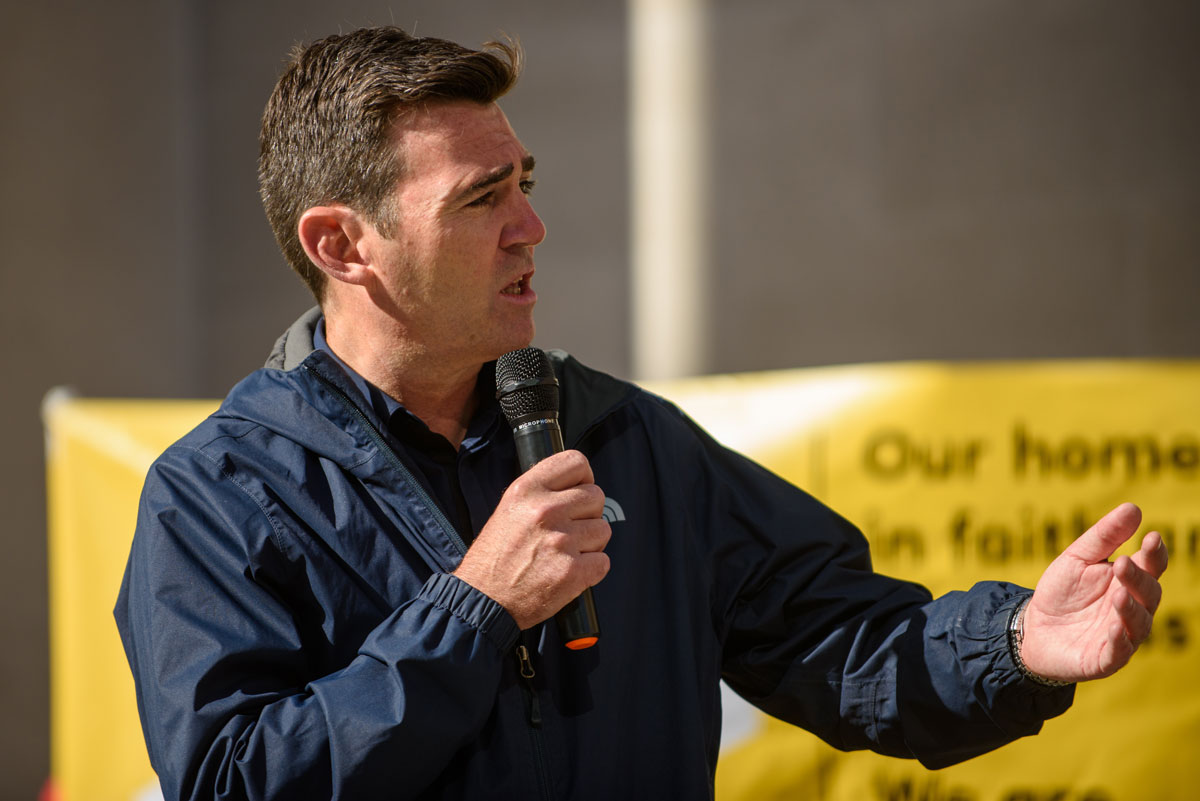
For Scotland and the UK’s hospitality industry, Andy Burnham’s arrival to Downing Street offers something we have been missing for some time: the possibility of being understood before being taxed, regulated or expected to absorb another rise in costs.
Our optimism is understandable. Burnham publicly supported reducing hospitality VAT from 20% to 10%, bringing us closer to rates used in several European countries. Chefs and restaurateurs including Tom Kerridge and Tommy Banks have welcomed that position, arguing that businesses facing higher wages, employer National Insurance, energy bills, food inflation amongst other costs urgently need breathing space which is something we can all agree on, I think.
His record in Greater Manchester does give us further reason for hope. As mayor, Burnham appointed the city-region’s first Night-Time Economy Adviser, backed dedicated strategy for nightlife and hospitality, supported skills programmes for recruitment and retention, and developed the Bee Network, including later and more integrated public transport. These were not headline gestures alone. They recognised that hospitality depends on people being able to work, travel, feel safe and build sustainable careers.
Greater Manchester also strengthened its visitor economy during his tenure, while Manchester developed a reputation for investment, culture, food, entertainment and confident regeneration. Burnham’s approach, sometimes described as “business-friendly socialism”, suggests he understands that successful places require both commercial confidence and public infrastructure.
Yet Number 10 is a different test. Manchester’s growth did not begin with Burnham, and much of its regeneration was built on strategies, partnerships and institutions established long before he became mayor. Nor were the benefits shared evenly. Significant deprivation remained across parts of Greater Manchester, reminding us that cranes, hotels and busy restaurants do not automatically deliver prosperity for every community.
However, without leading Labour at the 2024 general election, this does raise a question of mandate.
That need not prevent, but it increases the importance of openness, consultation and proving that policies serve every nation and region, rather than just exporting Manchester’s model.
The same caution must apply to us. Supporting a VAT reduction is not the same as delivering one. The Treasury will demand a funding plan, while any reform must avoid favouring large groups at the expense of independent hotels, pubs and restaurants. A tax cut must also form part of a wider settlement covering business rates, employment costs, skills, transport and city renewals.
Burnham begins with goodwill, but not a blank cheque. We should welcome a Prime Minister who has previously treated the sector as economic and cultural infrastructure rather than an optional luxury. We should also judge him by decisions, timescales and measurable outcomes.
There is now a genuine opportunity for change: a fairer tax environment, stronger local economies and a government that listens to operators. Our mood should be hopeful, but realistic. Manchester provides encouraging evidence of Burnham’s instincts. The country will now discover whether those instincts can become credible national policy.