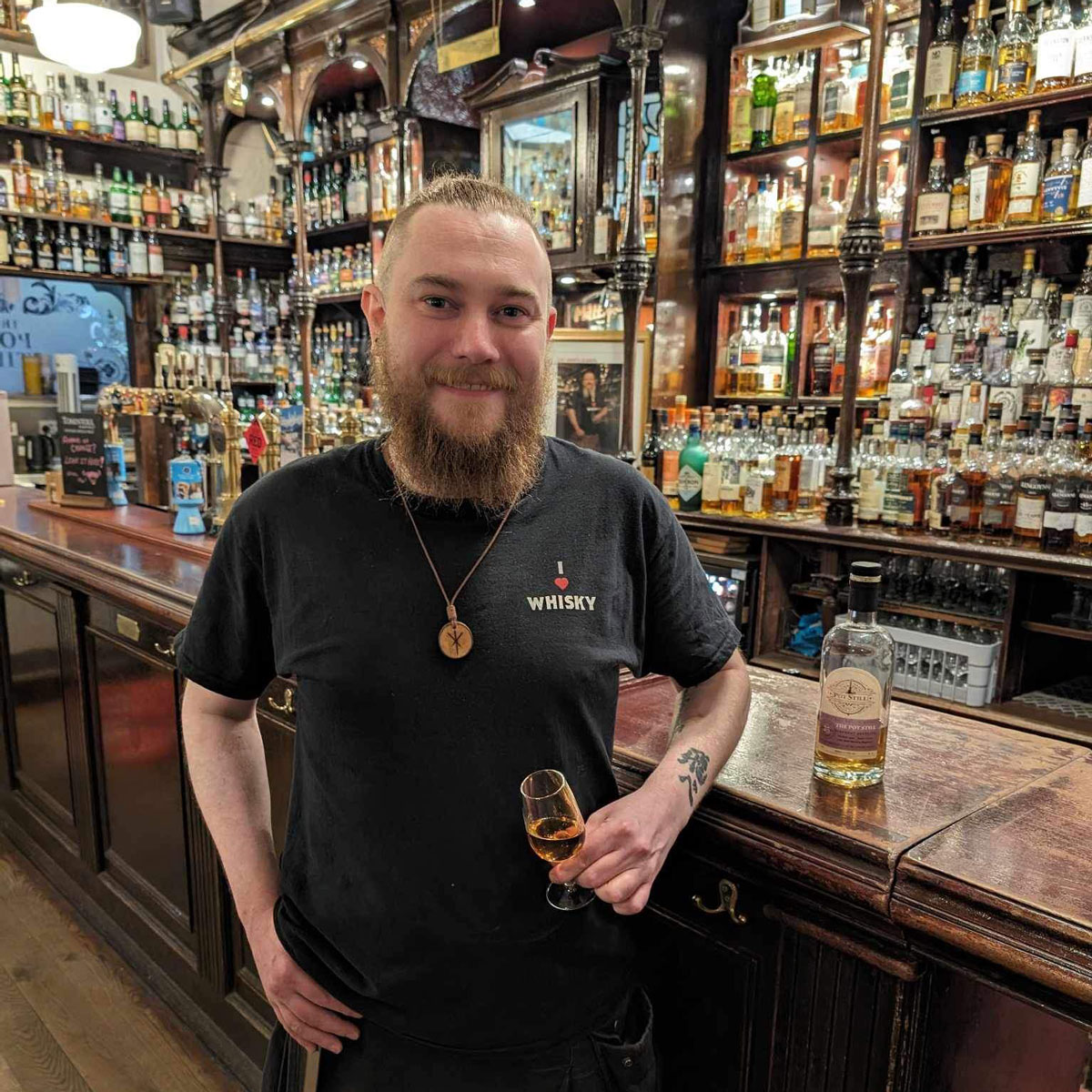

By David Lapsley, lead consultant / sommelier, Òstair Consultancy
Across hotels, restaurants, inns, and rural retreats, operators across Scotland are reaching a defining moment. The conversation is no longer simply about occupancy or room rates. Instead, the industry is navigating two major shifts that are reshaping hospitality: the rapid rise of AI in travel planning and a growing demand for experience-led hospitality over traditional luxury alone.
AI has quietly become one of the most powerful gatekeepers in travel. Increasingly, guests are no longer beginning their journey through Google searches or traditional travel agents. They are asking AI platforms where to stay, what to do, and which experiences best match their interests. For Scottish hospitality businesses, this presents both a challenge and a significant opportunity.
The challenge is visibility. Many independent hotels, guest houses, and restaurants across Scotland still lack the structured digital presence that allows AI tools to confidently recommend them. A property may offer exceptional whisky experiences, outstanding local produce, or unrivalled access to the Highlands, but if that information is buried within outdated websites or inconsistent online listings, it risks becoming invisible to tomorrow’s traveller.
The solution is not technology for technology’s sake. It is about clearly communicating identity and experience. Strong storytelling, consistent online content, short-form video, locally focused blogs, and accurate amenity information are becoming essential tools for modern hospitality marketing. AI will increasingly reward businesses that can clearly articulate who they are and what makes them memorable.

Alongside this, the traditional definition of luxury continues to evolve. Guests are increasingly searching for authenticity, wellness, and meaningful experiences rather than simply premium finishes or formal service. In Scotland, we are exceptionally well positioned for this shift. Our strengths already lie in immersive experiences, whisky tourism, wild landscapes, local food provenance, natural escapes, and genuine human connection.
Generic hospitality is becoming less competitive. The businesses thriving today are those with a clear identity and a strong sense of place.
Food and beverage also continues to play a defining role. Across Scotland, guests increasingly choose destinations based on dining reputation as much as accommodation quality. A disappointing food experience can undermine an otherwise exceptional stay, while strong local sourcing and memorable dining create loyalty, advocacy, and valuable direct recommendations.
Economic pressures remain significant. Rising operating costs, labour shortages, and cautious consumer spending continue to challenge operators across the country.
Yet despite these pressures, there remains that unmistakable Scottish optimism. The Tartan Army in the USA were perhaps Scotland’s greatest hospitality ambassadors, and there is a real opportunity for our industry to showcase what we do best: embracing technology intelligently, understanding our guests deeply, and delivering experiences that genuinely reflect the warmth, character, and authenticity of Scottish hospitality.