 Equipment failures at a busy time are the last thing an operator needs
By Dave Hunter
That busy festive season can take its toll on a venue in a lot of different ways.
Glasses looking a little scuffed? Ice cubes coming out cloudy?
It might be time to consider upgrading that well-worn equipment.
The human side of hospitality – from service to creative serves and recipes – will always be the defining aspect of any venue, but even the best service or most imaginative cocktail is likely to be compromised by substandard equipment.
And that’s setting aside the health implications.
“Using a machine after its lifespan can lead to increased costs and poor hygiene.”
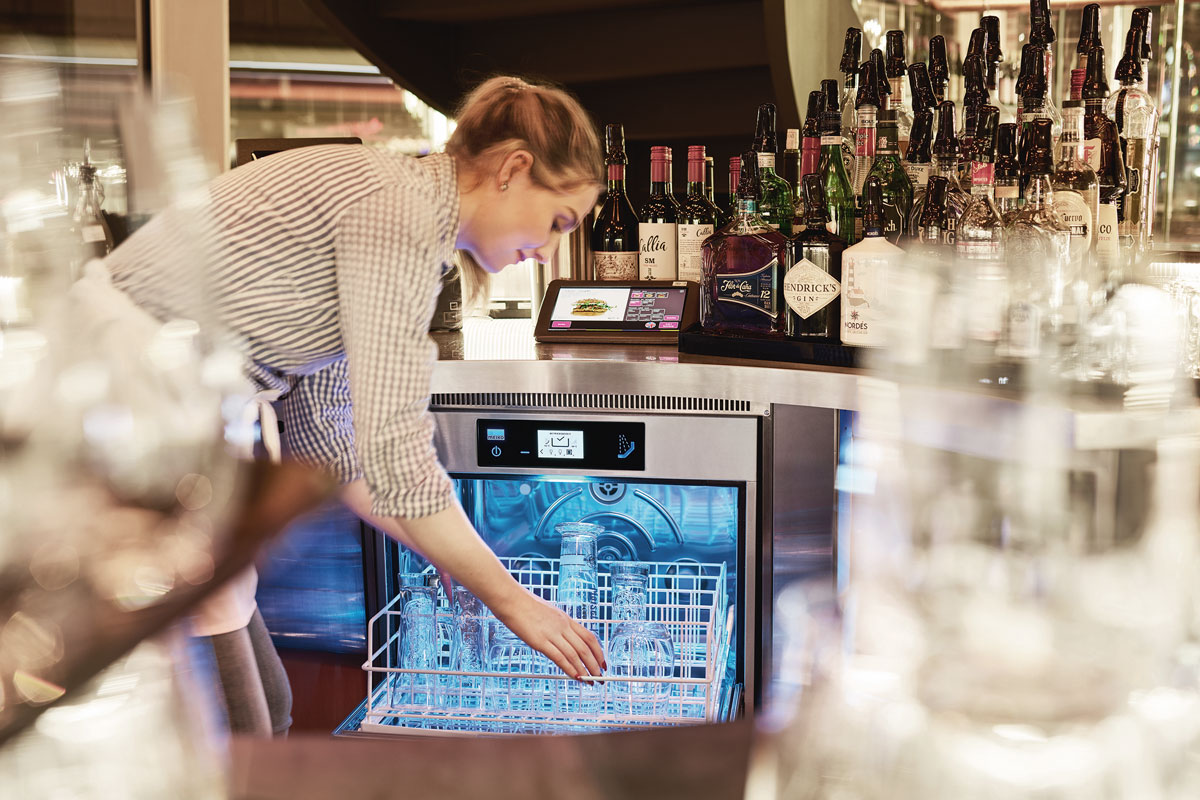
A spokesman for warewasher specialist Meiko said that equipment that’s used after its effective lifespan can lead to ‘increased costs and possibly poor hygiene’.
“Inefficient machines will need more energy, and their thermostats – which should be checked for accuracy every six months or so – may be inaccurate, meaning rinse temperatures may not be hot enough to achieve sanitisation,” he warned.
The technology available continues to evolve, and the Meiko spokesman said heat recovery – which saves energy, cutting running costs – has been one of the biggest innovations in recent years.
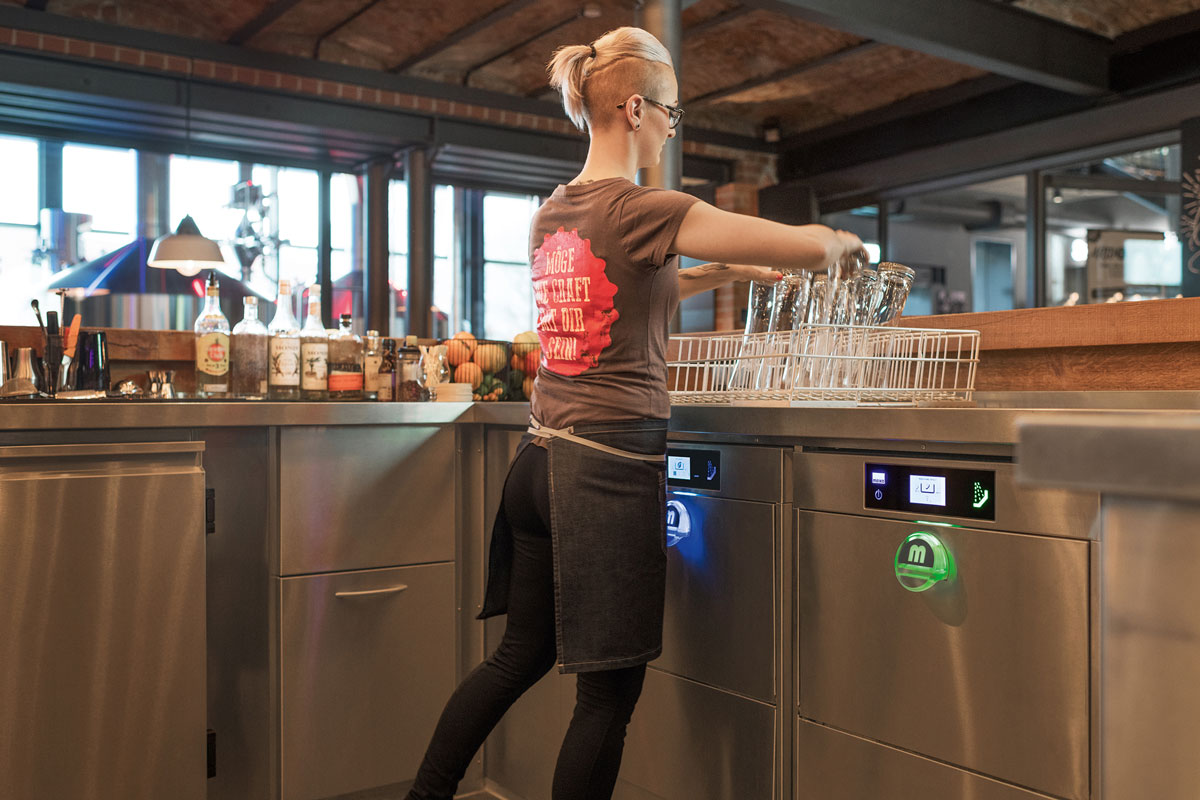
He pointed to one of the latest Meiko washers, which is 21% more energy efficient than the previous generation of model, as an example.
That was echoed by Paul Crowley of another warewasher specialist, Winterhalter, who said “saving running costs and getting the best possible wash results, reliably, are the two key criteria for most foodservice operators”.
He said that recent tweaks to the Winterhalter range have included redesigns of the company’s washers to make them more effective.

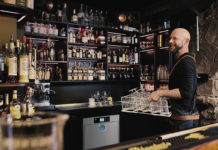
And Crowley stressed the importance of having a reliable glasswasher in situ, stating: “Reliable glasswashers are essential back-bar, otherwise the operation would grind to a halt.
“If a machine breaks down or has insufficient capacity then the supply of clean glasses will not keep up with demand and service will be unable to continue.
“So don’t go for the cheapest option when sourcing a glasswasher, look at reliability, after-sales service and availability of spare parts.”
He added that mistakes can be avoided (or at least reduced) by opting for a unit that’s easy to use.
“Many have single button controls – and training may only take a few minutes,” he said.
Chillers are one of the essential pieces of kit that have a reputation for being power-hungry. And here, too, technology has continued to develop.
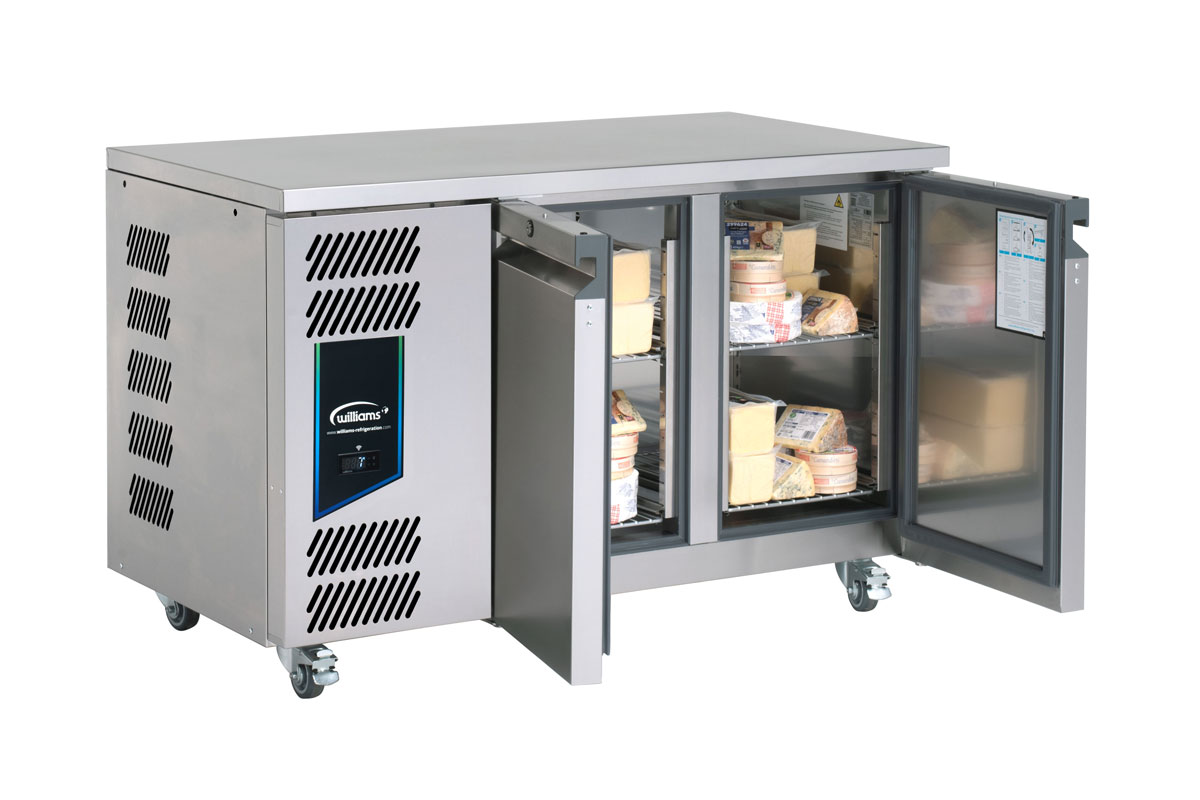
“Energy-saving and sustainability are increasingly important considerations,” said Malcolm Harling of Williams Refrigeration.
“Features like thicker insulation, self-closing doors and smarter internal air flow designs will help with energy efficiency.”
Innovations elsewhere in the venue have also helped to change the way orders and payments are taken in all kinds of venues.


Alison Lambie of Sims Automatics said: “The biggest change that is now becoming almost essential in the bar/restaurant environment is the use of hand-held units for order taking.
“The change that’s becoming essential is the use of hand-held units for orders.”
“Whilst this has been around for a while, we’re now finding even the smallest of venues have this as well as card integration as a standard feature.”
And online connectivity has helped to expand these services even further, said Lambie.
“Cloud-based software on tills makes it easy to incorporate any changes updated remotely without having to visit the site in person and can also be scheduled in advance for important events or busy times of the year,” she said.
“Reports are available on daily takings and can all be monitored on a daily basis.”
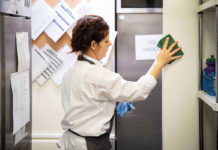
And regular maintenance is likely to extend the time until you start seeing those scuffed glasses and cloudy ice cubes again.
“Daily maintenance by bar staff should be an essential part of keeping the equipment not only clean for customers but also to prevent breakdowns,” said Lambie.
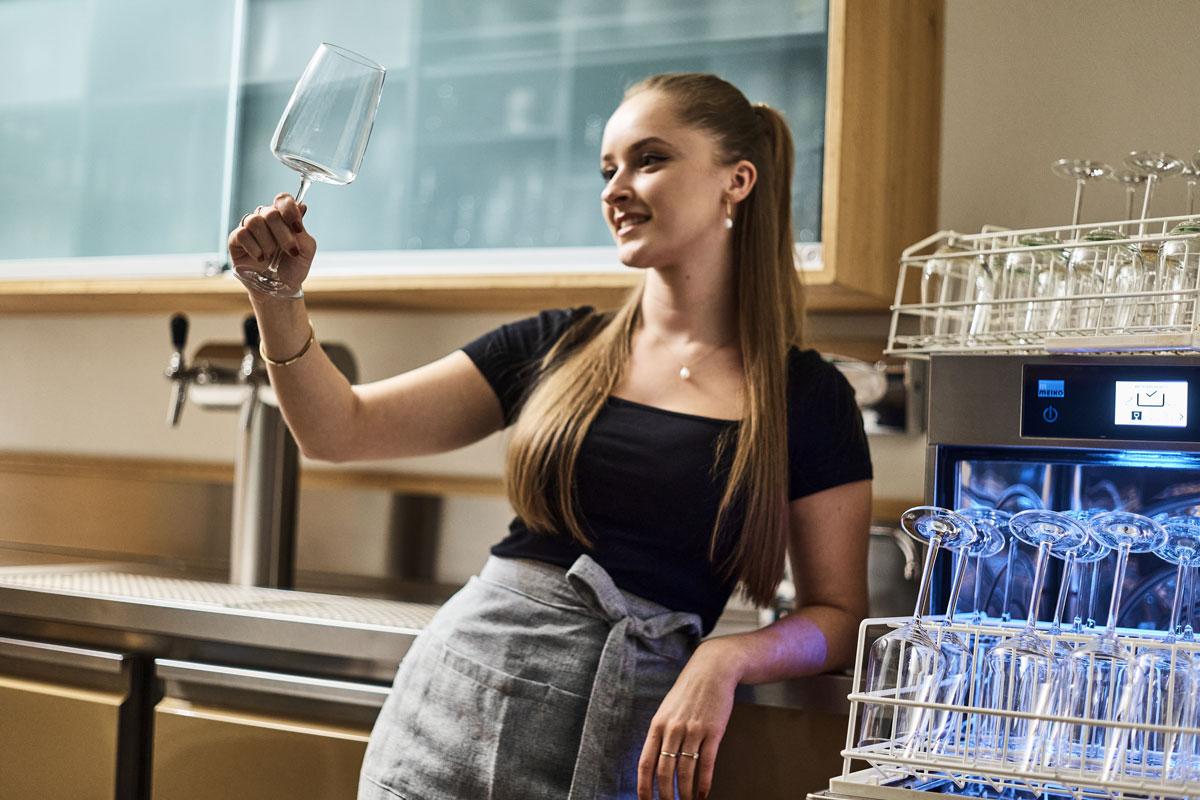
“Having equipment fail at the last minute can be like losing a member of staff off a shift – that’s the last thing you want on a Saturday night!”
That was echoed by Crowley at Winterhalter, who warned: “If the machine has self-diagnostics and warning sounds or symbols don’t ignore them. They have been designed to ensure the smooth running of the equipment.”