SLTN Award winner calls for greater political engagement with hospitality businesses at a national level
By Dave Hunter
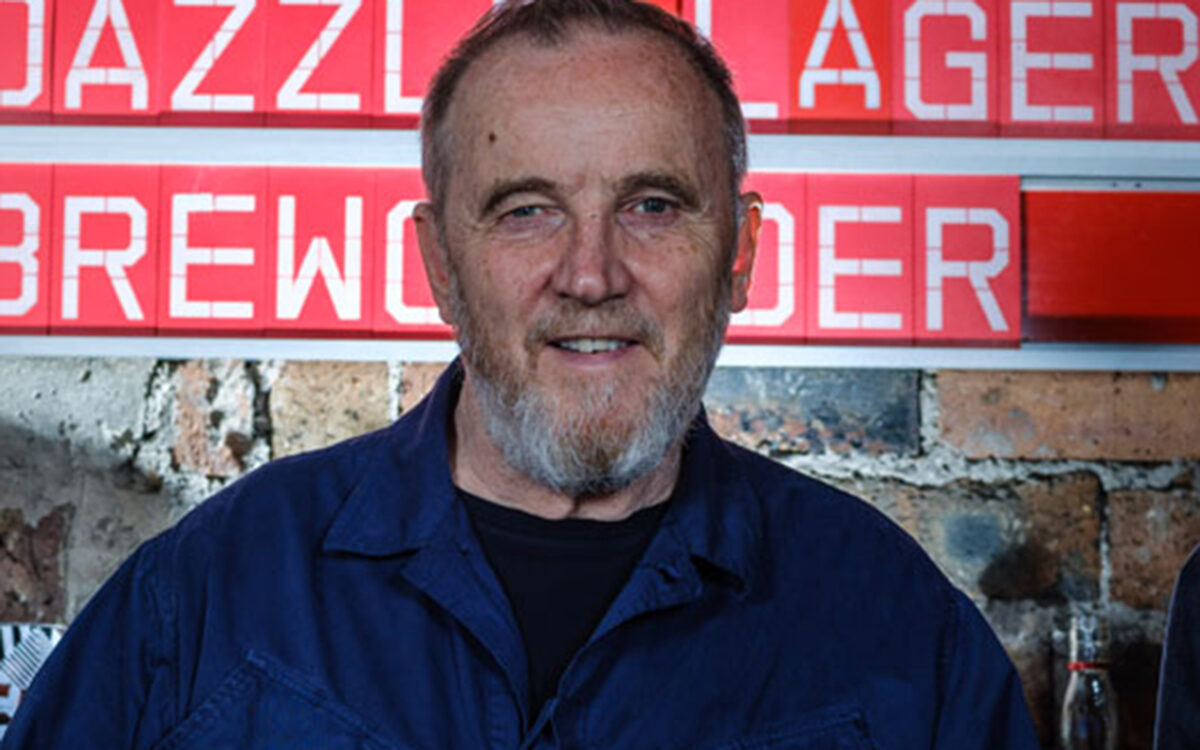
A lack of business understanding at government level was one of the big topics when SLTN caught up with veteran nightclub owner Mike Grieve last month.
Mike, who has worked in the trade for nearly fifty years, took over the running of Glasgow’s Sub Club in 1994, becoming joint owner of the club in 2002.
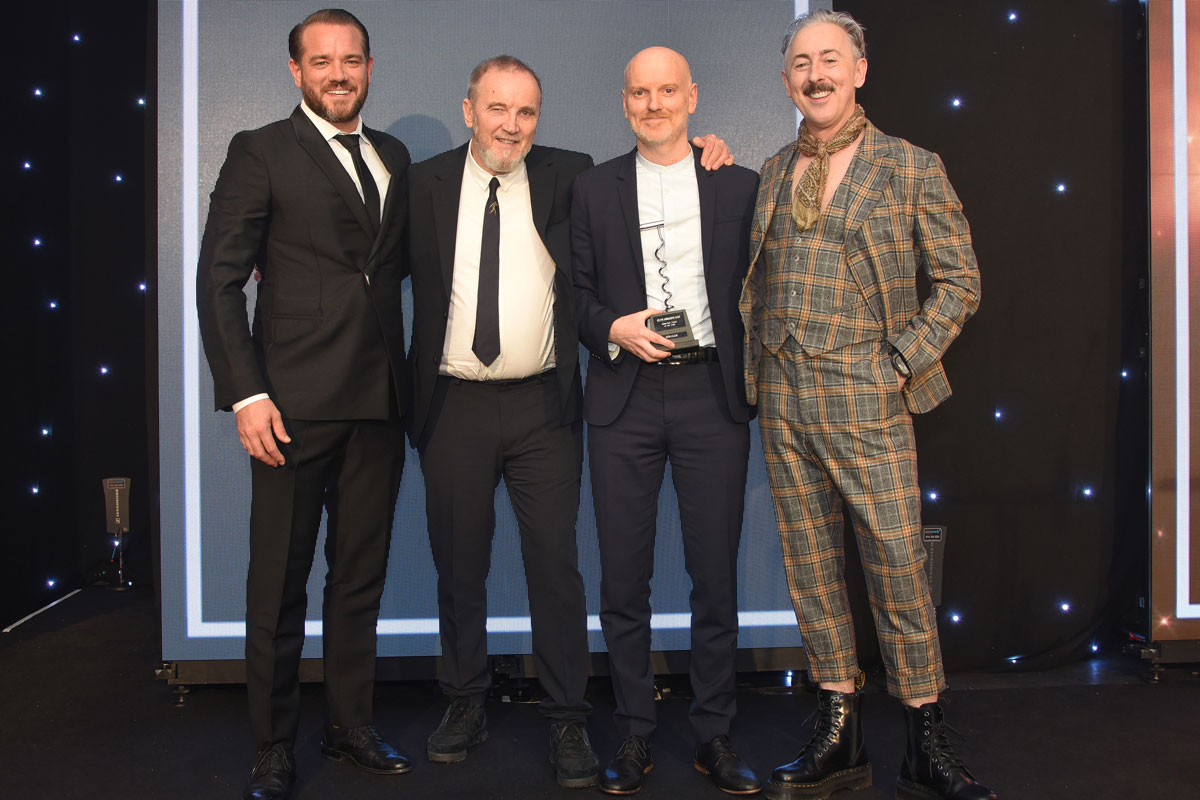
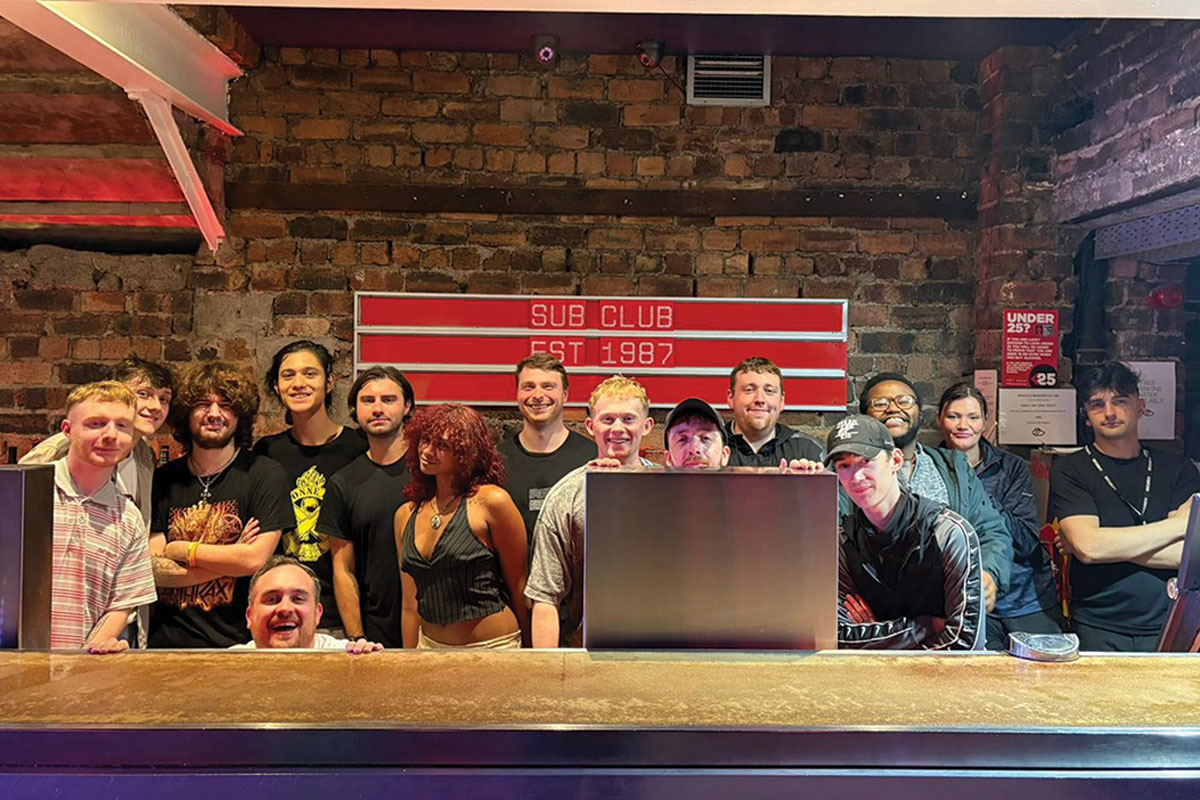
Like many businesses, Sub Club – which dates back to 1987, making it one of the oldest dance clubs in the world, and was last year named SLTN Music-Led Venue of the Year at the SLTN Awards – has seen its costs increase dramatically in recent years.
And the challenges aren’t being helped by what Grieve described as a lack of business understanding at Westminster and Holyrood.
He said that governments haven’t grasped the scale of the challenges faced by hospitality, in part, because they are too quick to equate footfall and turnover with profits – a mistake no one in the trade is likely to make.
“There’s a perception that we’re making money.”
“There is this perception that people in business are making money. That your base level is that you’re making money, it’s just how much you make,” said Mike.
“Whereas in actual fact the base level is that you’re losing money hand over fist and you’re struggling to just get your head above water all the time.”
Keeping a business alive through adversity is something Mike has had both positive and negative experiences with.
In the mid-1980s he and a business partner started a regular club night in Aberdeen, named Bang Club.
A few years later, with the UK on the brink of rave culture, they opened their own club in the city, named Fever.
Though he now describes the club as a ‘proving ground’ for him, Fever was ultimately ill-fated, and when it shut, it took Mike’s financial wellbeing with it. In his early thirties he was left bankrupt.
He reckons now that this is another thing governments don’t fully appreciate about business owners: the level of personal risk they take on.
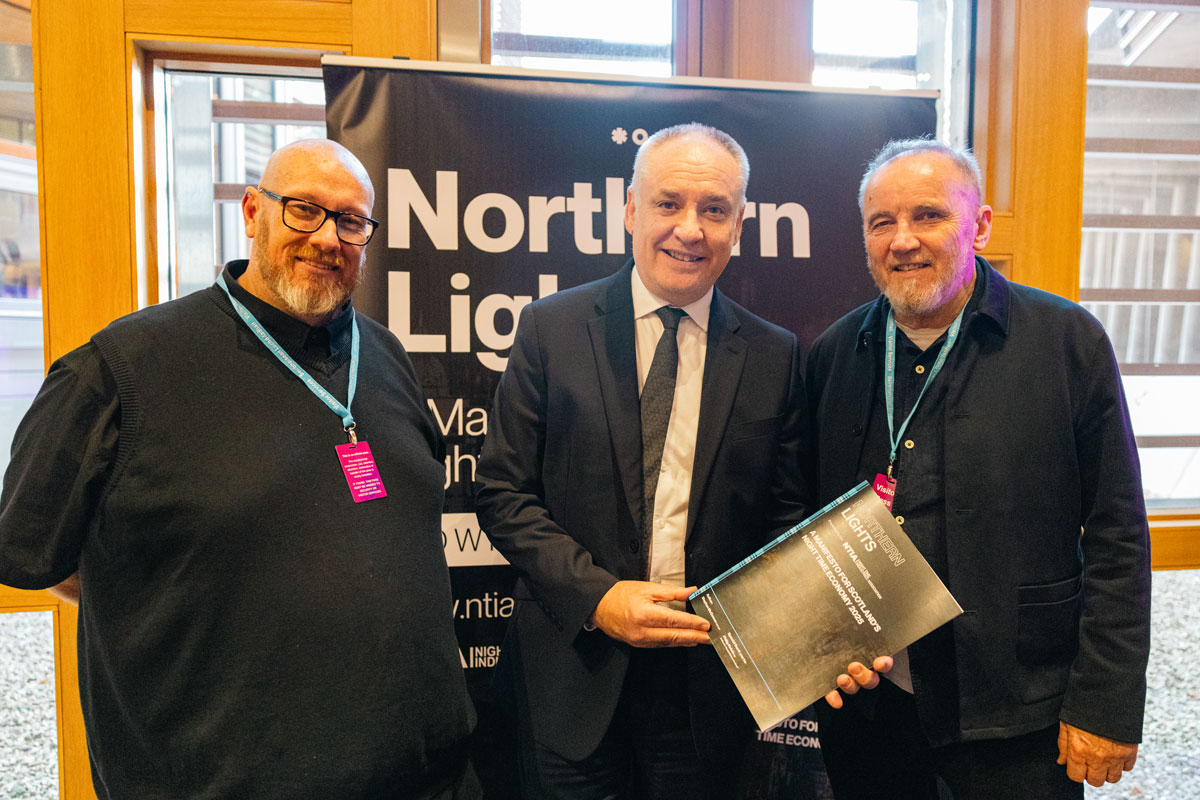
“I don’t think they understand that most businesses don’t have a safety net,” he said. “It’s people putting their whole livelihoods on the line when they start a business.”
Relocating to Glasgow, Mike worked for another legendary operator – Colin Barr – for a year before being recruited to run the Sub Club.
“I had a wee girl, a family to keep, and I needed something a bit longer term.
“But I still only thought I’d give it a year or two. Here I am 33 years later still doing it,” he told SLTN.
The 1990s saw Mike working 70 to 80-hour weeks to keep the club fresh and thriving. And the challenges weren’t over yet.
In late 1999, with the lucrative Millennium parties just weeks away, the Sub Club’s neighbouring building was engulfed in fire.
The structural damage to the building, as well as extensive water damage to the club, forced it to shut for the next three years.
Mike and the team kept the name alive through hosting regular Sub Club nights in other Glasgow clubs, before refurbishing and reopening Sub Club in 2002 – this time with Mike as co-owner.
“I can picture myself thinking ‘I can’t believe we’re doing this’.”
“I can picture myself exactly where I was the night before we opened thinking ‘I can’t believe we’re doing this’. I was absolutely shitting myself, to be honest. Ten years before that I’d gone bankrupt with the business in Aberdeen.
“But we had the belief that it would work, and it did. We reopened a better club than the one that we closed, by some margin.”
In the years since, Sub Club has continued to serve Scottish clubbers with a combination of popular resident DJs and world-famous guests.
“It’s very important to us that we have that base of resident DJs. They’ll be there in their bath chairs eventually, because they’re getting on a bit. But that supplemented with bringing in international and other DJs. And the reason for doing that is we’re not going to bring in DJs that do the same thing our DJs do.


“The only reason to bring somebody halfway across the world to play alongside our residents is if there’s something different about what they do, and if they have exceptional ability.”
Along the way, the business has had to adapt to a changing market, with particular artists or events requiring more promotion than might have been in the case in the past.
Mike explained that advance ticket sales were rare back in 1994, but now count for a significant share of any sales.
And different events, with diverse target audiences, require different promotional approaches.
“It’s a management issue for us. It’s resource-heavy,” he said.
“Some things need a longer lead-time, not necessarily because they’re less commercially viable, but one particular artist’s audience might need three months lead time because they’re older and they need to organise the babysitters. If you’re aiming for a 19 year-old audience it can be a bit more spontaneous and it can just be two weeks out, bang, put it up and everybody buys a ticket.
“So there’s a lot of variations and you need to take all of it into account.”
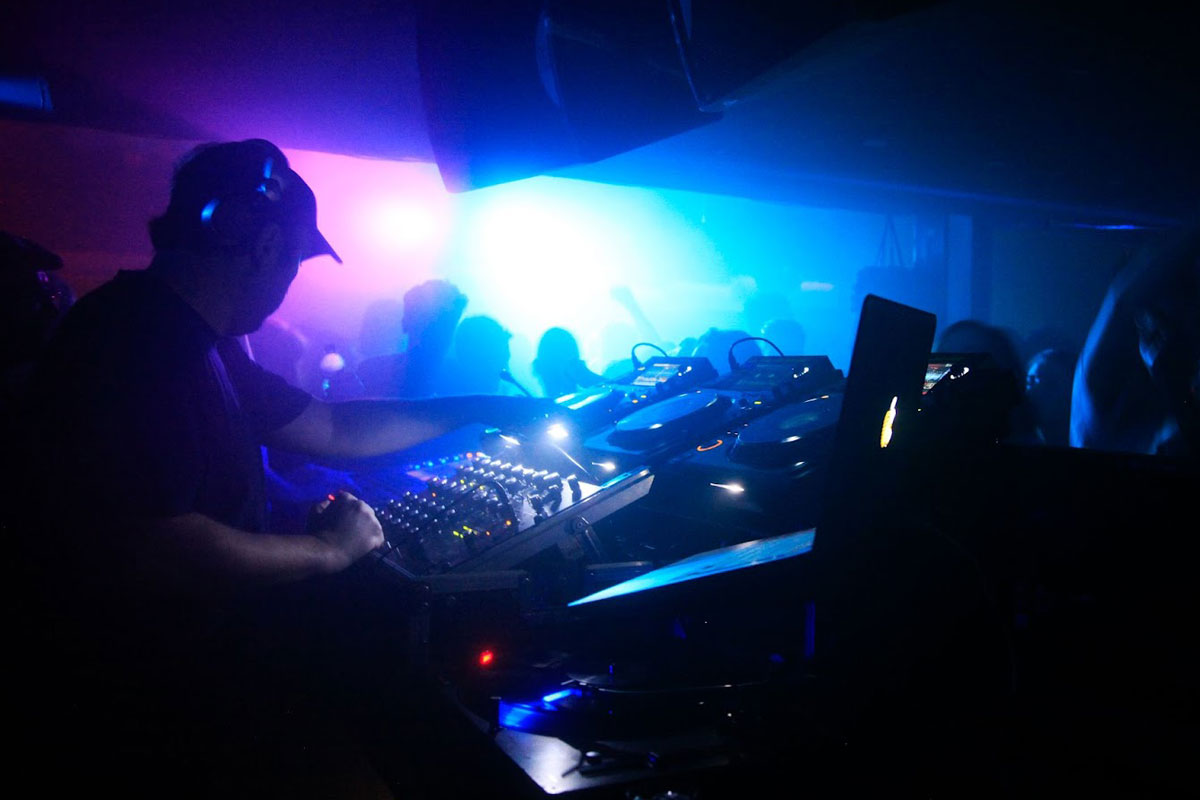
It’s hard work, and Mike is aware that that’s true across the sector. Two years ago he was asked to participate in a group reporting into the Glasgow City Centre Taskforce, providing a perspective on the city’s nighttime economy.
The result of that work, he said, will be announced by the City Council shortly.
But although he’s optimistic about positive developments at a local level, he is also adamant that there needs to be more national intervention. It’s something he has lobbied for through his work with trade group NTIA Scotland.
He said: “The key thing for that is for a national nighttime economy strategy, and the nighttime economy generally, being part of an individual minister’s portfolio, rather than being fragmented across a whole load of different ministerial portfolios.”