
With few exceptions, pub, restaurant hotel and members’ club operators need ‘TheMusicLicence’
by Alan McKee of MCM Solicitors
It is funny to think that some of Taylor Swift or Ed Sheeran’s annual income is derived from a payment due to ‘Shake it off’ or ‘Castle on the Hill’ being played in a lounge bar in Arbroath via the publican’s Spotify…
Generally speaking, if you operate a pub, bar, restaurant, hotel or members’ club in Scotland and you play music in the premises, be it background music, a TV with the sound on, have a DJ or karaoke, you will need to have ‘TheMusicLicence’.
This is a legal requirement designed to prevent breach of copyright. The Licence is enforced by licensed agents PPL/PRS.
Failure to have a licence in place can have serious consequences resulting in Court of Session proceedings for interdict being taken against you, together with monetary damages being sought.
You never quite know if the chap at the end of the bar eating a packet of scampi fries and drinking a Diet Coke is a genuine punter or a PPL/PRS agent sent to spy on you!

When do you need a licence and why?
The Copyright, Designs and Patents Act 1988 provides that playing music ‘in public’ needs permission from the relevant rights-holders unless an exception applies.
In practice, for the licensed trade, that permission is obtained via TheMusicLicence.
You will need TheMusicLicence whenever music is audible to customers or staff outside a purely domestic setting, including but not limited to: background playlists (from radio, TV, streaming or downloaded files), TVs with the sound on, DJs, karaoke, quizzes with music rounds, jukeboxes, DJs, live music, and even music audible in staff-only areas such as kitchens.
What is required
• Background music in bars, lounges, dining areas or beer gardens, played via radio, TV audio, streaming, CDs (remember them?) or curated playlists is classic ‘public performance’ and ordinarily covered by TheMusicLicence. Outdoor areas attached to the premises count if the music is audible.
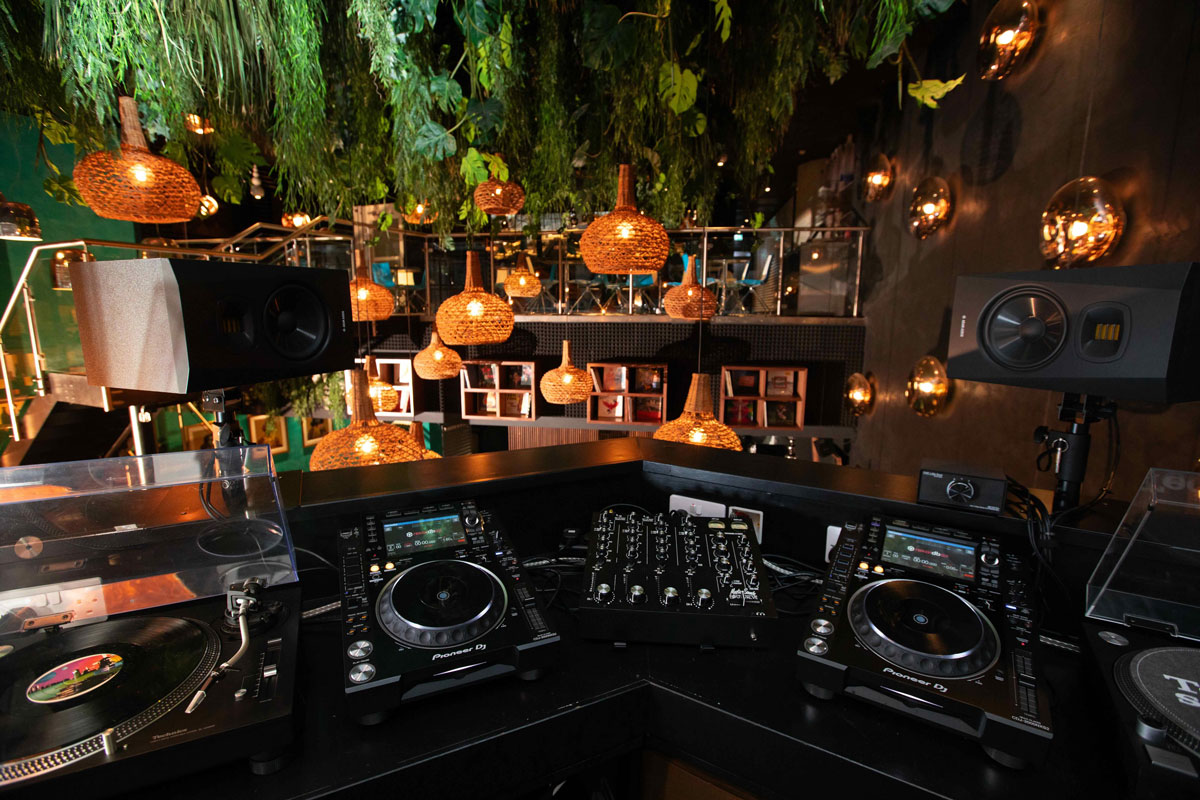
• DJs and karaoke – when recorded music is a featured attraction (e.g. a DJ night), this falls under specific PPL tariffs. You don’t get a pass on karaoke if ‘Girls Just Wanna Have Fun’ is murdered by Agnes from the high flats.
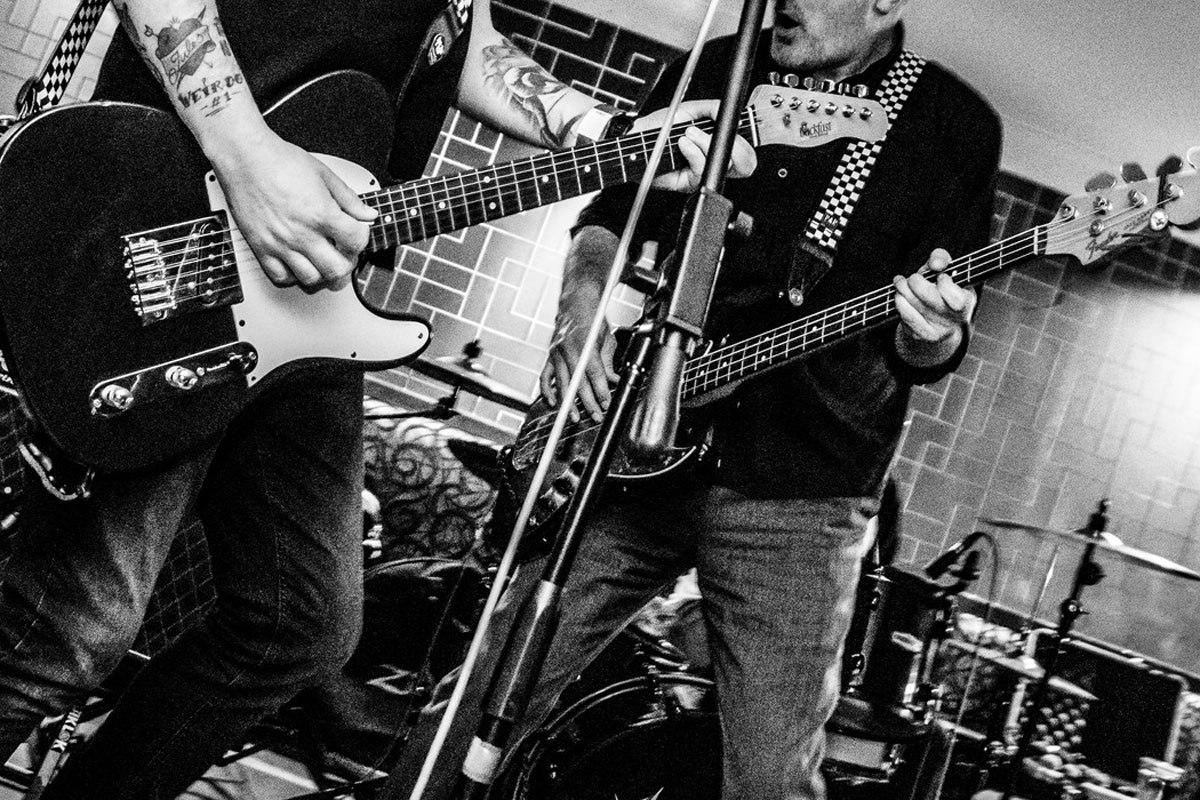
• Bands and acoustic sessions – live performances engage the PRS performing right for the songs performed and if you play any recorded music (interval tracks, backing tracks), PPL rights are also in play.
• Hotel and guest accommodation – music in receptions, bars, restaurants, gyms, spas and staff areas is typically licensable; supplying music/TV to guest bedrooms involves additional tariff elements.
How tariffs are calculated
There isn’t a single ‘one price fits all’ because fees are based on how and where you use music.
Common variables include floor area and zones, audience size/capacity, number of devices/speakers, whether music is background or live music, how often you host events, expenditure on events, opening hours, etc.
PPL and PRS each publish tariffs by sector and use.
Importantly, while TheMusicLicence provides the single point of invoicing and customer care, PPL and PRS continue to set and independently review their tariffs. Sector updates are published publicly.
Royalty free music
If you exclusively use music that is not in PRS or PPL’s repertoire and where the rightsholder has granted you explicit public performance rights for business use (i.e. genuine royalty free music with a commercial/public venue licence), you do not need TheMusicLicence.
Mixing in even a single track from commercial radio, TV or a mainstream streaming playlist means you’re back within scope for licensing.
 Enforcement and redress
Playing music without the correct copyright licence is an infringement under the CDPA and you may face civil action as noted above together with court costs, which will exceed the price of a licence.
Practical housekeeping tips
• Keep a list of every place music can be heard (bar, lounge, restaurant, beer garden, function rooms, staff areas, on-hold telephony, bedrooms). This drives tariff selection.
• Log dates, hours, capacities and admission practices for DJ nights/karaoke/club events; live tariffs depend on event details.
• Keep setlists for live music (if possible). This helps accurate royalty distribution to writers.
• Track how many screens are audible to customers and which areas they’re in; keep your TV Licence current as well as TheMusicLicence.
Case Study
I was recently instructed by a client who owned and operated a Licenced Premises in Glasgow. The venue was a bar/restaurant that hosted live music on a regular basis, in addition to playing background music via Spotify.
The owner paid a Spotify subscription and thought he was covered to play music to the public. He was not.
Back to the guy at the bar with the scampi fries and diet Coke. The chap visited the premises on two occasions over an 18 month period. He wasn’t just there for the bar snacks and soft drinks.
A report was sent to PPL/PRS with a list of songs and artists that he heard being played in the bar. This was listed in the subsequent court proceedings.
Proceedings at the Court of Session followed seeking Declarator, Interdict and Damages, one month after the second visit.
It had to be acknowledged that there was no licence in place and accordingly the process that followed was to ascertain what could be proven in terms of infringement, what fees were due for the period that could be proven and to put the appropriate licence in place going forward.
It is important to note that you will pay a higher tariff in the current year, where it can be demonstrated that infringement has been proven for previous years.
The initial tariffs sought to be applied were not what was ultimately agreed in settlement. In respect of background music played via Spotify, the initial charge sought was based on SQM at the premises. When challenged, this was agreed to be amended to what should have been applied, being number of covers, ie. the capacity of the restaurant.
Is either fair? Just because you can seat a number of people or fit a certain number of tables in your SQM, that does not mean that your premises is always going to be at capacity. Fair or not, you will be assessed on one or the other.
A tariff for live music events was charged at a set sum which appeared initially to relate to the number of live events referred to as a ‘session charge’ multiplied by the number of live events held.
Again, when challenged, this was revised to a percentage of the ‘live music expenditure’. Ultimately, it worked out to be the same. Take from that what you will.
How do they know the capacity or SQM of a premises? How do they know how many live shows you have or indeed what you spend putting the events on? This information is taken from your application for a licence in the form they ask you to complete.


The SQM and the capacity of the venue is what it is and the appropriate tariff will apply, whether you think it fair or otherwise. Where I considered that there was call for comment and further investigation, was in the live music tariff.
The points to consider were:
• On an application for a licence for the coming year, your expenditure on live shows or indeed the number of live shows, depending on how your tariff is applied, can only be an estimate.
• What was the process if a licence holder has over paid due to less shows or expenditure than predicted?
• The band are paid by the venue. Why do you need to pay any more?
• What is due if the band are not PRS/PPL members and they do not play any songs by members?
It was acknowledged that this was an estimate and should it be demonstrated that less was spent and/or less shows took place than predicted, then there is a process called ‘True Up’ that could be applied to the following year’s licence fee.
It was also acknowledged that if the band were not registered PPL/PRS members, they did not play any cover versions of songs by any registered members and the venue paid the band, no further payment was required as there was no one to pay royalties to. Sorry Taylor and Ed………..
Having acknowledged this, we were able to demonstrate that as there was no evidence that anyone who played in previous years were members (being no records and their agent not having attended a live performance) a discount could be applied to previous years’ licence charges.
We also agreed the appropriate application of the ‘True Up’ process which of course required the client to keep detailed records to assess predicted vs actual expenditure and also a detailed note of all live artists and whether or not they were members.
Final Thoughts
While you might think, correctly, that life is hard enough for the licensed trade in Scotland without having to fork out money to millionaire recording artists, there is simply no getting away from the legal requirement to have a licence.
It should also be kept in mind that not all recording artists are millionaires and are entitled to be paid for their work.
If you don’t have the correct licence, the consequences are disruptive and expensive to your business.
While the requirement to pay is statutory, there is a great deal of value in making sure that you are not paying more than you are obliged to. PRS/PPL publish the tariffs and provide guidance online, but that can be hard to understand and apply correctly.
If you don’t have a licence, put one in place with the correct level of diligence into your premises and what music is played to make sure you are adequately covered and not paying too much.
If you do, it’s worthwhile to review what you are paying and to make sure that this is correct and indeed, whether it requires an adjustment from year to year.
If you are unsure, it is always worthwhile taking the appropriate advice.
I am now going to Shake it Off and retire to my Castle on the Hill or perhaps just head down to my local pub for some scampi fries…