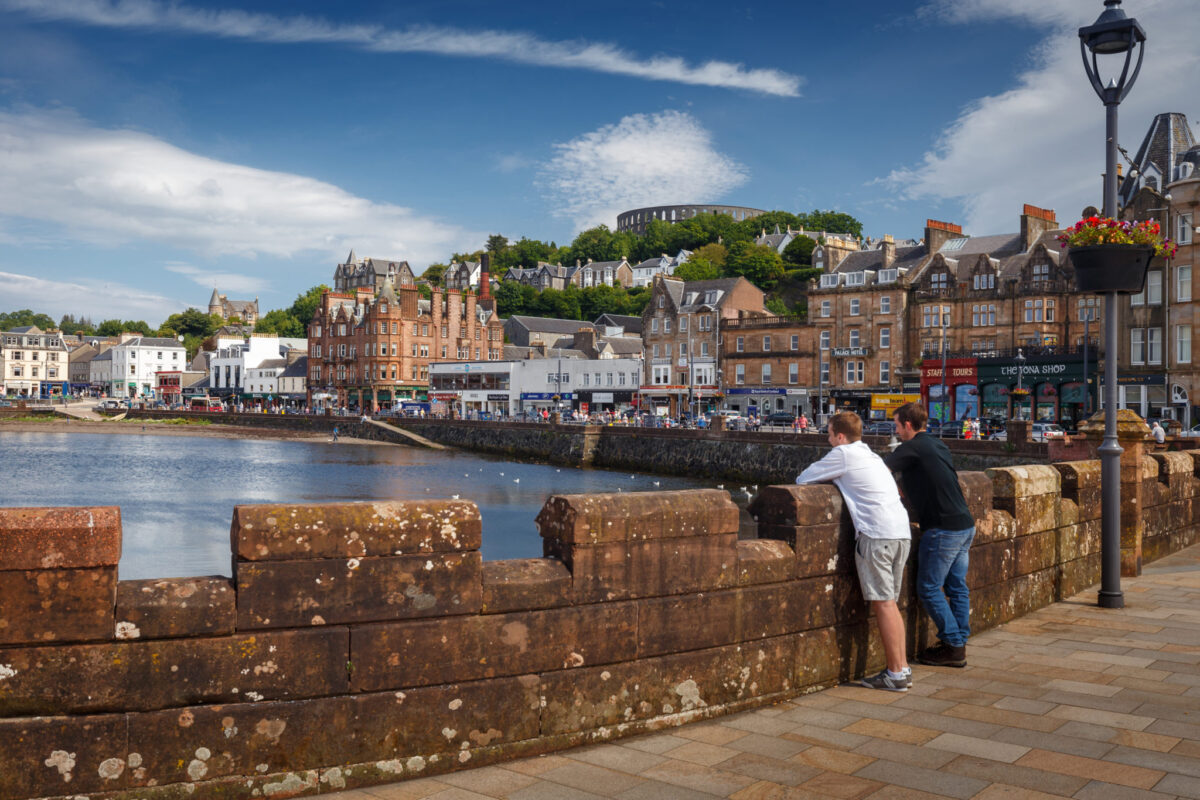
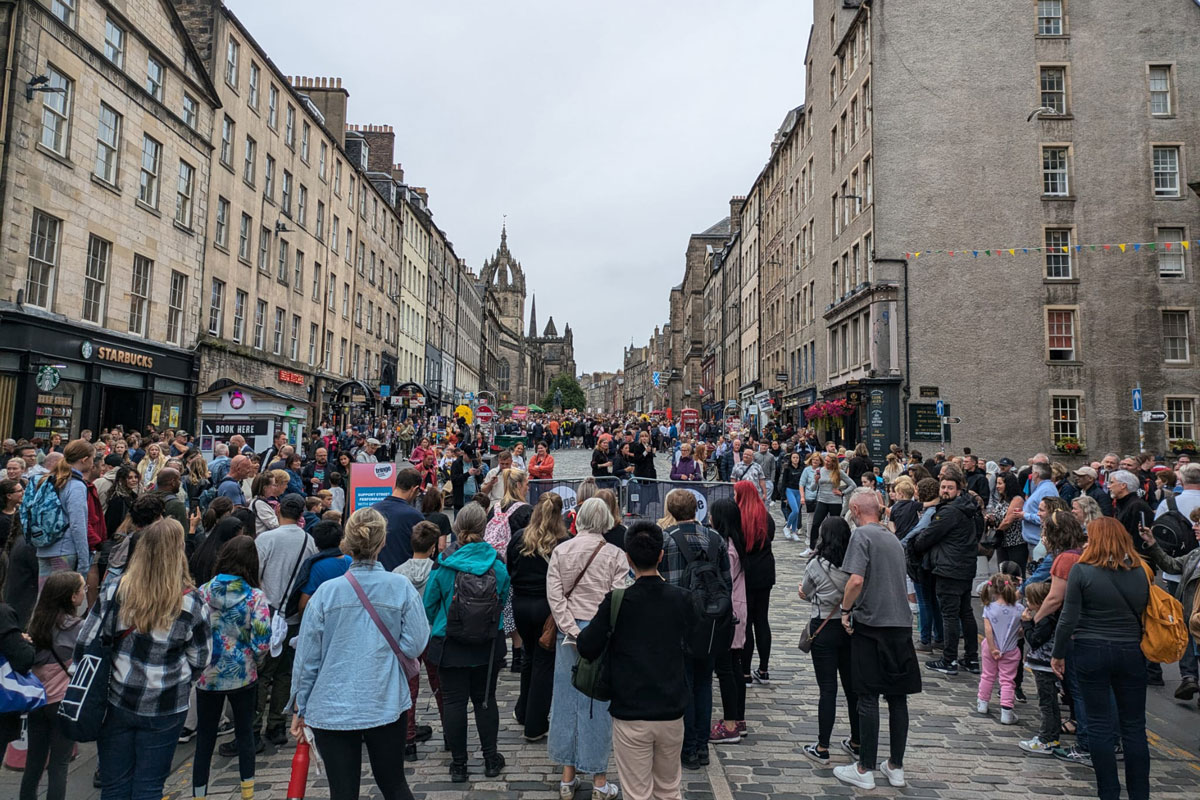
Tourist visits to Scotland – and their spend once they got here – reached new heights in 2024, showing the strongest year-on-year growth of all nations and regions of Great Britain.
Newly published figures from VisitScotland record that there were 4.4 million international trips to Scotland across the year, with 30.8 million nights and £3.9 billion spend.
This represents a 10% increase across trips and a 7% increase in spend against 2023. But at the same time, total nights decreased by 10%, so while the average spend per night increased by 19%, there was a small decrease of 2% in average spend per trip.
Reacting to this news, Scottish Tourism Alliance CEO Marc Crothall said: “These figures underline the strength of Scotland’s global appeal and the huge contribution international visitors make to our economy.
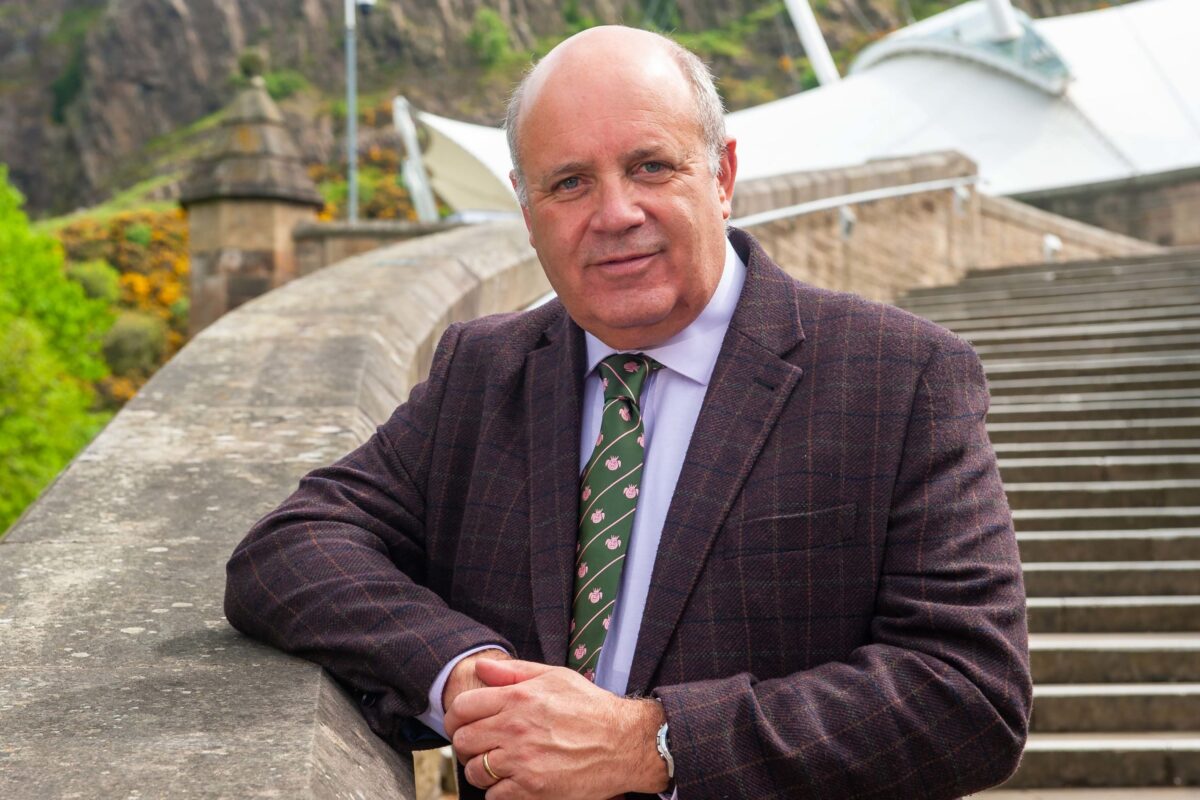
“A record year for overseas travel is a welcome boost for many tourism businesses who have worked tirelessly to rebuild after the pandemic and maintain Scotland’s reputation as a world-class destination.
“However, the topline figures tell only part of the story,” cautioned Crothall. “While international spend is rising, many businesses serving the domestic market continue to face enormous challenges.
“Rising operating costs, staff shortages, reduced profitability, regulatory burdens and declining domestic overnight stays and spend are all taking their toll. The reality is that too many businesses are still struggling to break even, and a busy summer alone won’t secure their future.”
Crothall took the opportunity to reiterate that tourism is neither a seasonal or peripheral industry in this country; it is in fact one of Scotland’s largest private sector employers, a major export earner and a critical lever for economic growth.


“To unlock the full potential of the sector and ensure commercial viability for many hundreds of businesses, we need policy stability, fairer taxation and long-term investment in infrastructure, skills and destination development,” he said.
“The proposed Visitor Levy is being introduced in a fragile economic climate, placing additional pressure on businesses already fighting to stay afloat. It is vital that it is implemented in full partnership with industry, in a way that is fair, simple and economically sound.”
The Scottish Tourism Alliance has led on a joint letter to Scottish Government, initially co-signed by 80 representatives from Scotland’s tourism and hospitality industry, sharing concerns on the introduction of the Visitor Levy in its current form.
“Today’s figures should be a wake-up call to all political parties, as we move closer to an election year in Scotland, not to take the sector’s performance at face value, but to act now, give guarantees to long term increased investment in the development and marketing of the sector, with supportive policy to secure a stronger and more sustainable future for Scottish tourism, creating real opportunities for long-term growth.”