
By Ruth Gladwell
With the requirement for two years of continuous service reducing to six months from 1 January 2027, more employees will become eligible to bring unfair dismissal claims. As a result, many of our clients are increasingly seeking guidance on how to structure and implement effective probation and performance management systems in their workplaces.
Apart from ‘maintaining’ employee relations, a well‑designed performance management system can transform a hospitality workplace from simply ‘getting by’ to consistently delivering standout guest experiences. In an industry defined by fast pace, seasonal fluctuations, and high customer expectations. Having a structured approach to developing people isn’t a ‘nice to have’ people management suggestion — it’s a competitive advantage.
This month, I thought providing a roadmap on implementing a system that is practical, fair, and culturally aligned with the sector would be of benefit to readers.
Start with Clear Standards and Values
Performance management only works when everyone understands what ‘good’ looks like. Begin by defining role‑specific expectations that reflect both operational needs and the warm, guest‑centred ethos typical of Scottish hospitality. For example, front‑of‑house staff may be measured on service speed, communication, and guest feedback, while kitchen teams may focus on consistency, hygiene, and teamwork.
These standards should be written in plain, accessible language and reinforced during onboarding, team briefings, and training sessions.
Introduce Regular, Structured Check‑Ins
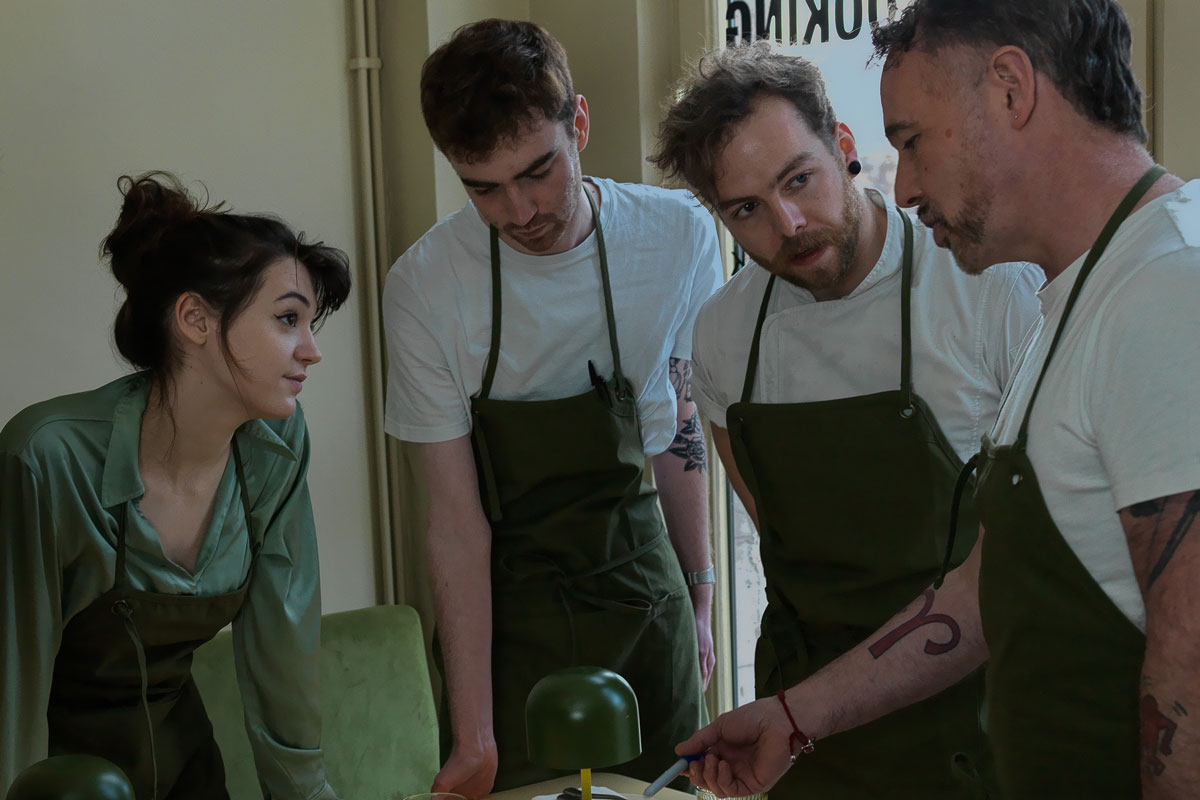
Annual reviews alone won’t cut it in your dynamic environments. Instead, implement short, monthly or bi‑monthly check‑ins between supervisors and staff. Increased frequency during the initial probationary period. These conversations should include: What’s going well? Any challenges or barriers? Any support or training required?
This approach builds trust, reduces surprises at formal reviews, and helps managers spot issues early — especially important in venues with high staff turnover.
Use Simple, Consistent Tools
A performance management system doesn’t need to be complicated. Many hospitality businesses succeed with a standardised and tuned review form for your organisation, including a log of training and achievements; a traffic‑light system for tracking progress; and guest feedback summaries.
The key is consistency. Everyone should use the same tools, and managers should be trained to apply them fairly and operating a HRMiS will really help simplify implementation.
Prioritise Development and Progression
Hospitality workers often leave roles because they can’t see a path forward. A strong performance system highlights opportunities for growth — whether that’s barista training, supervisory skills, or cross‑department experience. Linking performance outcomes to development plans shows employees that the organisation is invested in their future.
Celebrate Success and Reinforce Culture
Recognition is powerful. Celebrate achievements publicly, whether through ’employee of the month’, shout‑outs in team meetings, or small rewards. This boosts morale and reinforces the behaviours you want to see more of.

Final Thought
Implementing a performance management system isn’t about micromanaging — it’s about creating clarity, supporting staff, and elevating the guest experience. When done well, it strengthens culture, provides that balanced employee relations environment and hopefully will reduce turnover.