

By Dave Hunter
Is whisky still ‘too serious’?
It’s been one of the biggest challenges the industry has faced for years: how do you celebrate the heritage, complexity and craft of whisky without intimidating and alienating new drinkers?
For all that the walls seem to be breaking down – with brands actively targeting new drinkers through more contemporary packaging and marketing campaigns, as well as the industry’s embrace of cocktail serves – there’s still a feeling that the category can sometimes be unapproachable for newcomers.
Scott Morrison of Douglas Laing said that one of the biggest barriers to entry is “often perception – that whisky is ‘too strong’ or ‘too serious’”.
But there are steps both brand owners and venues can take to tackle this.
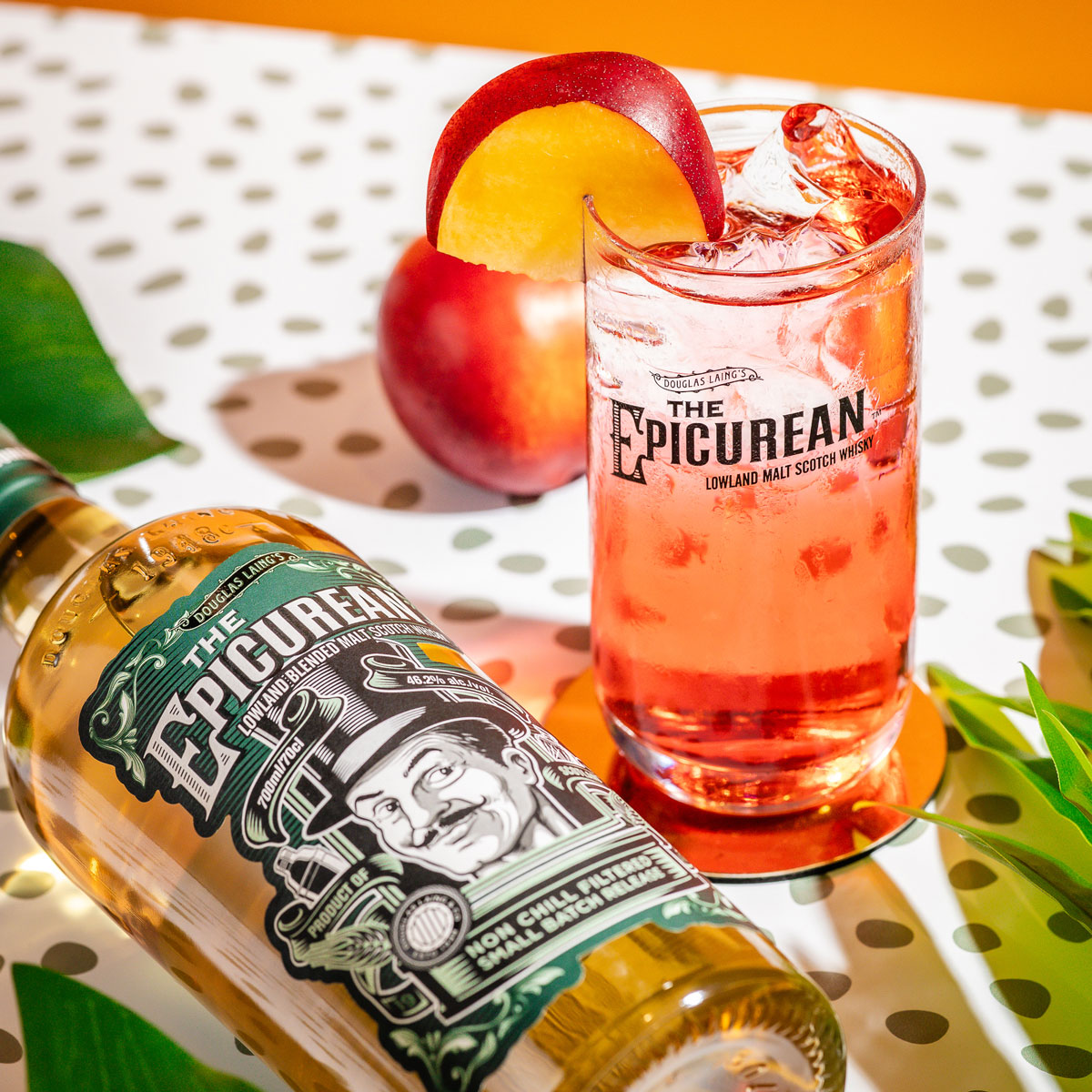
“Whisky companies can break this down by showcasing approachability, offering accessible flavour profiles, and investing in education and storytelling without jargon,” explained Morrison.
“Venues can help by encouraging discovery through tasting flights, cocktails, and staff recommendations that focus on flavour rather than complexity.”
Nick Gillett, managing director at Mangrove Global, agreed, saying some of the snobbery and older attitudes to whisky continue to play a part.
“There’s still a perception that whisky is a serious or intimidating drink that should only be enjoyed neat,” he said.
“For whisky companies, storytelling and innovation are key to moving beyond Scotch stereotypes and celebrating the diverse processes and flavours from around the world.

“For the on-trade, better staff training and descriptive, welcoming language go a long way. Malt-of-the-month-style promotions and conversational tastings can demystify the category and build confidence among new drinkers.”
Embracing a variety of different serves is one of the ways barriers can continue to be broken down, and brand owners reckoned whisky highballs and cocktails have already been instrumental in bringing new people into the category.
Michael Pendergast of Speciality Brands said the old attitude of never mixing whisky ‘is very much a perspective of a previous generation of whisky drinkers’ and that younger drinkers are far more open to a broader selection of serves.
“This shift does not signal a lack of respect for the spirit,” he said.
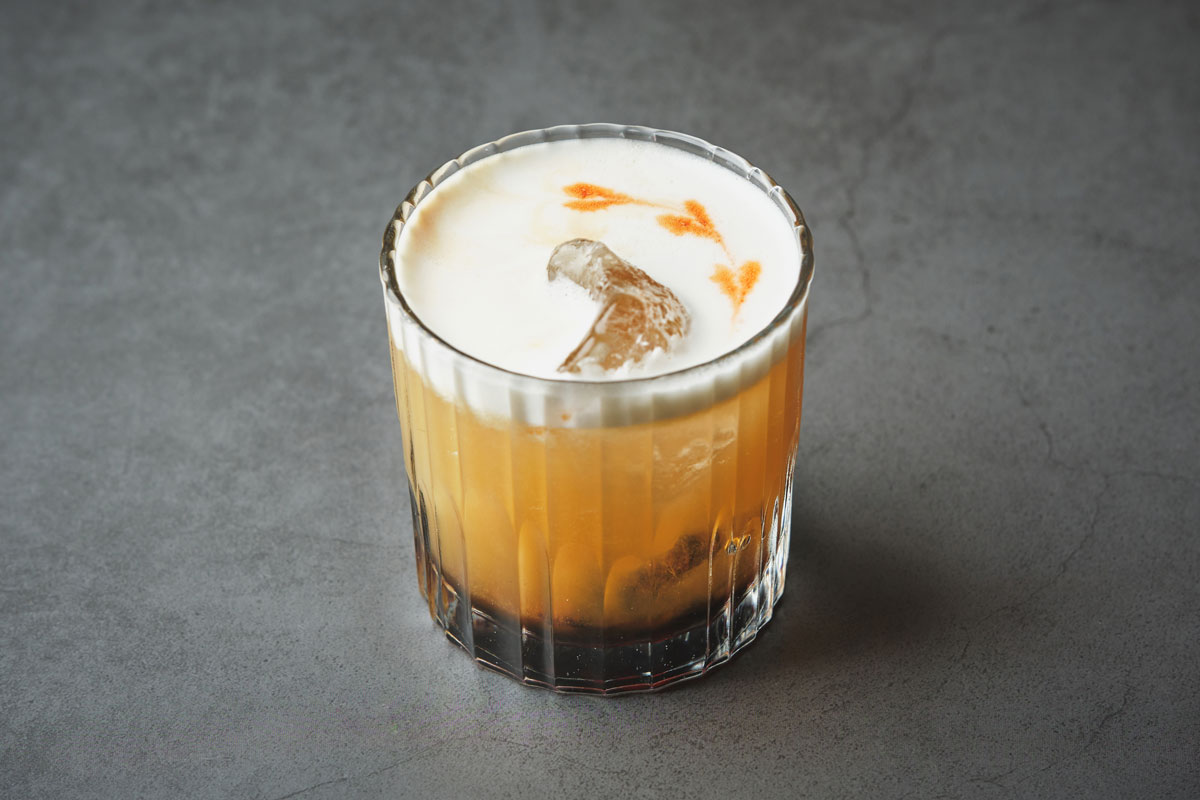
“Rather, it reflects a growing belief that quality whiskies can and should be enjoyed in whatever way brings the most satisfaction.
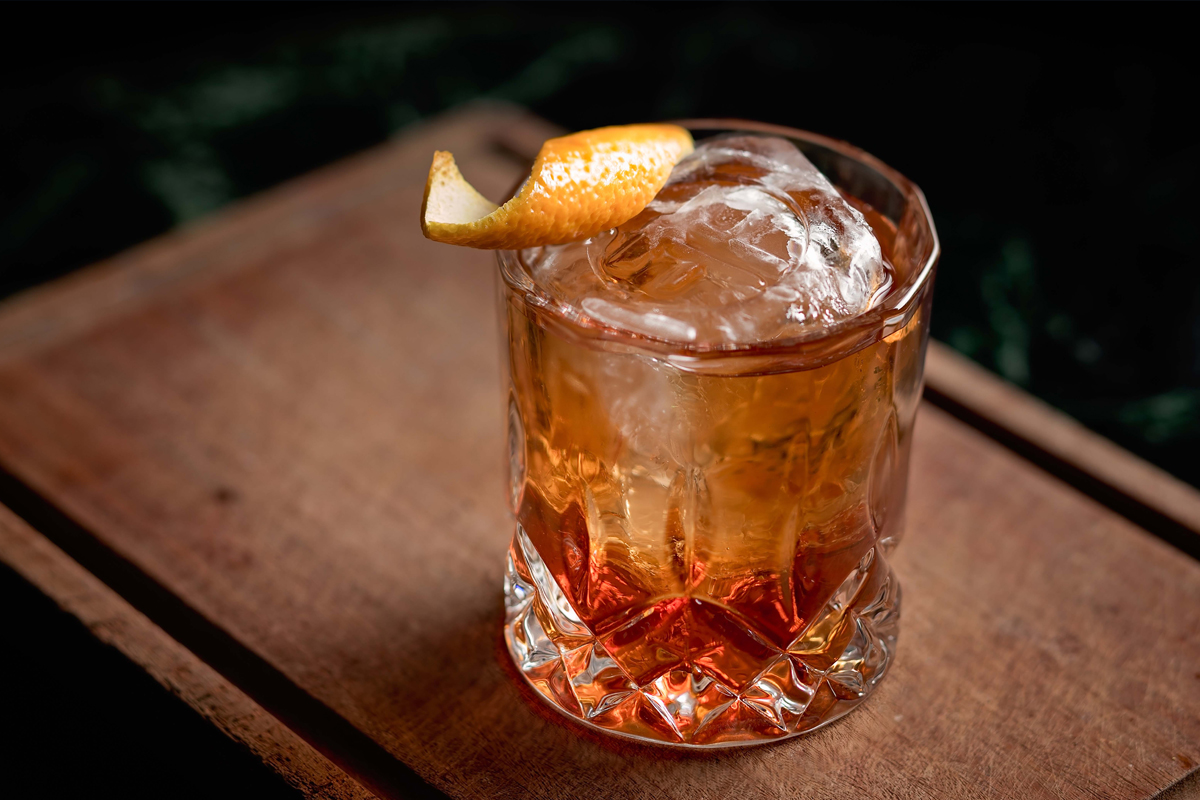
“If that means crafting a Manhattan with an exceptional whisky, vermouth, and bitters, then it’s seen as an indulgence worth embracing.”
Thinking creatively in terms of range can also help to break down barriers, reckoned Chris Maybin of Nc’nean Distillery.


“Offer something different that combines a great story with great liquid that will intrigue and inspire your customers,” said Maybin.
“Don’t just stock the same old names that everyone sees in the supermarket.
“You should keep a few recognisable brands to reassure the more conservative customers, but ensure anyone curious about learning about whisky looks at the back-bar or whisky list, and is keen to try the whiskies and ask questions.”
Morrison at Douglas Laing echoed that, saying a good whisky range should strike a balance ‘between classic names and discovery drams – including independent bottlings and cask-finished expressions’.
“Don’t just list them; support them with staff training and suggest serves (whether neat, with food pairings, or in cocktails) that bring them to life for your customers,” said Morrison.
And while there are those that will turn to a dram – or a whisky cocktail – year-round, the coming weeks are usually big business for whisky.
Mariella Romano of Isle of Arran Distillers said the colder months ‘naturally lend themselves to deeper, richer flavours so it’s time for comforting serves, seasonal cocktails, and whiskies with warm flavour profiles’.
She added that venues should take the opportunity, where possible, to collaborate with brands on ‘tastings, staff trainings and events which not only can attract new customers but also engage with regulars, empower staff with knowledge and provide access to a diverse range of products’.

“Maintaining a core selection of classic whiskies keeps loyal guests happy, while rotating in new or limited edition bottlings are great conversation starters and can drive footfall,” said Romano.